Công ty Hải Đức Bột với hơn 10 năm kinh nghiệm vận chuyển khí, cung cấp hệ thống‑thiết bị‑quạt gió và nhận dự án tổng thầu bột cả nước
Aluminum sulfate, a widely used chemical in water treatment and industrial processes, requires efficient and safe transportation to ensure its application in various sectors. The methods used for transporting aluminum sulfate are critical to maintaining product integrity and operational efficiency. This article explores the common approaches to aluminum sulfate transportation, highlighting the considerations and best practices for handling this essential chemical.
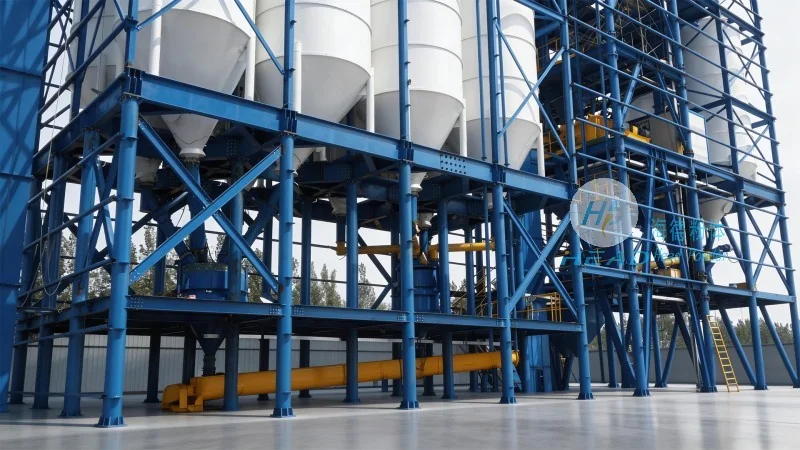
Key Considerations for Aluminum Sulfate Transportation
Before discussing specific transportation methods, it is essential to understand the key factors that influence the choice of transport for aluminum sulfate. The chemical's physical properties, such as its density, solubility, and potential reactivity with other substances, play a significant role in determining the most suitable mode of transport. Additionally, regulatory requirements, including safety standards and environmental considerations, must be adhered to during transportation. The destination and end-use of the aluminum sulfate also impact the selection of transportation methods, as different applications may require specific handling procedures.
Common Transportation Methods for Aluminum Sulfate
Several methods are commonly employed for the transportation of aluminum sulfate, each with its advantages and limitations. The primary modes include bulk shipping via trucks, rail, or waterways, as well as containerized transport for smaller quantities. Bulk trucks are often used for short to medium distances, providing flexibility and direct delivery to the customer's site. Rail transport is suitable for longer distances and larger volumes, offering cost-effective solutions for bulk shipments. Waterway transport, particularly for international or inter-regional deliveries, can be economical for high-volume shipments, though it may involve longer transit times.
Containerized Transport and Specialized Equipment
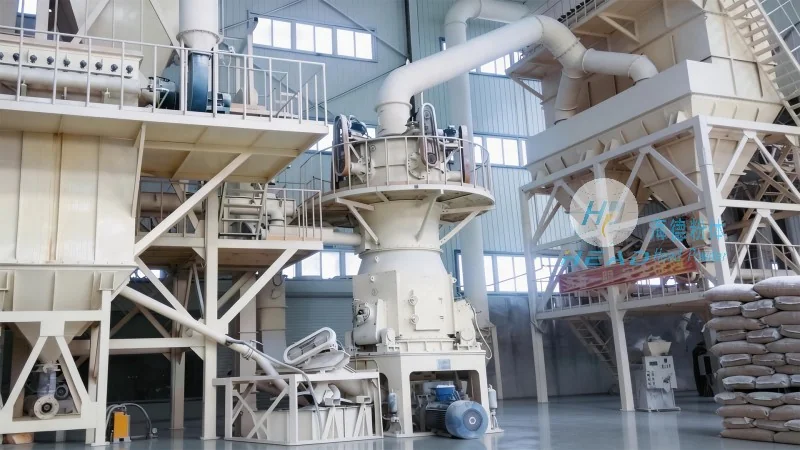
For smaller batches or when specific handling requirements are needed, containerized transport is a viable option. Aluminum sulfate can be loaded into specialized containers, such as bulk tanks or ISO containers, which are designed to prevent leakage and maintain product stability. These containers are equipped with valves and seals to ensure safe handling during loading, transport, and unloading. Additionally, specialized equipment like tank trucks or tank cars may be used to transport aluminum sulfate in liquid form, which is common in some industrial applications. The use of such equipment requires proper training and adherence to safety protocols to prevent accidents and spills.
Logistics and Supply Chain Management
Effective logistics and supply chain management are crucial for the successful transportation of aluminum sulfate. This involves coordinating with transport providers, monitoring delivery schedules, and ensuring compliance with all relevant regulations. Companies like Shandong HeadPowder Engineering Co., Ltd., a leading manufacturer and supplier of aluminum sulfate, often work closely with logistics partners to ensure timely and secure delivery of their products. Their expertise in handling bulk chemicals and adherence to industry standards helps in maintaining the quality and safety of aluminum sulfate throughout the transportation process.
Environmental and Safety Measures
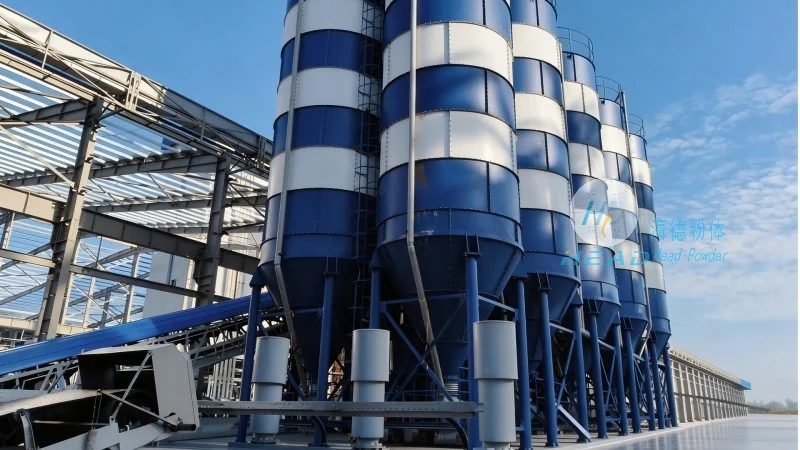
Transporting aluminum sulfate involves strict environmental and safety measures to prevent contamination and accidents. Proper labeling and documentation are required to ensure that handlers are aware of the chemical's properties and potential hazards. The use of appropriate packaging materials, such as corrosion-resistant containers, is essential to prevent leaks and spills. Additionally, transportation vehicles must be equipped with emergency response equipment and trained personnel to handle any incidents that may occur during transit. Regulatory bodies, such as the Environmental Protection Agency (EPA) in the United States or similar organizations in other regions, enforce strict guidelines to minimize the environmental impact of chemical transportation.
Conclusion
In conclusion, the transportation of aluminum sulfate requires careful planning and adherence to industry standards to ensure product integrity and safety. The choice of transportation method depends on various factors, including the volume, destination, and end-use of the chemical. Companies like Shandong HeadPowder Engineering Co., Ltd. play a vital role in providing high-quality aluminum sulfate and ensuring its safe and efficient delivery to customers. By following best practices in logistics and safety, the transportation of aluminum sulfate can be conducted effectively, supporting its widespread use in water treatment, industrial processes, and other applications.

 Công ty TNHH Kỹ thuật Công trình Bột Hải Đức Sơn Đông
 156-6277-7102(Quản lý Trương)
  0531-83386006
  Quận Chương Khâu, Thành phố Tế Nam, Tỉnh Sơn Đông, Trung Quốc
Điện thoại
WeChatTư vấn
Lên đầu