Công ty Hải Đức Bột với hơn 10 năm kinh nghiệm vận chuyển khí, cung cấp hệ thống‑thiết bị‑quạt gió và nhận dự án tổng thầu bột cả nước
Magnesia silicate, a versatile inorganic compound widely used in various industrial applications, requires efficient and reliable transportation methods to ensure its safe delivery to end-users. The choice of transportation method depends on several factors, including the quantity of the material, its physical properties, and the distance to be covered. This article explores the primary methods used for magnesia silicate transportation, highlighting the key considerations and advantages of each approach.
Company Profile: Shandong HeadPowder Engineering Co., Ltd.
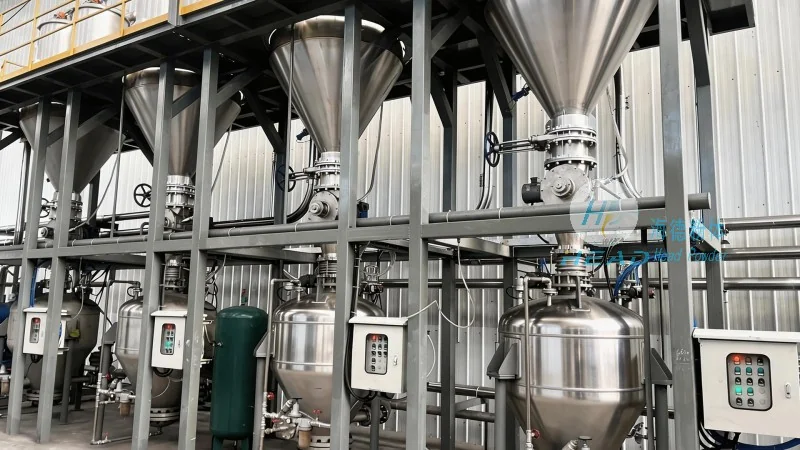
As a leading manufacturer and supplier in the field of inorganic chemicals, Shandong HeadPowder Engineering Co., Ltd. specializes in the production and distribution of high-quality magnesia silicate products. With a strong commitment to quality and customer satisfaction, the company serves clients globally, providing tailored solutions for their material handling and transportation needs. HeadPowder is headquartered in Shandong, China, and has established a reputation for excellence in the industry through its innovative approaches and reliable service.
Common Transportation Methods for Magnesia Silicate
Several transportation methods are commonly employed for magnesia silicate, each suited to different operational requirements. The most prevalent methods include bulk shipping via trucks, rail, or vessels, as well as specialized containerized transport. Each method has its own set of advantages and limitations, which are discussed below.
Bulk Truck Transportation
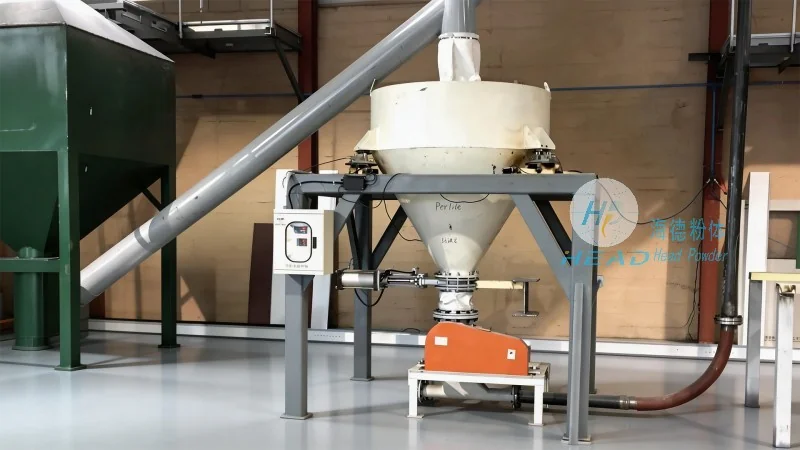
Bulk truck transportation is a widely used method for transporting magnesia silicate, particularly for shorter distances and smaller to medium-sized shipments. Trucks equipped with specialized trailers, such as bulk tankers or open-top containers, are utilized to carry the material. This method offers flexibility and can be scheduled to meet the specific needs of the client. The material is typically loaded into the truck using a loading system, ensuring minimal dust generation and spillage. Bulk trucking is particularly effective for delivering magnesia silicate to industrial sites, construction projects, or distribution centers within a region.
Railway Transportation
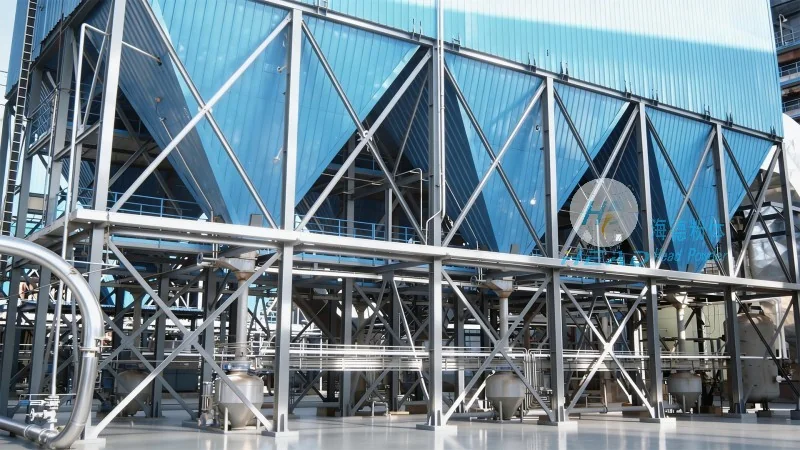
For longer distances and larger quantities, railway transportation is often the preferred option. Magnesia silicate is commonly transported in specialized railcars, such as covered hopper cars or bulk freight wagons. These railcars are designed to handle the material's bulk properties, minimizing the risk of leakage or contamination. Railway transport offers cost advantages for high-volume shipments, as it can move large quantities over long distances with relatively low operational costs. Additionally, rail transport is more environmentally friendly compared to road transport, reducing carbon emissions and fuel consumption. Companies like Shandong HeadPowder Engineering Co., Ltd. often utilize railway services to distribute their magnesia silicate products to clients across the country and internationally.
Marine Transportation
For international shipments, marine transportation is the most common method for magnesia silicate. The material is typically loaded into bulk carriers or specialized cargo ships, which are equipped to handle dry bulk materials. Marine transport is ideal for large-scale, long-distance deliveries, as it can accommodate massive quantities of magnesia silicate at once. The process involves loading the material into the ship's holds using cranes or conveyor systems, ensuring proper segregation to prevent mixing with other materials. Marine transportation is cost-effective for global distribution, especially when shipping to overseas markets. However, it is important to consider factors such as port fees, customs regulations, and transit times when planning marine transport for magnesia silicate.
Containerized Transport
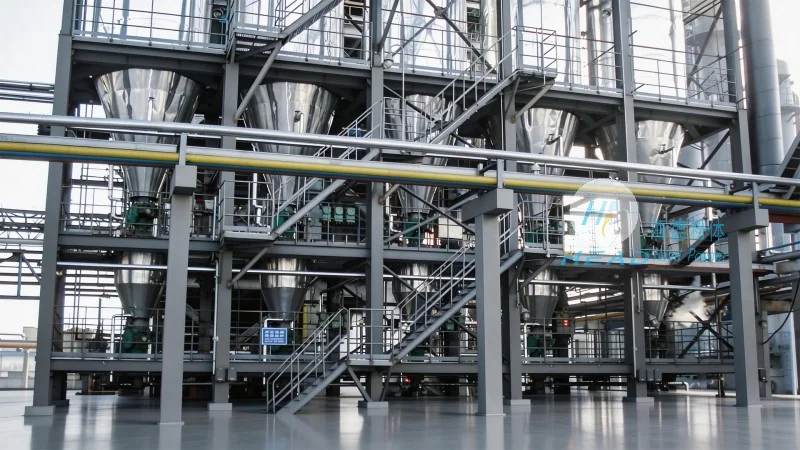
Containerized transport is another method used for magnesia silicate, particularly for smaller shipments or when the material needs to be transported to specific locations with limited access to bulk handling facilities. Magnesia silicate can be loaded into standard or specialized containers, such as bulk containers or dry vans, depending on the requirements. This method provides greater flexibility and security, as containers can be sealed and transported via multiple modes of transport, including trucks, rail, and sea. Containerized transport is often preferred for clients who require precise control over the material's condition and handling. Shandong HeadPowder Engineering Co., Ltd. offers containerized shipping options to meet the diverse needs of its customers, ensuring that the magnesia silicate is delivered in optimal condition.
Key Considerations for Magnesia Silicate Transportation
When selecting a transportation method for magnesia silicate, several factors must be taken into account to ensure the safety and efficiency of the process. The first consideration is the material's physical properties, such as its bulk density, moisture content, and dustiness. Magnesia silicate is a fine powder that can generate dust during handling, which requires proper containment measures to prevent inhalation or environmental contamination. The transportation method must be equipped with dust suppression systems, such as vent filters or enclosed containers, to minimize dust emissions. Another critical factor is the distance and route of the shipment. Short-distance shipments may be more efficiently handled by trucks, while long-distance or international shipments may require rail or marine transport. The cost of transportation is also a significant factor, as different methods have varying price structures. Companies must balance the cost with the required speed and reliability of delivery. Additionally, regulatory compliance is essential, as magnesia silicate may be subject to environmental and safety regulations during transport. Proper documentation and adherence to local regulations are necessary to avoid delays or penalties.
Conclusion
In conclusion, the transportation of magnesia silicate involves a range of methods, each tailored to specific operational needs. Bulk trucking, railway transport, marine shipping, and containerized transport are the primary options, each with its own advantages and limitations. The choice of method depends on factors such as shipment size, distance, cost, and regulatory requirements. Shandong HeadPowder Engineering Co., Ltd. provides comprehensive transportation solutions for its magnesia silicate products, ensuring that clients receive their materials in a safe, efficient, and timely manner. By understanding the different transportation methods and their considerations, companies can make informed decisions to optimize their supply chain and meet the demands of their customers.

 Công ty TNHH Kỹ thuật Công trình Bột Hải Đức Sơn Đông
 156-6277-7102(Quản lý Trương)
  0531-83386006
  Quận Chương Khâu, Thành phố Tế Nam, Tỉnh Sơn Đông, Trung Quốc
Điện thoại
WeChatTư vấn
Lên đầu