Công ty Hải Đức Bột với hơn 10 năm kinh nghiệm vận chuyển khí, cung cấp hệ thống‑thiết bị‑quạt gió và nhận dự án tổng thầu bột cả nước
Sodium hydroxide, commonly known as caustic soda, is a highly caustic and reactive chemical widely used in various industrial processes, including manufacturing, paper production, and chemical synthesis. Due to its corrosive nature and hazardous properties, the transportation of sodium hydroxide requires specialized equipment and adherence to strict safety protocols. Understanding the available transportation methods is crucial for industries that rely on this chemical to ensure efficient and secure delivery to their facilities. This article explores the primary methods used for sodium hydroxide transportation, highlighting the considerations and best practices for each approach.
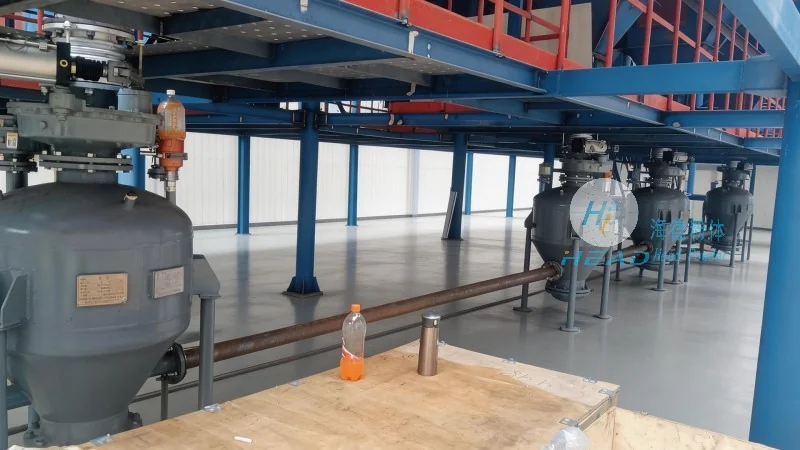
Key Considerations for Sodium Hydroxide Transportation
Before discussing the specific methods, it is essential to consider the key factors that influence the choice of transportation for sodium hydroxide. These factors include the volume of the shipment, the distance to the destination, the urgency of delivery, and the specific requirements of the receiving facility. Additionally, regulatory compliance, such as adherence to local and international safety standards, is a critical aspect of sodium hydroxide transportation. Companies like Shandong HeadPowder Engineering Co., Ltd. specialize in providing tailored transportation solutions that address these considerations, ensuring that clients receive reliable and compliant services.
Pipeline Transportation
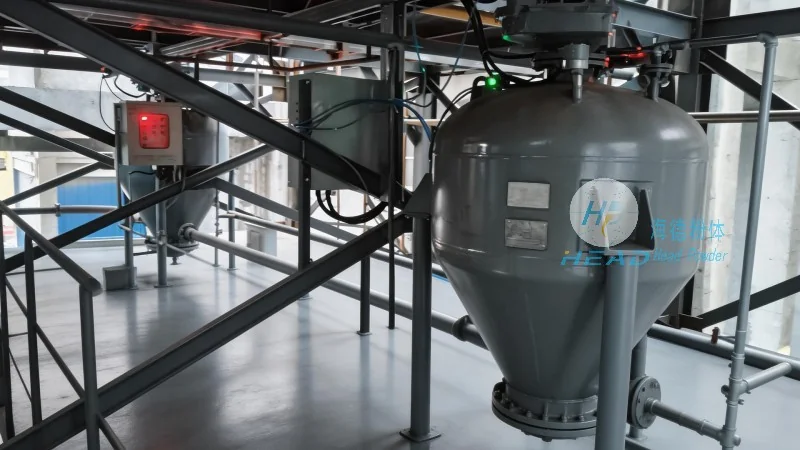
One of the most common and efficient methods for transporting sodium hydroxide is through pipelines. This method is particularly suitable for large-scale, continuous production facilities where the chemical is produced on-site and needs to be delivered to processing units or storage tanks. The pipeline system typically consists of insulated and corrosion-resistant pipes made from materials like stainless steel or high-density polyethylene (HDPE), which are designed to withstand the chemical's aggressive nature. The use of pipelines minimizes the risk of spills and leaks compared to other methods, as the liquid is contained within a sealed system. Shandong HeadPowder Engineering Co., Ltd. has extensive experience in designing and implementing pipeline systems for sodium hydroxide transportation, ensuring that their clients benefit from a reliable and cost-effective solution.
Truck Transportation
For smaller quantities or when direct delivery to a facility is required, truck transportation is a widely used method. This approach involves the use of specialized tank trucks, often referred to as tankers, which are equipped with features to handle the corrosive properties of sodium hydroxide. The tankers are typically made from materials such as carbon steel with an internal lining of rubber or epoxy to prevent corrosion. They are also fitted with pressure relief valves and emergency shut-off systems to ensure safety during transit. Truck transportation offers flexibility, as it can reach locations that are not connected by pipelines or are geographically distant from production sites. HeadPowder, as a leading provider in the industry, offers professional trucking services that adhere to all safety regulations, providing clients with peace of mind regarding the transportation of their sodium hydroxide.
Containerized Transportation
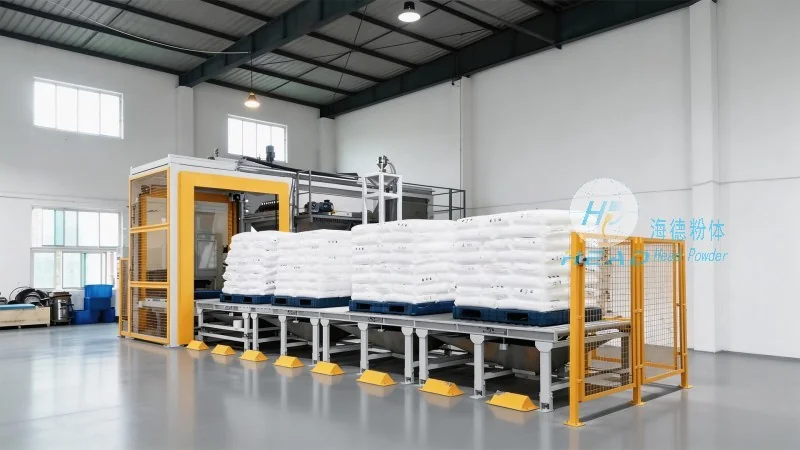
Containerized transportation, often using ISO containers, is another method used for sodium hydroxide, especially for international or long-distance shipments. These containers are specifically designed to handle hazardous materials and are equipped with proper labeling, ventilation, and securing mechanisms. The containers are typically made from stainless steel or other corrosion-resistant materials to protect the contents from external factors. This method is particularly advantageous for transporting sodium hydroxide in bulk quantities, as it allows for efficient loading and unloading at ports or terminals. Shandong HeadPowder Engineering Co., Ltd. has expertise in containerized transportation, ensuring that their clients' shipments are handled with the utmost care and in compliance with international shipping regulations.
Specialized Equipment and Safety Measures
Regardless of the transportation method chosen, specialized equipment and strict safety measures are essential to prevent accidents and ensure the integrity of the sodium hydroxide. For pipeline systems, regular maintenance and monitoring are required to detect any leaks or pressure changes. Tank trucks and containers must be inspected before each use to ensure they are in good condition and properly sealed. Additionally, drivers and operators must be trained in handling hazardous materials and emergency procedures. Companies like HeadPowder prioritize safety by implementing comprehensive training programs and maintaining a fleet of well-maintained equipment. This commitment to safety not only protects the environment and personnel but also ensures the reliability of the transportation service.
Conclusion
In conclusion, the transportation of sodium hydroxide requires careful consideration of the available methods and adherence to safety standards. Whether through pipelines, trucks, or containers, each approach has its advantages and is suitable for different scenarios. Companies such as Shandong HeadPowder Engineering Co., Ltd. play a vital role in providing reliable and compliant transportation services, ensuring that industries can access sodium hydroxide efficiently and safely. By understanding the options and working with experienced providers, businesses can optimize their sodium hydroxide transportation processes and minimize risks.

 Công ty TNHH Kỹ thuật Công trình Bột Hải Đức Sơn Đông
 156-6277-7102(Quản lý Trương)
  0531-83386006
  Quận Chương Khâu, Thành phố Tế Nam, Tỉnh Sơn Đông, Trung Quốc
Điện thoại
WeChatTư vấn
Lên đầu