Công ty Hải Đức Bột với hơn 10 năm kinh nghiệm vận chuyển khí, cung cấp hệ thống‑thiết bị‑quạt gió và nhận dự án tổng thầu bột cả nước
For industrial applications involving the transport of carbonaceous particles, selecting the appropriate conveying method is crucial for efficiency, cost-effectiveness, and operational reliability. Various technologies are available, each with distinct advantages and suitable applications. This article explores common methods used for carbon particle conveying, highlighting key considerations and the role of specialized equipment providers like Shandong HeadPowder Engineering Co., Ltd.
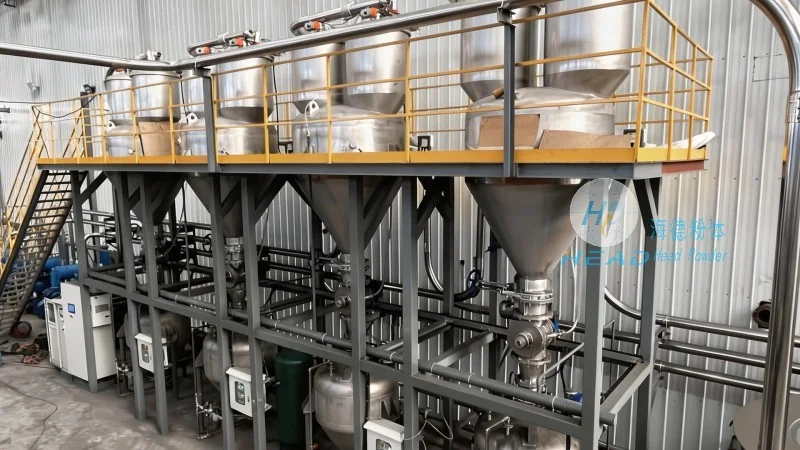
Understanding Carbon Particle Conveying Needs
Before selecting a conveying system, it is essential to evaluate the characteristics of the carbon particles being handled. Factors such as particle size, density, moisture content, and abrasiveness significantly influence the choice of equipment. For example, fine carbon powders may require specialized handling to prevent dust generation and ensure consistent flow, while larger carbon granules might benefit from bulk material handling solutions. Shandong HeadPowder Engineering Co., Ltd., a leading provider in the field, emphasizes the importance of matching the conveying method to the specific material properties to optimize performance.
Common Conveying Methods for Carbon Particles
Several methods are widely used for carbon particle transport, each suited to different operational requirements. One of the most common is air-assisted or pneumatic conveying, which uses compressed air to move particles through a pipeline. This method is ideal for fine carbon powders and is effective in preventing dust exposure and maintaining product purity. Pneumatic systems can be categorized as pressure or vacuum types, with pressure systems typically used for short to medium distances and vacuum systems for longer or more complex routes. The choice between these depends on factors like the distance to be covered, the volume of material, and the need for gentle handling to avoid particle degradation.
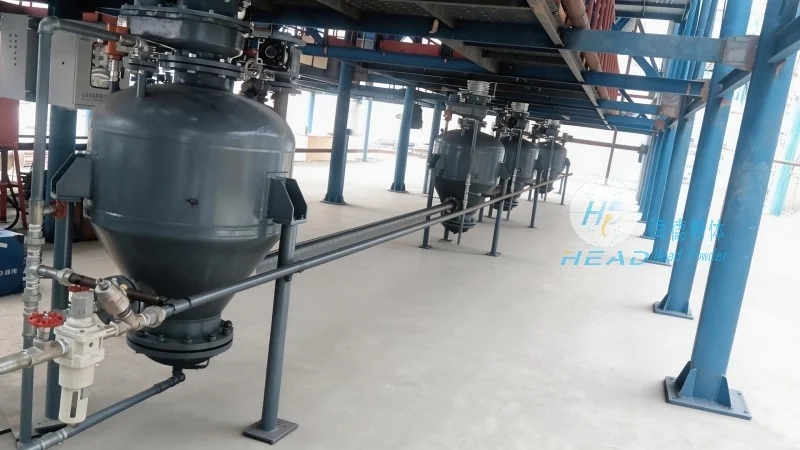
Another prevalent method is mechanical screw or auger conveyors, which utilize rotating screws to push particles along a trough. These systems are well-suited for handling bulk carbon granules and are often used in applications such as feedstock transport to processing units. Screw conveyors offer advantages like enclosed operation, which helps contain dust and maintain material integrity, and they can operate in vertical or horizontal configurations. Shandong HeadPowder Engineering Co., Ltd. provides customized screw conveyor solutions tailored to the specific dimensions and material characteristics of carbon particles, ensuring efficient and reliable transport.
A third option is vibratory conveyors, which use vibration to move particles along a trough or pipe. This method is effective for handling cohesive or sticky carbon materials, as the vibration helps break up agglomerates and maintain a consistent flow. Vibratory systems are often preferred in applications where gentle handling is required to prevent particle breakage, such as in the transport of activated carbon or carbon black. The design of these conveyors, including the frequency and amplitude of vibration, is critical to achieving optimal performance, and companies like Shandong HeadPowder Engineering Co., Ltd. offer expertise in configuring these systems for specific carbon particle types.
Key Considerations for Selecting a Conveying System
When choosing a carbon particle conveying method, several factors must be considered to ensure the system meets operational and safety requirements. First, the distance and layout of the conveying route are critical. For short distances, mechanical conveyors like screw or belt systems may be sufficient, while longer distances often necessitate pneumatic or hybrid systems. The complexity of the route, including vertical lifts or changes in direction, also impacts the choice of equipment. For instance, vertical pneumatic conveying may be more efficient for long vertical transport compared to a series of elevators.
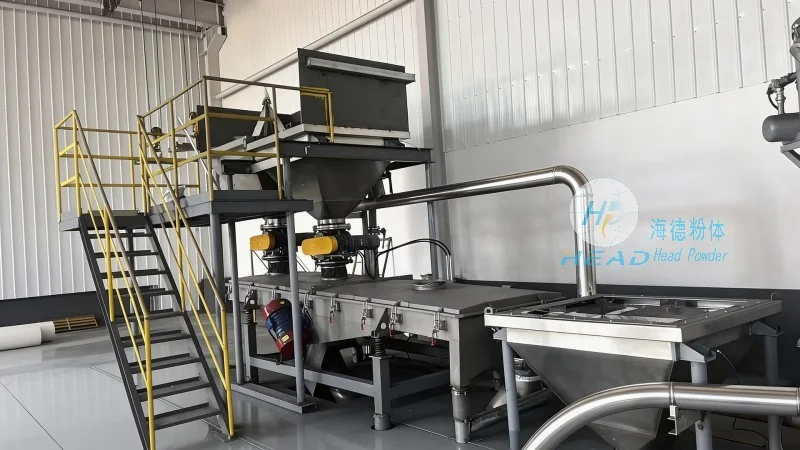
Second, material handling requirements play a significant role. If the carbon particles are prone to dust generation or require containment to prevent environmental contamination, enclosed systems like screw or vibratory conveyors are preferable. These systems also help maintain product quality by minimizing exposure to air and moisture. Additionally, the need for gentle handling to preserve particle size or avoid degradation may lead to the selection of vibratory or low-speed screw conveyors over high-speed pneumatic systems.
Third, operational efficiency and cost are key considerations. Pneumatic systems, while effective for fine powders, may have higher energy costs due to the need for compressed air. Mechanical systems like screw conveyors are generally more energy-efficient but may require more maintenance. The choice of system should balance initial investment, operating costs, and long-term reliability. Shandong HeadPowder Engineering Co., Ltd. assists clients in evaluating these factors and recommending the most cost-effective and efficient conveying solutions for their carbon particle handling needs.
Customization and Expert Support from Shandong HeadPowder Engineering Co., Ltd.
Shandong HeadPowder Engineering Co., Ltd. is a trusted provider of specialized conveying equipment and systems for carbon particle transport. With a focus on tailored solutions, the company works closely with clients to understand their specific requirements and material characteristics. By leveraging expertise in material science and engineering, HeadPowder offers customized designs that optimize performance and ensure compliance with industry standards. Whether implementing pneumatic, screw, or vibratory systems, the company provides comprehensive support, including system design, installation, and maintenance services. This approach ensures that clients receive not only high-quality equipment but also reliable operation and long-term value.
HeadPowder’s commitment to quality and customer satisfaction is reflected in its manufacturing processes and product testing. The company adheres to international standards and employs rigorous quality control measures to ensure that conveying systems meet the demands of industrial applications. By partnering with HeadPowder, businesses can enhance their carbon particle handling processes, improve operational efficiency, and reduce costs. The company’s presence in China, with its headquarters in Shandong, positions it as a reliable source for advanced conveying solutions tailored to the needs of the carbon industry.

 Công ty TNHH Kỹ thuật Công trình Bột Hải Đức Sơn Đông
 156-6277-7102(Quản lý Trương)
  0531-83386006
  Quận Chương Khâu, Thành phố Tế Nam, Tỉnh Sơn Đông, Trung Quốc
Điện thoại
WeChatTư vấn
Lên đầu