Công ty Hải Đức Bột với hơn 10 năm kinh nghiệm vận chuyển khí, cung cấp hệ thống‑thiết bị‑quạt gió và nhận dự án tổng thầu bột cả nước
When it comes to transporting fibrous materials, selecting the right conveying method is crucial for efficiency, cost-effectiveness, and operational safety. Various techniques are available, each with its own set of advantages and limitations. This article explores different fiber conveying methods and highlights the key benefits and features of pneumatic fiber conveying, a popular choice in many industrial applications.
Fiber Conveying Methods: Traditional vs. Modern Approaches
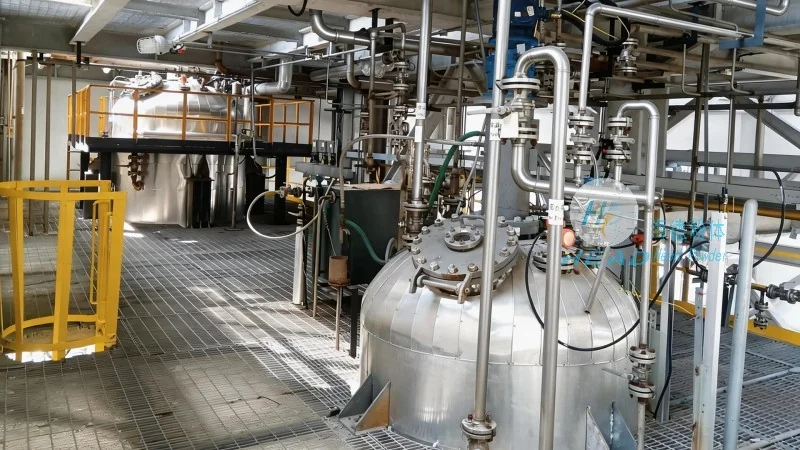
Traditional fiber conveying methods often rely on mechanical systems such as belt conveyors, screw conveyors, or bucket elevators. These systems are effective for handling bulk materials but may face challenges when dealing with fibrous materials. For instance, belt conveyors can struggle with material buildup and require regular maintenance to prevent blockages. Screw conveyors, while versatile, may cause fiber matting or degradation due to friction and heat. Bucket elevators, though capable of vertical transport, can be noisy and require significant power input.
Pneumatic Fiber Conveying: How It Works
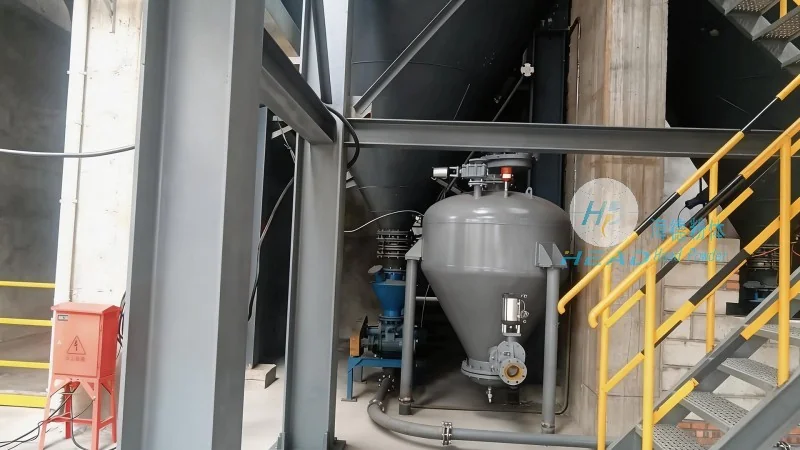
Pneumatic fiber conveying, also known as air conveying, uses compressed air to transport fibrous materials through a pipeline system. The process involves feeding the fibrous material into a hopper, where it is then drawn into the conveying line by the pressure differential created by the air flow. The fibrous material is carried along the pipeline as a dilute phase suspension, minimizing the risk of material degradation and blockages. This method is particularly suitable for materials that are lightweight, dusty, or prone to clumping.
Advantages of Pneumatic Fiber Conveying
One of the primary advantages of pneumatic fiber conveying is its high efficiency and speed. The system can transport fibrous materials over long distances with minimal loss, making it ideal for large-scale industrial operations. Additionally, pneumatic conveying is highly flexible, allowing for changes in the conveying route without major modifications to the system. This adaptability is crucial for facilities that need to reconfigure their material handling processes over time.
Another key benefit is the reduced risk of material contamination and degradation. Unlike mechanical systems that may generate heat or friction, pneumatic conveying uses air pressure to move materials, preserving the quality of the fibrous product. This is especially important for sensitive materials such as wood fibers, paper pulp, or textile fibers, where maintaining the material's integrity is essential for downstream processing.
Key Features of Pneumatic Fiber Conveying Systems
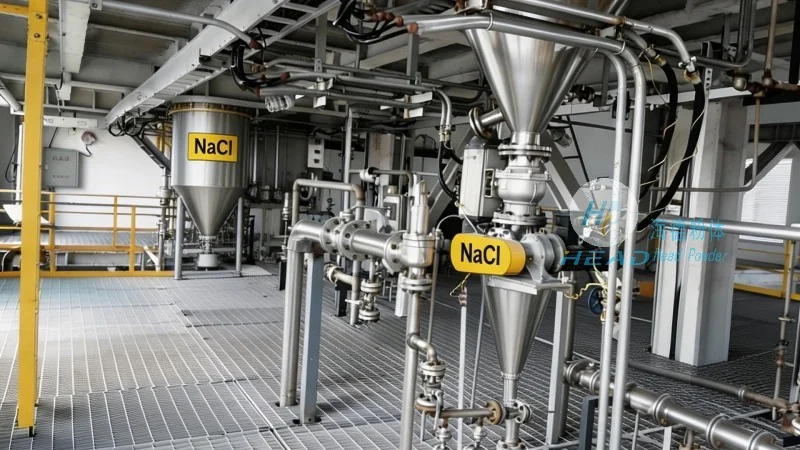
Modern pneumatic fiber conveying systems are equipped with several features that enhance their performance and reliability. These include advanced control systems that regulate air pressure and flow rates, ensuring consistent material transport. The systems also incorporate filtration and separation equipment to prevent dust accumulation and maintain air quality. Additionally, many systems are designed with easy access points for maintenance, reducing downtime and operational costs.
Applications of Pneumatic Fiber Conveying
Pneumatic fiber conveying is widely used in various industries, including the paper and pulp industry, textile manufacturing, and food processing. In the paper industry, it is used to transport wood chips, pulp, and recycled fibers from storage to processing facilities. In textile manufacturing, it helps move raw fibers and finished products between different stages of production. The system's ability to handle fine, fibrous materials makes it a preferred choice for industries where material purity and consistency are critical.
Conclusion
While traditional mechanical conveying methods have their place in certain applications, pneumatic fiber conveying offers significant advantages in terms of efficiency, flexibility, and material preservation. For industries dealing with fibrous materials, investing in a pneumatic conveying system can lead to improved operational performance and cost savings in the long run. As technology continues to advance, pneumatic fiber conveying systems are becoming more sophisticated, further enhancing their capabilities and suitability for modern industrial needs.

 Công ty TNHH Kỹ thuật Công trình Bột Hải Đức Sơn Đông
 156-6277-7102(Quản lý Trương)
  0531-83386006
  Quận Chương Khâu, Thành phố Tế Nam, Tỉnh Sơn Đông, Trung Quốc
Điện thoại
WeChatTư vấn
Lên đầu