Công ty Hải Đức Bột với hơn 10 năm kinh nghiệm vận chuyển khí, cung cấp hệ thống‑thiết bị‑quạt gió và nhận dự án tổng thầu bột cả nước
When it comes to transporting lime, a common chemical used in various industrial applications, selecting the right conveying method is crucial for efficiency, safety, and cost-effectiveness. Among the available options, pneumatic conveying stands out as a preferred solution for many industries. This article will explore the different lime conveying methods and delve into the specific advantages and features of pneumatic lime conveying, highlighting why it has become a go-to choice for many professionals in the field.
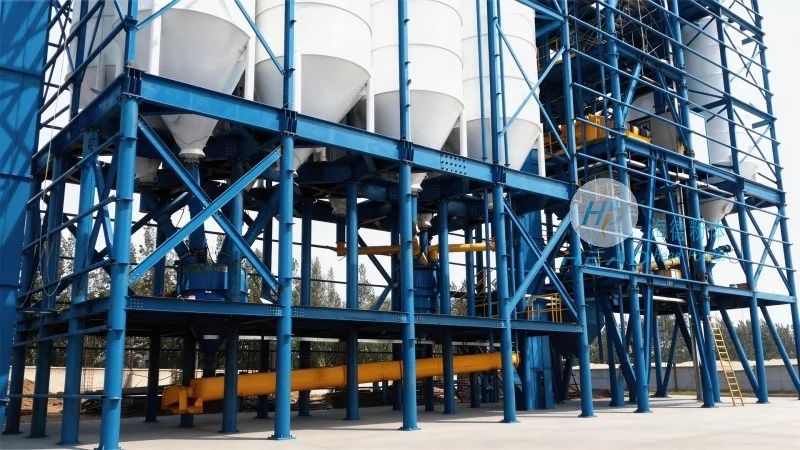
Understanding Lime (Calcium Hydroxide) and Its Conveying Needs
Lime, also known as calcium hydroxide (Ca(OH)₂), is a versatile chemical widely used in industries such as water treatment, construction, and manufacturing. Its applications range from neutralizing acidic substances to serving as a raw material in the production of other chemicals. Due to its fine powder form and potential for dust generation, the method of conveying lime requires careful consideration to ensure minimal environmental impact and operational safety. Traditional methods like belt conveyors or bucket elevators may struggle with the fine particles and dust, leading to issues like material loss and equipment wear. This is where specialized conveying systems come into play, with pneumatic conveying being a leading solution.
Different Conveying Methods for Lime
Several methods are employed for transporting lime, each with its own set of advantages and limitations. The primary options include:
Travelling Belt Conveyors: These systems use a continuous belt to move lime from one location to another. While effective for bulk materials, they may not be ideal for fine lime powders as they can cause dust accumulation and material spillage.
Bucket Elevators: These vertical conveyors use buckets attached to a chain or belt to lift and transport lime. They are suitable for vertical transport but can be less efficient with fine powders and may require more maintenance.
Pneumatic Conveying Systems: This method uses air pressure to transport lime particles through a pipeline. It offers a more controlled and efficient way to handle fine powders, reducing dust and material loss.
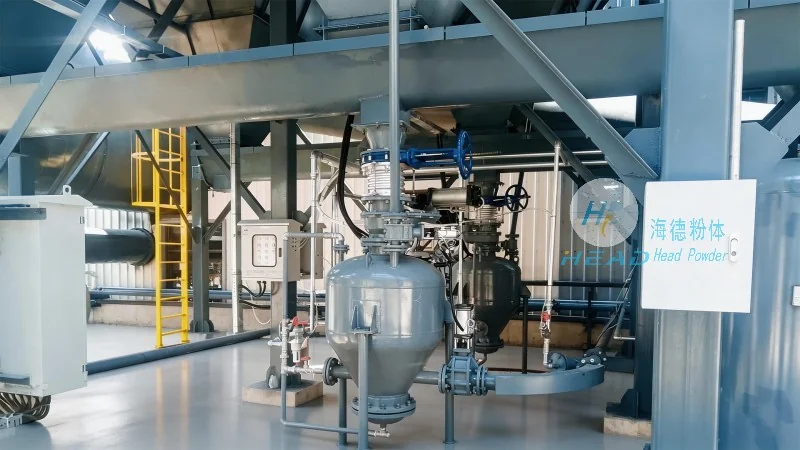
The Advantages and Features of Pneumatic Lime Conveying
Pneumatic lime conveying systems, as offered by companies like Shandong HeadPowder Engineering Co., Ltd. based in China, provide numerous benefits that make them superior to traditional methods. The key advantages include:
Efficient and Continuous Operation: Pneumatic systems allow for the continuous and automated transport of lime, reducing labor costs and increasing overall productivity. The system can handle varying volumes of material without interruption.
Reduced Dust and Environmental Impact: By enclosing the material in a pipeline, pneumatic conveying minimizes dust emissions, making it more environmentally friendly and safer for workers. This is particularly important in industries where dust control is a regulatory requirement.
Low Maintenance and Longevity: Pneumatic systems typically have fewer moving parts compared to mechanical conveyors, resulting in lower maintenance costs and longer equipment lifespan. This translates to cost savings over the system's operational life.
Flexibility in Layout: Pneumatic conveying systems can be easily adapted to different plant layouts, allowing for vertical, horizontal, or even inclined transport paths. This flexibility makes it suitable for complex industrial environments.
Improved Material Handling: The enclosed pipeline design prevents material degradation and loss, ensuring that the quality of the lime is maintained throughout the conveying process. This is crucial for applications where the purity of the material is critical.
Key Features of Pneumatic Lime Conveying Systems
Modern pneumatic lime conveying systems from Shandong HeadPowder Engineering Co., Ltd. incorporate several advanced features that enhance their performance and reliability:
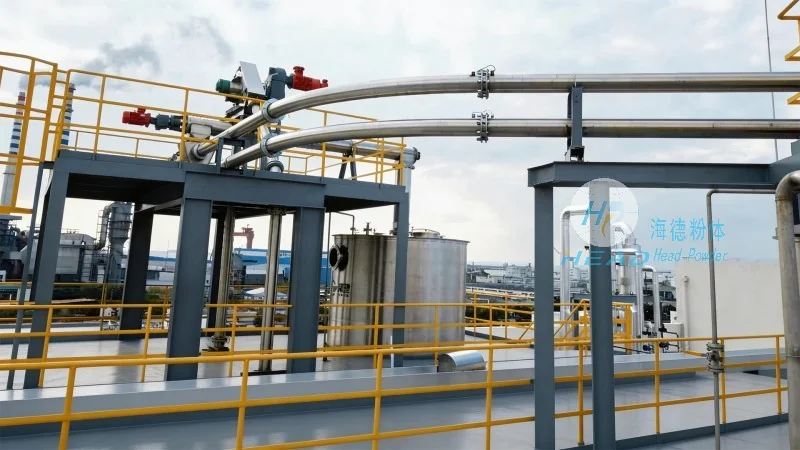
Positive Displacement Pumps: These pumps ensure a consistent flow rate, maintaining the pressure needed to transport lime efficiently. They are designed to handle fine powders without clogging.
Filter and Dust Collection Systems: Integrated filters and dust collection units capture any particles that escape the pipeline, ensuring compliance with environmental regulations and maintaining a clean working environment.
Control Systems: Advanced control systems allow for real-time monitoring of the conveying process, enabling operators to adjust parameters such as air pressure and flow rate as needed. This enhances operational efficiency and reduces downtime.
Material Handling Accessories: Systems may include components like rotary valves, feeders, and silos to facilitate the loading and unloading of lime, ensuring smooth and continuous operation.
Conclusion: Choosing the Right Lime Conveying Solution
When selecting a lime conveying method, it is essential to consider factors such as material characteristics, plant layout, and operational requirements. Pneumatic lime conveying, as demonstrated by the solutions from Shandong HeadPowder Engineering Co., Ltd., offers a comprehensive and efficient approach to handling lime. By reducing dust, minimizing material loss, and providing flexible operation, pneumatic systems provide significant advantages over traditional methods. For industries looking to enhance their operational efficiency and ensure compliance with environmental standards, pneumatic lime conveying is a reliable and cost-effective choice.

 Công ty TNHH Kỹ thuật Công trình Bột Hải Đức Sơn Đông
 156-6277-7102(Quản lý Trương)
  0531-83386006
  Quận Chương Khâu, Thành phố Tế Nam, Tỉnh Sơn Đông, Trung Quốc
Điện thoại
WeChatTư vấn
Lên đầu