Công ty Hải Đức Bột với hơn 10 năm kinh nghiệm vận chuyển khí, cung cấp hệ thống‑thiết bị‑quạt gió và nhận dự án tổng thầu bột cả nước
Wheat bran, a byproduct of wheat milling, is widely used in the food, animal feed, and pharmaceutical industries. Efficient and reliable conveying of wheat bran is crucial for maintaining product quality and operational efficiency in processing facilities. Various methods are employed for wheat bran transportation, with each having its own set of advantages and limitations. This article explores the common wheat bran conveying methods and highlights the benefits of pneumatic conveying, a popular choice for handling this material.
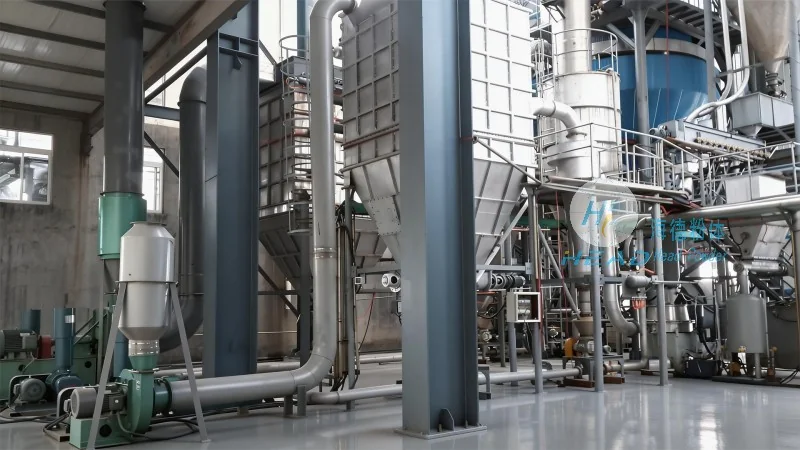
Traditional Conveying Methods for Wheat Bran
Before the advent of advanced technologies, wheat bran was often conveyed using traditional methods such as belt conveyors, screw conveyors, and bucket elevators. Belt conveyors are widely used for horizontal and inclined transport of bulk materials, including wheat bran. They are simple in design, easy to install, and can handle large volumes of material. However, belt conveyors have limitations when it comes to handling fine or dusty materials like wheat bran, as they may cause material degradation and increased dust emissions. Screw conveyors, also known as augers, are another traditional option that use a rotating screw to move material along a tube. They are suitable for vertical and horizontal transport and can handle a variety of bulk materials. Yet, screw conveyors are prone to clogging, especially with fibrous or sticky materials like wheat bran, which can lead to operational issues and maintenance challenges.
Pneumatic Conveying: A Modern Solution for Wheat Bran Transport
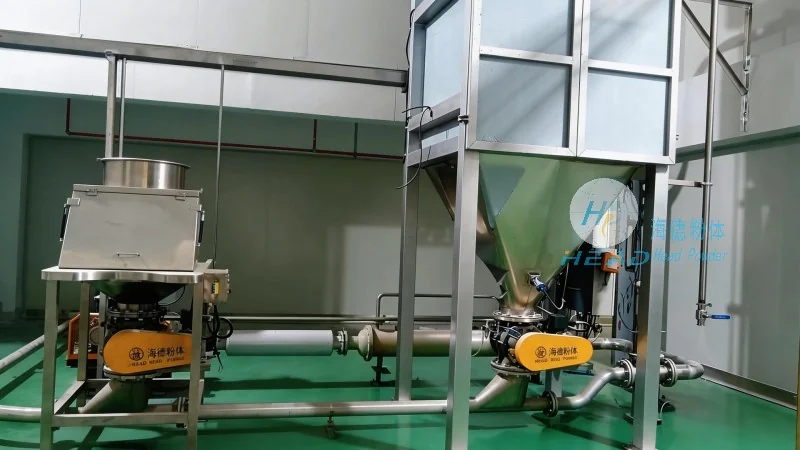
Pneumatic conveying, also known as air conveying, is a technology that uses compressed air to transport bulk materials through a pipeline. This method is particularly effective for handling wheat bran due to its ability to move material in a closed system, minimizing dust exposure and product contamination. The process involves creating a vacuum or pressure differential to draw or push the material through the pipeline. Pneumatic conveying systems can be categorized into two main types: pressure and vacuum systems. Pressure systems use compressed air to push material from a source to a destination, while vacuum systems use a vacuum to pull material from a source. Both types are suitable for wheat bran, with the choice depending on the distance, height, and material characteristics.
Advantages of Pneumatic Conveying for Wheat Bran
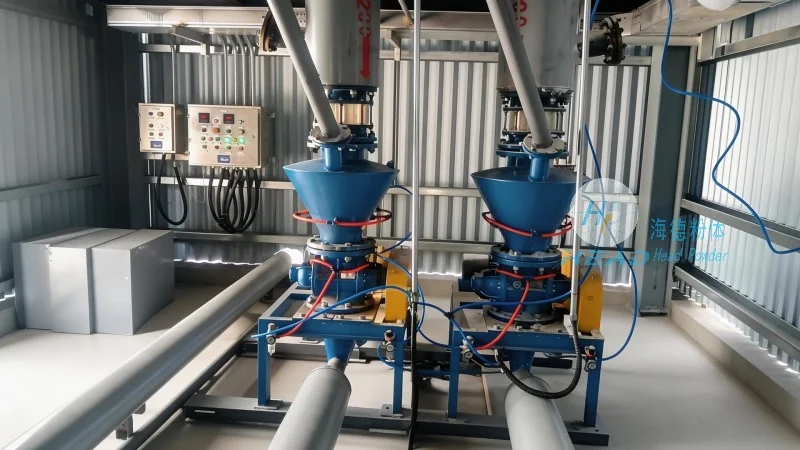
Compared to traditional conveying methods, pneumatic conveying offers several advantages that make it an ideal choice for wheat bran transport. One of the key benefits is the ability to handle fine and dusty materials without degradation. The closed system design prevents exposure to air and contaminants, maintaining the quality of the wheat bran. This is particularly important in food and pharmaceutical applications where product purity is critical. Another advantage is the reduced risk of cross-contamination, as the system is enclosed and can be designed to meet sanitary standards. Pneumatic conveying also allows for flexible and compact layouts, as the pipeline can be installed in various configurations without the need for large machinery or extensive space. Additionally, this method can handle high volumes of material efficiently, making it suitable for large-scale processing facilities. The system is also relatively easy to clean and maintain, as the pipeline can be flushed with air or cleaning solutions to remove any residue.
Key Features of Pneumatic Conveying Systems for Wheat Bran
The effectiveness of pneumatic conveying for wheat bran depends on several key features of the system. First, the material handling capacity is crucial, as it determines the volume of wheat bran that can be transported per unit time. This is influenced by factors such as the pipeline diameter, air velocity, and material density. Second, the system's ability to handle fine particles is important, as wheat bran can have varying particle sizes. The design of the airlocks and feeders must be optimized to prevent clogging and ensure smooth material flow. Third, the system's energy efficiency is a consideration, as pneumatic conveying can be energy-intensive. Modern systems use advanced control technologies to optimize air pressure and flow, reducing energy consumption. Fourth, the system's durability and reliability are essential, as it must operate continuously in industrial settings. High-quality materials and robust construction are required to withstand the abrasive nature of wheat bran and the constant air flow. Finally, the system's flexibility allows for easy integration with other processing equipment, such as mills, mixers, and storage silos.
Applications of Pneumatic Conveying in Wheat Bran Processing
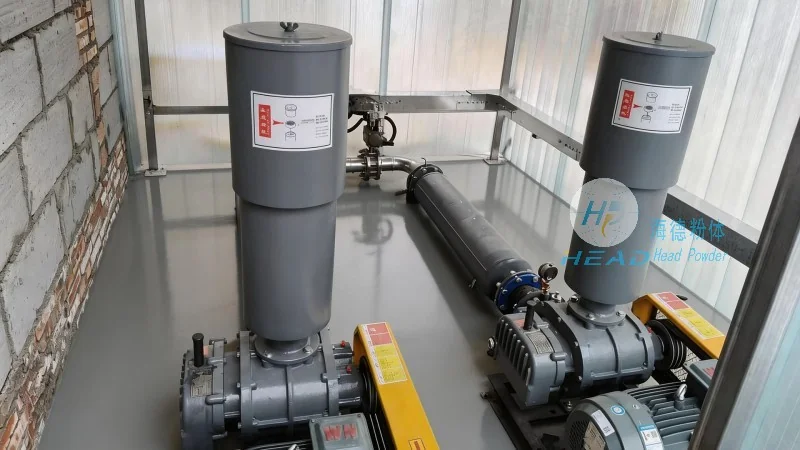
Pneumatic conveying is widely used in various applications within wheat bran processing facilities. In food processing, it is used to transport wheat bran from storage silos to mixing equipment, ensuring a consistent supply of raw material. In animal feed production, it is employed to move wheat bran from storage to feed mixers, maintaining the quality and freshness of the feed. In pharmaceutical manufacturing, pneumatic conveying is used to transport wheat bran to processing lines, where it is used as an ingredient in supplements or medications. The closed system design of pneumatic conveying helps maintain the purity and quality of the material, which is critical in these industries. Additionally, the system's ability to handle fine particles makes it suitable for applications where the material needs to be processed into smaller particles or mixed with other ingredients.
Conclusion: Choosing the Right Conveying Method for Wheat Bran
When selecting a conveying method for wheat bran, it is essential to consider the specific requirements of the processing facility, including material characteristics, transport distance, and operational efficiency. Traditional methods like belt and screw conveyors may be suitable for small-scale operations or where cost is a primary concern. However, for large-scale facilities or applications requiring high product quality, pneumatic conveying is often the preferred choice. The advantages of pneumatic conveying, including its ability to handle fine materials, maintain product quality, and reduce contamination, make it a reliable and efficient solution. As a leading provider of engineering solutions for bulk material handling, Shandong HeadPowder Engineering Co., Ltd. specializes in designing and manufacturing pneumatic conveying systems tailored to the needs of wheat bran processing facilities. With a focus on quality and innovation, the company ensures that its systems meet the highest standards of performance and reliability. Based in Shandong, China, HeadPowder offers comprehensive solutions for wheat bran conveying, helping businesses optimize their operations and enhance product quality.

 Công ty TNHH Kỹ thuật Công trình Bột Hải Đức Sơn Đông
 156-6277-7102(Quản lý Trương)
  0531-83386006
  Quận Chương Khâu, Thành phố Tế Nam, Tỉnh Sơn Đông, Trung Quốc
Điện thoại
WeChatTư vấn
Lên đầu