Công ty Hải Đức Bột với hơn 10 năm kinh nghiệm vận chuyển khí, cung cấp hệ thống‑thiết bị‑quạt gió và nhận dự án tổng thầu bột cả nước
For manufacturers in the lithium-ion battery industry, the efficient and safe handling of positive electrode materials is a critical operational challenge. A well-designed pneumatic conveying system can significantly enhance production efficiency while ensuring product integrity and workplace safety. This article outlines key considerations and best practices for designing a reasonable pneumatic conveying system tailored to the specific needs of lithium-ion battery positive electrode processing.
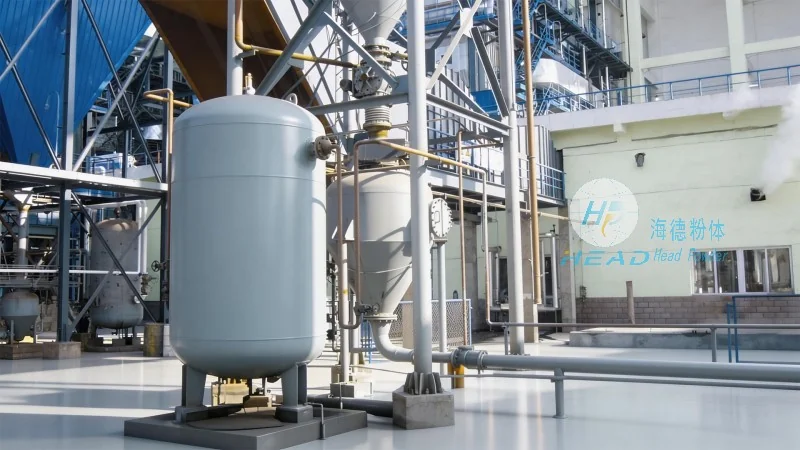
About HeadPowder: Your Expert Partner in Pneumatic Conveying Solutions
HeadPowder, or Shandong HeadPowder Engineering Co., Ltd., is a leading provider of specialized engineering solutions for material handling in the battery and related industries. With a focus on precision, reliability, and innovation, HeadPowder has established itself as a trusted partner for companies seeking to optimize their production lines. Based in Shandong, China, the company leverages years of industry experience to deliver customized pneumatic conveying systems that meet the stringent requirements of modern battery manufacturing.
Key Factors in Designing an Effective Pneumatic Conveying System
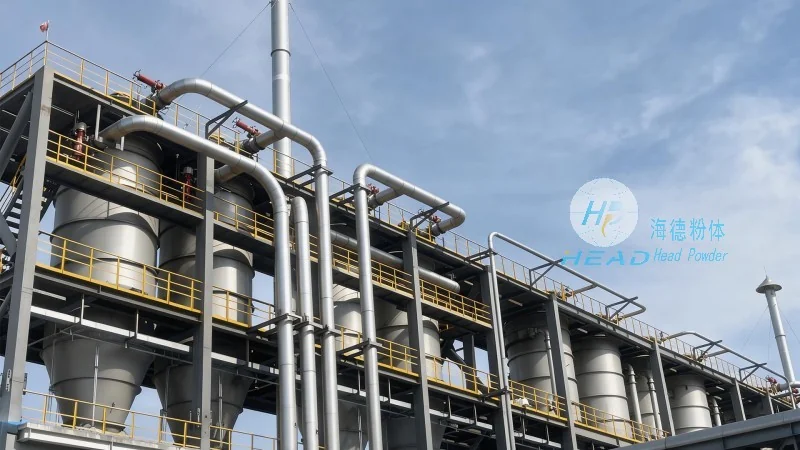
The design of a pneumatic conveying system for lithium-ion battery positive electrodes must address several critical factors to ensure optimal performance. First, the material characteristics of the positive electrode powder—such as particle size, moisture content, and bulk density—must be carefully evaluated. These properties directly impact the system's air flow requirements and the choice of conveying method (e.g., dilute-phase or dense-phase). For instance, fine powders may require higher air velocities to prevent clogging, while larger particles might benefit from dense-phase conveying to minimize material degradation.
Second, the system's capacity and throughput needs must align with the production scale. A system designed for high-volume production will differ significantly from one intended for small-scale or research applications. HeadPowder's engineers work closely with clients to assess their current and future production demands, ensuring the system can scale as needed without compromising efficiency. This includes considerations of batch size, production speed, and the need for continuous or intermittent operation.
Third, safety and environmental compliance are paramount in battery manufacturing. Pneumatic conveying systems must adhere to local regulations regarding dust control, explosion prevention, and material containment. HeadPowder incorporates advanced safety features, such as explosion-proof designs, dust collection systems, and material recovery mechanisms, to mitigate risks and ensure compliance. Additionally, the system's design should minimize environmental impact by reducing waste and optimizing energy consumption.
Customization and Integration: Tailoring the System to Your Needs
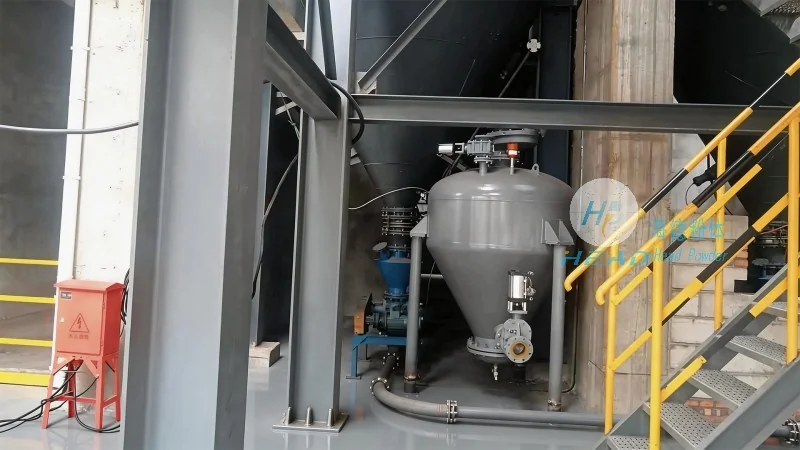
Every lithium-ion battery production line is unique, and a one-size-fits-all approach to pneumatic conveying is rarely effective. HeadPowder specializes in customizing systems to meet the specific requirements of each client. This involves integrating the conveying system with existing production equipment, such as mixers, dryers, and coating lines, to create a seamless workflow. The company's engineering team conducts thorough site assessments and process analyses to identify potential bottlenecks and opportunities for improvement.
For example, a system might include multiple conveying lines to handle different grades of positive electrode material or to transport materials between various stages of the production process. HeadPowder's expertise in material flow analysis allows them to design systems that minimize downtime and maximize material utilization. The company also considers factors such as space constraints, existing infrastructure, and operational costs when developing a customized solution.
Furthermore, HeadPowder offers post-installation support and maintenance services to ensure the system operates at peak performance over its lifespan. This includes regular inspections, component replacements, and technical assistance to address any issues that may arise. By providing comprehensive support, HeadPowder helps clients maintain the efficiency and reliability of their pneumatic conveying systems, reducing long-term operational costs.
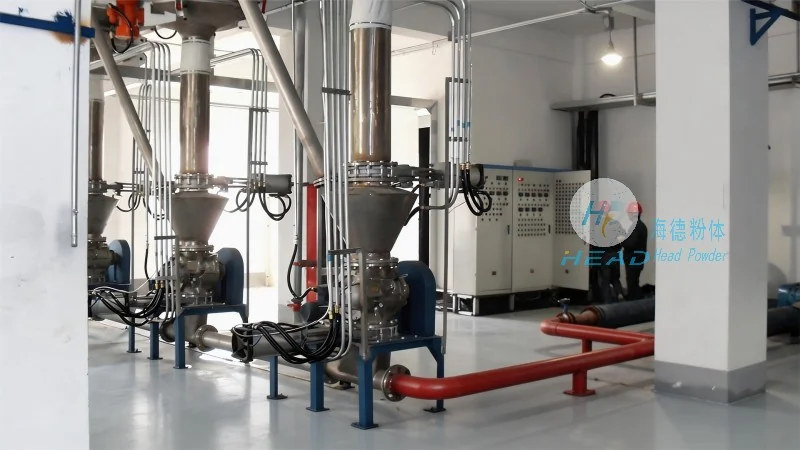
Conclusion: Optimizing Battery Production with a Well-Designed System
Designing a reasonable pneumatic conveying system for lithium-ion battery positive electrodes is a complex but essential task. By considering material properties, production capacity, safety requirements, and customization needs, manufacturers can select a system that enhances productivity, ensures product quality, and supports long-term operational success. HeadPowder, with its expertise and commitment to quality, offers tailored solutions that address the unique challenges of battery manufacturing. Whether you are a new entrant to the industry or an established manufacturer looking to upgrade your equipment, HeadPowder can help you design a pneumatic conveying system that meets your needs and drives your business forward.

 Công ty TNHH Kỹ thuật Công trình Bột Hải Đức Sơn Đông
 156-6277-7102(Quản lý Trương)
  0531-83386006
  Quận Chương Khâu, Thành phố Tế Nam, Tỉnh Sơn Đông, Trung Quốc
Điện thoại
WeChatTư vấn
Lên đầu