Công ty Hải Đức Bột với hơn 10 năm kinh nghiệm vận chuyển khí, cung cấp hệ thống‑thiết bị‑quạt gió và nhận dự án tổng thầu bột cả nước
For industries dealing with magnesium sulfate heptahydrate, selecting an efficient and reliable conveying system is crucial for operational efficiency and cost management. The air-driven conveying system, also known as pneumatic conveying, offers a viable solution for transporting this material. This article provides a comprehensive guide on designing a reasonable air-driven magnesium sulfate heptahydrate conveying system, focusing on key considerations and best practices to ensure optimal performance.
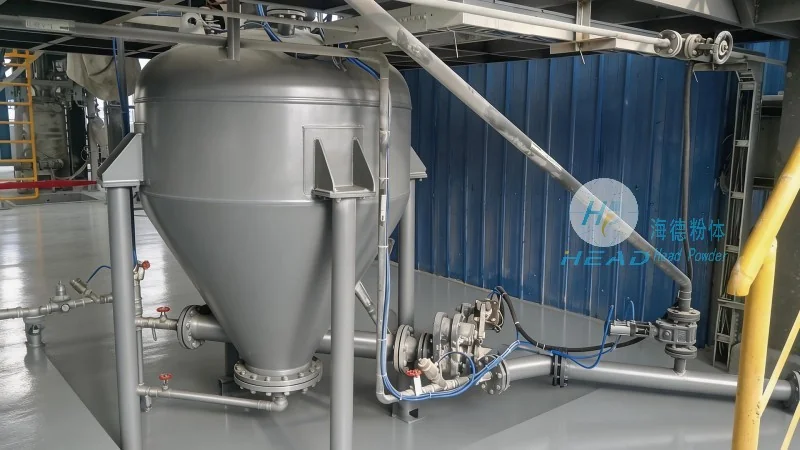
Understanding the Core Components of an Air-Driven Conveying System
The air-driven conveying system for magnesium sulfate heptahydrate typically consists of several critical components. These include the material feed hopper, the air compressor or blower, the conveying pipeline, the dust collection system, and the material discharge unit. Each component plays a vital role in the overall system performance. The feed hopper is responsible for storing and feeding the material into the pipeline, while the air compressor provides the necessary pressure to move the material through the system. The conveying pipeline, often made of stainless steel or other corrosion-resistant materials, ensures the material is transported safely and efficiently. The dust collection system is essential for maintaining air quality and complying with environmental regulations. Finally, the discharge unit allows the material to be released at the desired location.
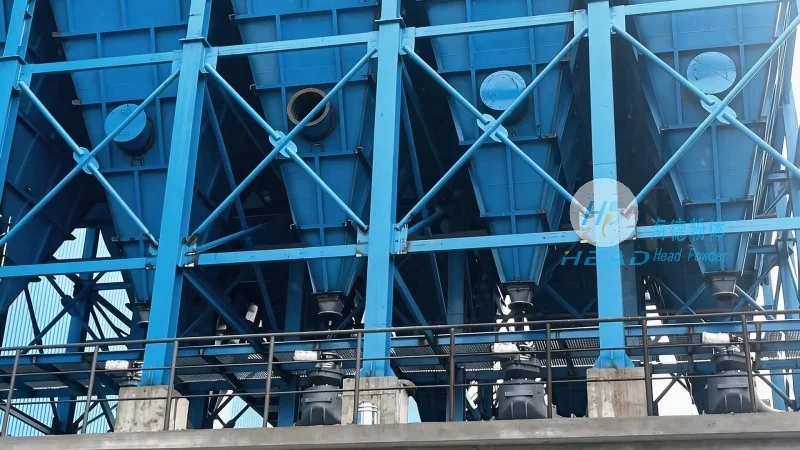
Key Design Considerations for System Efficiency
When designing an air-driven magnesium sulfate heptahydrate conveying system, several factors must be carefully considered to achieve optimal efficiency. The first is the material's physical properties, such as its density, flowability, and moisture content. These properties affect how the material behaves in the conveying system and can impact the system's performance. For example, magnesium sulfate heptahydrate has a relatively high density and can be prone to bridging or caking, which may require special hopper designs or vibration systems to prevent blockages. The second consideration is the system's capacity and flow rate requirements. The system must be designed to handle the required material throughput while maintaining a stable and consistent flow. This involves selecting the appropriate air compressor capacity and pipeline diameter. The third factor is the system's pressure and velocity requirements. The air velocity in the pipeline must be sufficient to keep the material suspended and prevent it from settling or clogging the pipeline. However, excessive velocity can lead to increased energy consumption and wear on the system components. Therefore, a balance between pressure and velocity is crucial for efficient operation.
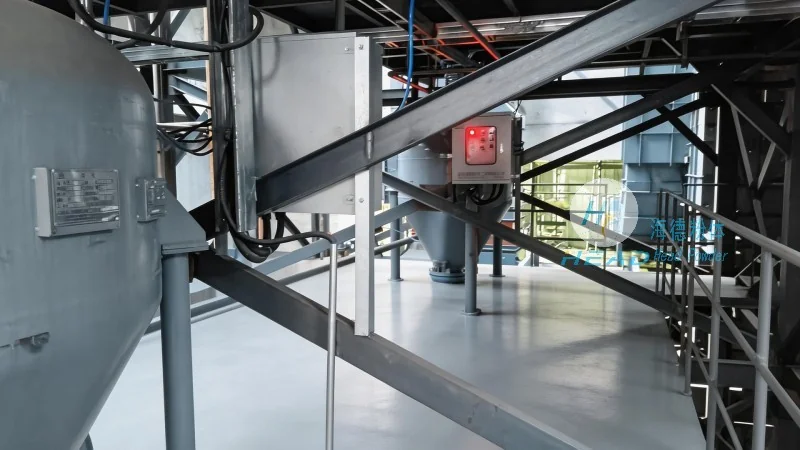
Equipment Selection and Installation Best Practices
Choosing the right equipment for an air-driven magnesium sulfate heptahydrate conveying system is critical for long-term performance and reliability. The air compressor or blower is a key component and should be selected based on the system's required pressure and flow rate. Centrifugal blowers are commonly used for low to medium pressure applications, while positive displacement blowers are suitable for higher pressure needs. The material feed hopper should be designed to minimize material bridging and ensure consistent feeding. This may involve using a hopper with a conical or wedge-shaped bottom, along with a vibratory feeder or a rotary valve to control the material flow. The conveying pipeline should be properly sized and installed to minimize pressure losses and ensure smooth material flow. Proper support and alignment of the pipeline are also important to prevent sagging or vibration-induced damage. The dust collection system should be designed to capture fine particles and maintain air quality. This may include a baghouse or an electrostatic precipitator, depending on the system's requirements and local regulations.
Maintenance and Operational Guidelines for Longevity
To ensure the longevity and reliability of an air-driven magnesium sulfate heptahydrate conveying system, regular maintenance and proper operational guidelines are essential. Regular inspections of the system components, such as the air compressor, pipeline, and dust collection system, are necessary to identify and address any potential issues before they become major problems. The air compressor should be checked for proper lubrication and air filter maintenance to ensure efficient operation and prevent overheating. The pipeline should be inspected for signs of wear or corrosion, and any damaged sections should be replaced promptly. The dust collection system should be cleaned regularly to maintain its efficiency and prevent clogging. Operational guidelines, such as proper start-up and shut-down procedures, should be followed to prevent damage to the system components. Additionally, monitoring the system's performance, including flow rate and pressure, can help identify any changes in the system's behavior and allow for timely adjustments.
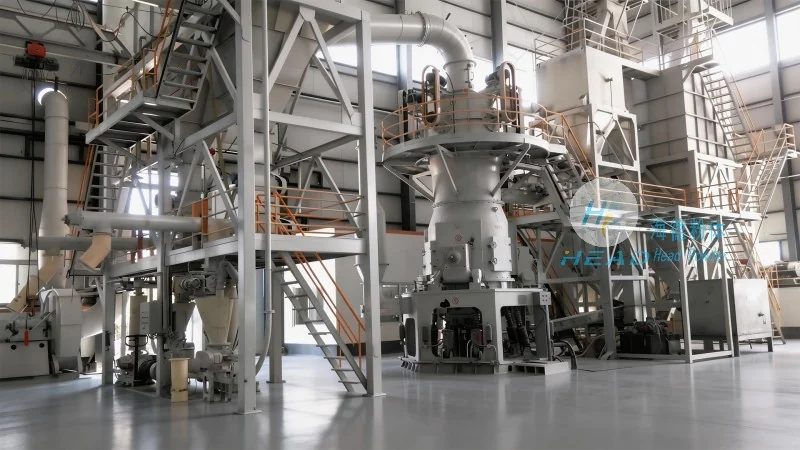
Conclusion: Achieving Optimal Performance with a Well-Designed System
Designing a reasonable air-driven magnesium sulfate heptahydrate conveying system requires careful consideration of the material's properties, system requirements, and equipment selection. By following best practices and adhering to operational guidelines, industries can achieve efficient and reliable material transport, reducing operational costs and improving overall productivity. The air-driven conveying system offers a flexible and effective solution for transporting magnesium sulfate heptahydrate, and with proper design and maintenance, it can provide long-term benefits for any operation.

 Công ty TNHH Kỹ thuật Công trình Bột Hải Đức Sơn Đông
 156-6277-7102(Quản lý Trương)
  0531-83386006
  Quận Chương Khâu, Thành phố Tế Nam, Tỉnh Sơn Đông, Trung Quốc
Điện thoại
WeChatTư vấn
Lên đầu