Công ty Hải Đức Bột với hơn 10 năm kinh nghiệm vận chuyển khí, cung cấp hệ thống‑thiết bị‑quạt gió và nhận dự án tổng thầu bột cả nước
PTA (Polyethylene Terephthalate) powder is a critical raw material in the production of polyester fibers and resins, widely used in the textile, packaging, and automotive industries. The efficient and reliable transportation of PTA powder from storage to processing units is essential for maintaining production efficiency and product quality. However, traditional bulk material handling methods often face challenges such as material degradation, contamination, and operational inefficiencies. This article explores various PTA powder conveying methods, with a focus on the advantages and features of pneumatic conveying, a technology that has become increasingly popular in modern industrial applications.
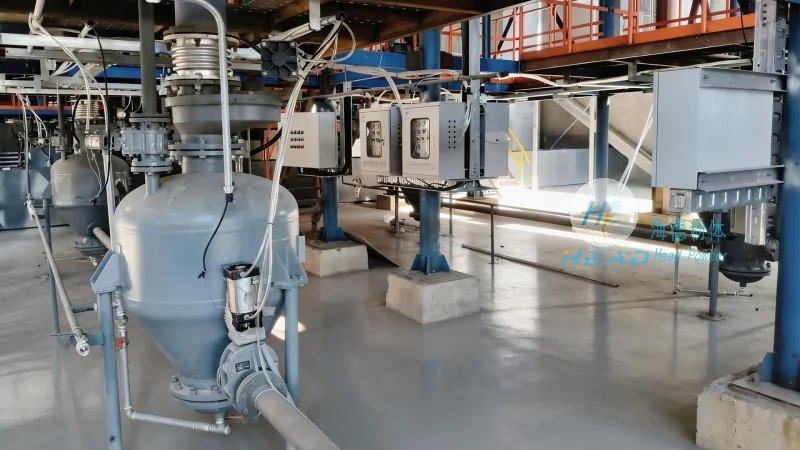
Common PTA Powder Conveying Methods
Before delving into the specifics of pneumatic conveying, it is important to understand the primary alternatives used for PTA powder transport. Mechanical conveying systems, including belt conveyors, screw conveyors, and bucket elevators, have long been standard in bulk material handling. These methods rely on mechanical components to move materials, typically through gravity or mechanical force. While effective for certain applications, mechanical conveyors may present limitations when handling fine powders like PTA, as they can cause particle attrition, leading to dust generation and potential product contamination. Additionally, mechanical systems often require regular maintenance and may be less suitable for long-distance or complex routing requirements.
Pneumatic Conveying: A Modern Solution for PTA Powder Transport
Pneumatic conveying, also known as air conveying, is a technology that uses pressurized or vacuum air to transport bulk materials through a pipeline system. This method offers several advantages over traditional mechanical conveyors, particularly for PTA powder, which is often sensitive to handling conditions. The primary benefits of pneumatic conveying for PTA powder include: clean and dust-free operation, as the material is contained within a sealed pipeline, minimizing the risk of contamination from external sources; high efficiency and flexibility, allowing for horizontal, vertical, or complex routing of the conveying line; and the ability to handle fine powders without causing particle degradation. Pneumatic systems can be designed for both pressure and vacuum operation, providing versatility in different industrial settings.
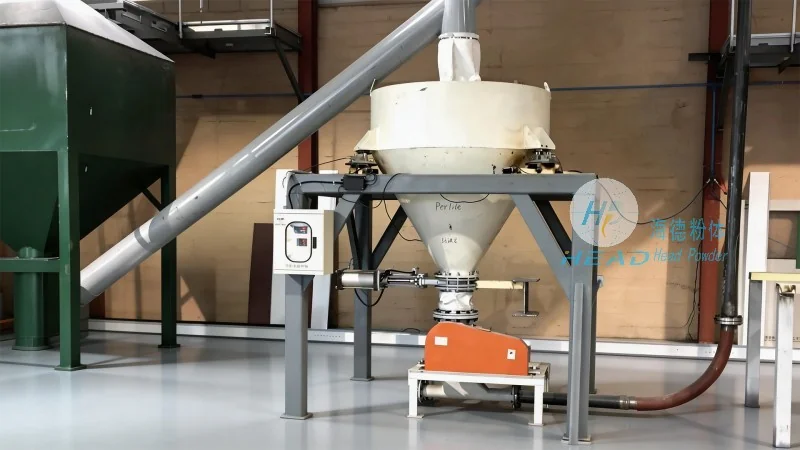
Key Advantages of Pneumatic Conveying for PTA Powder
One of the most significant advantages of pneumatic conveying is its ability to maintain the integrity of PTA powder. Unlike mechanical systems that may cause friction and attrition, pneumatic transport uses air to move particles, reducing the risk of dust formation and product degradation. This is particularly important for PTA, which is used in applications where purity and consistency are critical, such as in the production of high-quality polyester fibers. Additionally, pneumatic conveying systems are generally more compact and easier to integrate into existing production lines compared to large mechanical conveyors, making them a space-efficient solution for modern industrial facilities.
Customization and Scalability of Pneumatic Conveying Systems
Another key feature of pneumatic conveying is its adaptability to different production needs. Systems can be customized to handle varying PTA powder flow rates, from low to high capacity, and can be scaled up or down to meet the specific requirements of a facility. This flexibility is essential for industries where production volumes fluctuate or where different processing stages require different conveying capacities. Furthermore, pneumatic conveying systems can be integrated with other automation technologies, such as sensors and control systems, to optimize performance and ensure consistent material flow. This integration enhances operational efficiency and reduces downtime, contributing to overall cost savings.
Environmental and Safety Considerations in PTA Powder Conveying
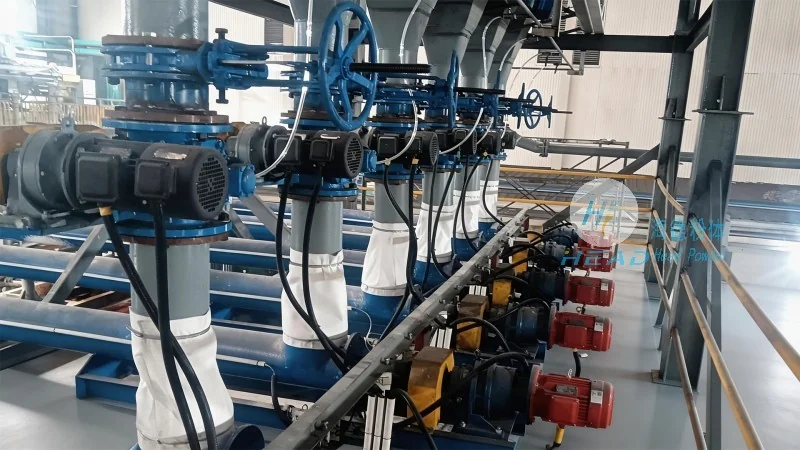
Environmental and safety considerations are paramount in the handling of PTA powder, and pneumatic conveying systems address these concerns effectively. By containing the material within a sealed pipeline, pneumatic systems minimize dust emissions, reducing the risk of air pollution and ensuring compliance with environmental regulations. This is especially important in industrial areas where air quality is a concern. Additionally, pneumatic conveying reduces the need for manual handling of PTA powder, which can be hazardous due to the fine particle size and potential for respiratory irritation. The enclosed system also protects operators from direct exposure to the material, enhancing workplace safety.
Case Study: Pneumatic Conveying in PTA Production Facilities
Many leading PTA production facilities have adopted pneumatic conveying systems to improve their material handling processes. For example, a major polyester manufacturer in China implemented a pneumatic conveying system to transport PTA powder from storage silos to the reaction units. The system was designed to handle high volumes of PTA powder efficiently, with minimal downtime and reduced maintenance requirements. The result was a significant improvement in production throughput and a decrease in product contamination, leading to higher quality output and increased customer satisfaction. This case study highlights the practical benefits of pneumatic conveying in real-world industrial applications.
Conclusion: The Role of Pneumatic Conveying in PTA Powder Handling
In conclusion, pneumatic conveying represents a superior solution for the transportation of PTA powder compared to traditional mechanical methods. Its advantages in terms of cleanliness, efficiency, flexibility, and safety make it an ideal choice for modern industrial operations. As the demand for high-quality PTA products continues to grow, the adoption of advanced conveying technologies like pneumatic systems will be crucial for maintaining competitiveness and meeting production requirements. Companies such as Shandong HeadPowder Engineering Co., Ltd., with their expertise in bulk material handling solutions, play a vital role in providing customized pneumatic conveying systems that meet the specific needs of PTA manufacturers.

 Công ty TNHH Kỹ thuật Công trình Bột Hải Đức Sơn Đông
 156-6277-7102(Quản lý Trương)
  0531-83386006
  Quận Chương Khâu, Thành phố Tế Nam, Tỉnh Sơn Đông, Trung Quốc
Điện thoại
WeChatTư vấn
Lên đầu