Công ty Hải Đức Bột với hơn 10 năm kinh nghiệm vận chuyển khí, cung cấp hệ thống‑thiết bị‑quạt gió và nhận dự án tổng thầu bột cả nước
Wheat bran, a byproduct of the milling process, is a valuable material used in various industries such as animal feed, food processing, and biofuel production. Efficient and reliable conveying of wheat bran is crucial for maintaining production efficiency and product quality. This article explores the different methods of wheat bran conveying, with a focus on the advantages and features of pneumatic conveying systems. The information is provided by Shandong HeadPowder Engineering Co., Ltd., a leading manufacturer of conveying equipment based in Shandong, China.
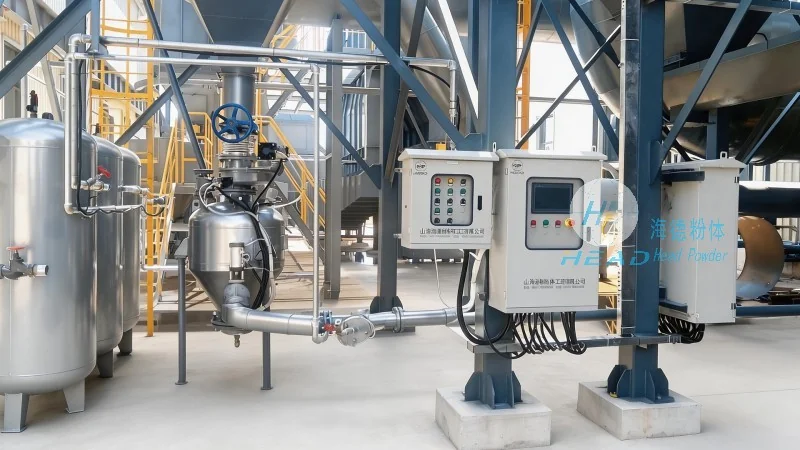
Different Conveying Methods for Wheat Bran
There are several methods used to transport wheat bran, each with its own set of applications and limitations. Traditional methods include mechanical conveyors like belt conveyors, screw conveyors, and bucket elevators. These systems are effective for short to medium distances and can handle a wide range of bulk materials. However, they may face challenges when dealing with fine, dusty materials like wheat bran, which can lead to issues such as material buildup, clogging, and increased maintenance costs.
Pneumatic Conveying: A Modern Solution
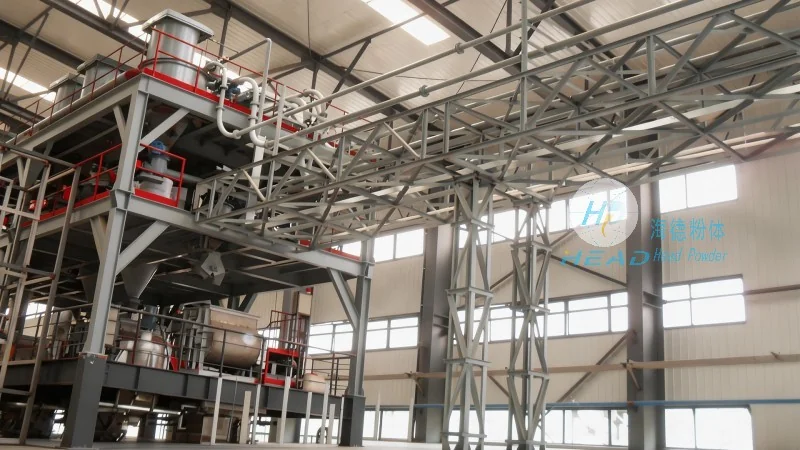
Pneumatic conveying, also known as air conveying, is a technology that uses compressed air to transport bulk materials through a pipeline. This method offers several advantages over traditional mechanical systems, making it an ideal choice for wheat bran handling. The primary benefits include high efficiency, low maintenance, and the ability to handle fine, dusty materials without the risk of clogging or material degradation.
Key Advantages of Pneumatic Conveying for Wheat Bran
One of the most significant advantages of pneumatic conveying is its ability to transport wheat bran over long distances with minimal loss of material. The system uses a closed pipeline, which prevents dust from escaping into the environment and reduces the risk of contamination. Additionally, pneumatic conveying systems are highly flexible, allowing for easy integration with existing production lines and the ability to change the direction of material flow as needed.
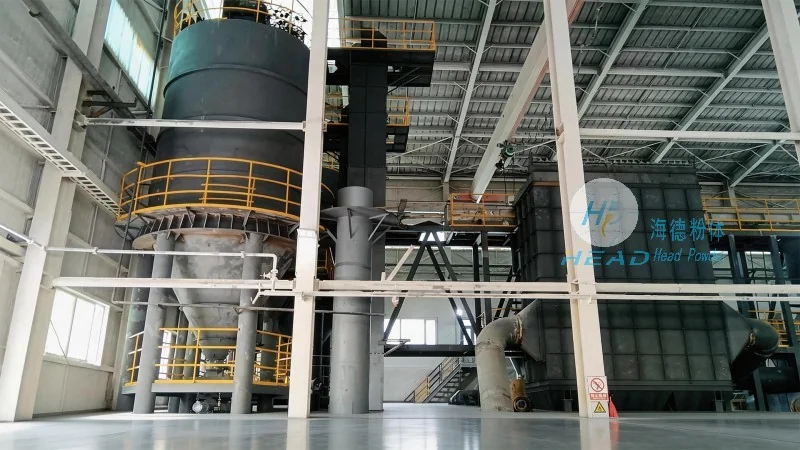
Another key advantage is the reduced maintenance requirements compared to mechanical conveyors. Since there are no moving parts in contact with the material, the risk of wear and tear is significantly lower. This results in lower operational costs and less downtime for maintenance. Furthermore, pneumatic conveying systems can handle a wide range of material sizes and moisture content, making them suitable for various applications in the wheat bran processing industry.
Features of Pneumatic Conveying Systems
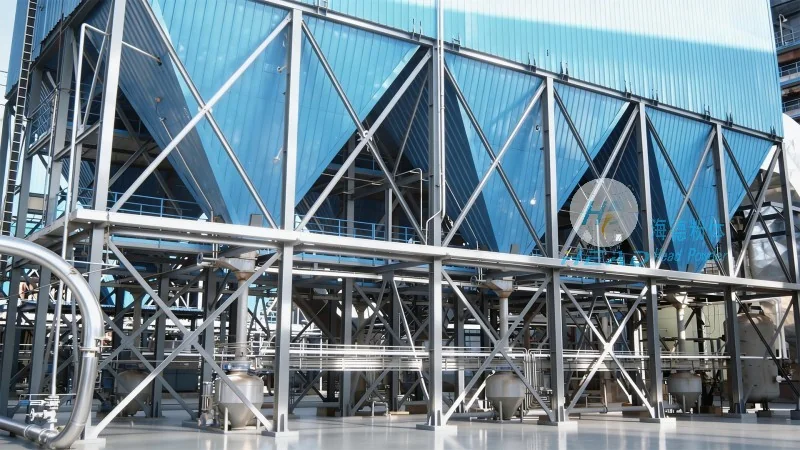
Modern pneumatic conveying systems for wheat bran are equipped with advanced features that enhance their performance and reliability. These features include variable speed drives, which allow for precise control of material flow rates, and pressure sensors that monitor system performance and alert operators to any issues. Additionally, many systems are designed with explosion-proof components, making them suitable for use in environments where dust accumulation is a concern.
Application Examples in Wheat Bran Processing
Pneumatic conveying is widely used in various stages of wheat bran processing. For example, in the initial milling stage, pneumatic systems can be used to transport raw wheat bran from storage silos to processing equipment. In the final stages, they can be used to move finished products to packaging lines. The flexibility of pneumatic conveying allows for seamless integration into these processes, ensuring smooth and continuous operation.

 Công ty TNHH Kỹ thuật Công trình Bột Hải Đức Sơn Đông
 156-6277-7102(Quản lý Trương)
  0531-83386006
  Quận Chương Khâu, Thành phố Tế Nam, Tỉnh Sơn Đông, Trung Quốc
Điện thoại
WeChatTư vấn
Lên đầu