Công ty Hải Đức Bột với hơn 10 năm kinh nghiệm vận chuyển khí, cung cấp hệ thống‑thiết bị‑quạt gió và nhận dự án tổng thầu bột cả nước
When it comes to transporting fertilizer, various methods are employed depending on the specific requirements of the operation. These methods range from traditional mechanical systems such as belt conveyors and screw conveyors to modern pneumatic solutions. Each approach has its own set of advantages and limitations, making it essential to understand the nuances of fertilizer transportation for optimizing efficiency, safety, and cost-effectiveness in agricultural and industrial applications.
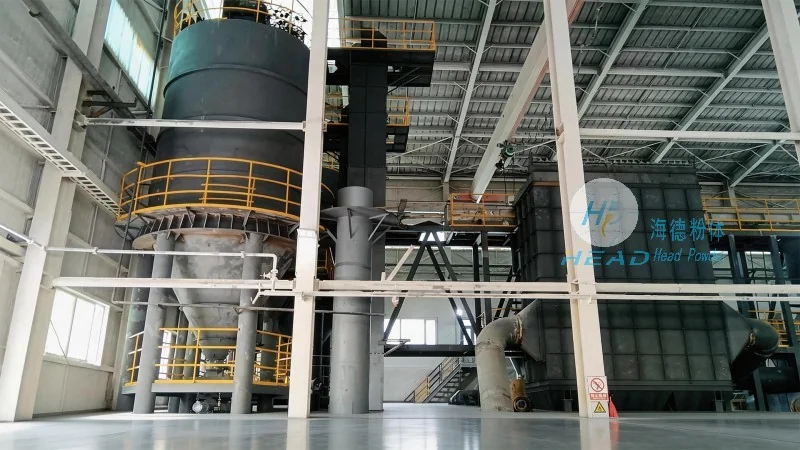
Common Fertilizer Transportation Methods
Traditional mechanical conveyors, including belt conveyors, screw conveyors, and bucket elevators, have long been the backbone of fertilizer handling. These systems are valued for their simplicity, reliability, and ability to handle a wide range of bulk materials. However, they often face challenges with dusty or sticky fertilizers, as well as difficulties in maintaining consistent flow rates over long distances. Mechanical conveyors may also require regular maintenance and can be less efficient in handling large volumes compared to more advanced systems.
Pneumatic Fertilizer Conveying: A Modern Solution
Among the diverse fertilizer transportation methods, pneumatic conveying stands out as a highly efficient and versatile solution. Pneumatic systems utilize air pressure to transport bulk materials, including fertilizers, through a network of pipes. This method offers several key advantages that make it particularly suitable for modern agricultural and industrial needs, especially in large-scale operations where continuous and reliable supply of fertilizer is critical for productivity.
Key Advantages of Pneumatic Fertilizer Conveying
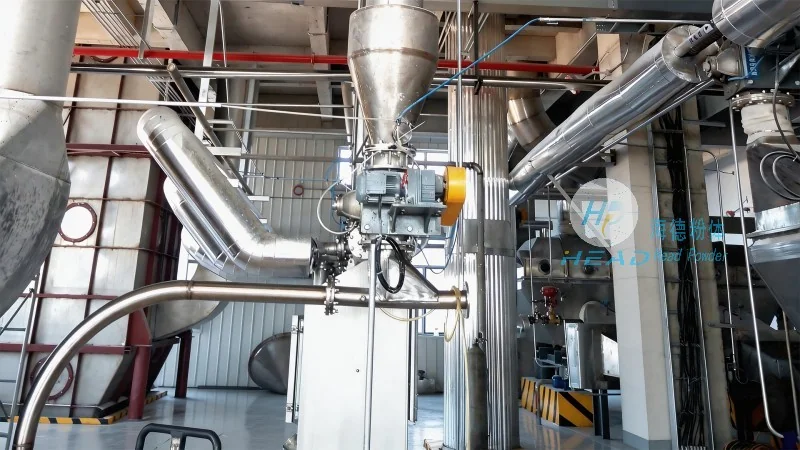
One of the primary advantages of pneumatic fertilizer conveying is its exceptional efficiency in material handling. Pneumatic systems can transport large volumes of fertilizer quickly and with minimal labor, reducing the time and effort required for material movement. This efficiency is especially beneficial in agricultural settings where timely application of fertilizers is crucial for crop growth and yield optimization. The ability to handle continuous flow without manual intervention enhances operational productivity and reduces downtime.
Another significant advantage is the enhanced safety and environmental protection provided by pneumatic systems. Unlike mechanical conveyors, which may generate dust and noise, pneumatic conveying operates with enclosed systems that minimize exposure to airborne particles. This not only protects workers from respiratory hazards but also reduces the risk of contamination and environmental pollution. The enclosed nature of pneumatic systems helps maintain the quality of the fertilizer, preventing moisture absorption or degradation during transport, which is vital for preserving nutrient content and effectiveness.
Furthermore, pneumatic fertilizer conveying offers flexibility in system design and operation. The modular nature of pneumatic systems allows for easy expansion or reconfiguration to accommodate changing production needs or facility layouts. This adaptability is valuable in dynamic agricultural settings where fertilizer requirements may vary seasonally or with different crop cycles. Additionally, pneumatic systems can be integrated with other processing equipment, such as mixing and blending units, to create a seamless material handling workflow, improving overall operational efficiency.
Technical Features and Performance of Pneumatic Fertilizer Conveying
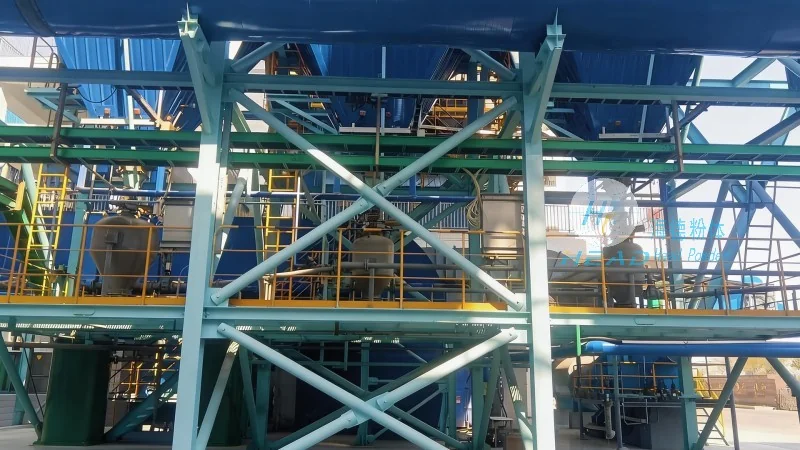
The effectiveness of pneumatic fertilizer conveying is attributed to several technical features that optimize performance. The system typically consists of a blower or compressor that generates the necessary air pressure, a hopper for material storage, and a series of pipes and valves for directing the flow. The design of the system can be customized to handle different types of fertilizers, including granular, powdered, or even liquid-based formulations, by adjusting the air velocity and pipe diameter. Advanced pneumatic conveying solutions often incorporate variable speed drives and intelligent control systems to adjust air pressure and flow rates in real-time, ensuring optimal performance while minimizing energy waste.
Performance metrics such as conveying capacity, pressure drop, and energy consumption are critical in evaluating the efficiency of pneumatic systems. Specialized engineering companies like Shandong HeadPowder Engineering Co., Ltd. leverage cutting-edge technology to optimize these parameters. For example, the use of high-efficiency blowers and optimized pipe networks reduces energy consumption, making pneumatic conveying a cost-effective solution in the long run. Additionally, the ability to handle varying material characteristics, such as different particle sizes and moisture content, ensures consistent performance and prevents system blockages or inefficiencies.
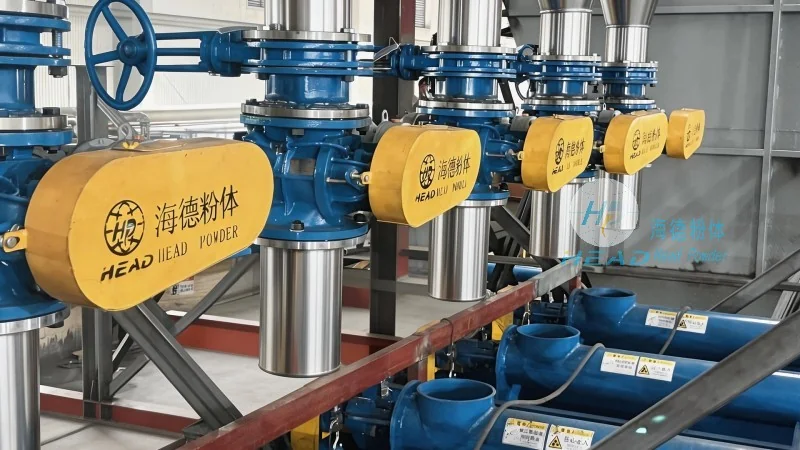
Application Examples and Industry Impact
Pneumatic fertilizer conveying is widely applied in various sectors, from large-scale agricultural farms to industrial fertilizer production facilities. In agricultural settings, it is commonly used to transport bulk fertilizers from storage silos to application equipment, such as spreaders or injectors. This ensures a consistent and efficient supply of nutrients to crops, supporting sustainable farming practices and improved yields. The ability to handle different fertilizer types, including nitrogen, phosphorus, and potassium (NPK) blends, makes pneumatic systems versatile for diverse agricultural needs.
In industrial fertilizer manufacturing, pneumatic systems play a crucial role in moving raw materials, intermediate products, and finished goods through the production line. The ability to handle different material types and maintain product integrity makes pneumatic conveying an ideal choice for complex manufacturing processes. Companies like Shandong HeadPowder Engineering Co., Ltd. specialize in designing and implementing such systems, tailored to the specific needs of fertilizer producers to enhance operational efficiency and product quality. Their expertise in system integration and maintenance ensures that clients can maximize the benefits of pneumatic conveying while minimizing operational risks.
Overall, the adoption of pneumatic fertilizer conveying represents a significant advancement in material handling technology for the fertilizer industry. By leveraging the advantages of air-based transport, operations can achieve higher productivity, better safety standards, and reduced environmental impact. As the demand for efficient and sustainable fertilizer management continues to grow, pneumatic conveying systems will likely remain a key component in modern agricultural and industrial practices. The integration of advanced control systems and energy-efficient components further enhances the viability of pneumatic conveying as a long-term solution for fertilizer transportation, aligning with the industry's shift towards sustainable and high-performance operations.

 Công ty TNHH Kỹ thuật Công trình Bột Hải Đức Sơn Đông
 156-6277-7102(Quản lý Trương)
  0531-83386006
  Quận Chương Khâu, Thành phố Tế Nam, Tỉnh Sơn Đông, Trung Quốc
Điện thoại
WeChatTư vấn
Lên đầu