Công ty Hải Đức Bột với hơn 10 năm kinh nghiệm vận chuyển khí, cung cấp hệ thống‑thiết bị‑quạt gió và nhận dự án tổng thầu bột cả nước
Carbon black is a critical industrial material widely used in various sectors such as rubber, plastics, and pigments. The efficient and safe transportation of carbon black is essential for industrial operations. Among the various conveying methods available, pneumatic conveying stands out as a preferred choice for many applications due to its unique advantages and features.
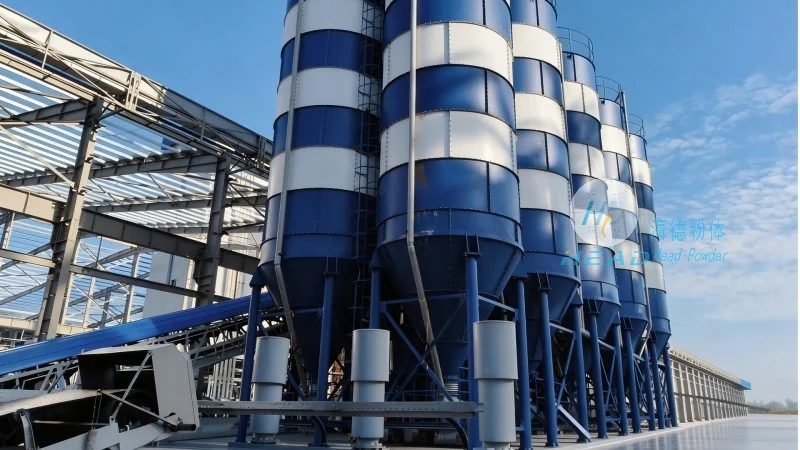
Understanding Carbon Black Conveying Methods
Carbon black can be transported using different methods, including mechanical conveying (like screw conveyors, belt conveyors) and pneumatic conveying. Mechanical methods are suitable for short-distance and low-volume transport, while pneumatic conveying is ideal for long-distance, high-volume, and dusty environments. The choice of conveying method depends on factors like material properties, distance, and operational requirements.
Pneumatic Conveying: A Comprehensive Overview
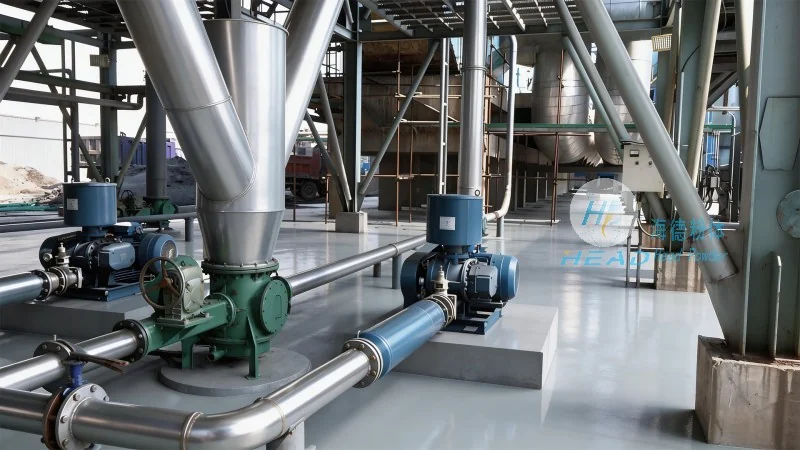
Pneumatic conveying, also known as air conveying, uses compressed air to move carbon black particles through a pipeline. This method offers several advantages over traditional mechanical systems. It provides a dust-free environment, reduces material degradation, and allows for flexible system design. The process involves generating a flow of air that carries the carbon black particles from the source to the destination, ensuring efficient and controlled transport.
Key Advantages of Pneumatic Conveying for Carbon Black
One of the primary benefits of pneumatic conveying is its ability to handle carbon black in a clean and controlled manner. Unlike mechanical systems that may cause particle attrition or contamination, pneumatic conveying minimizes these risks. Additionally, it enables the integration of multiple processing steps, such as blending and storage, within a single system. The flexibility of pneumatic systems allows for easy expansion or modification to meet changing production needs.
Technical Features and Considerations
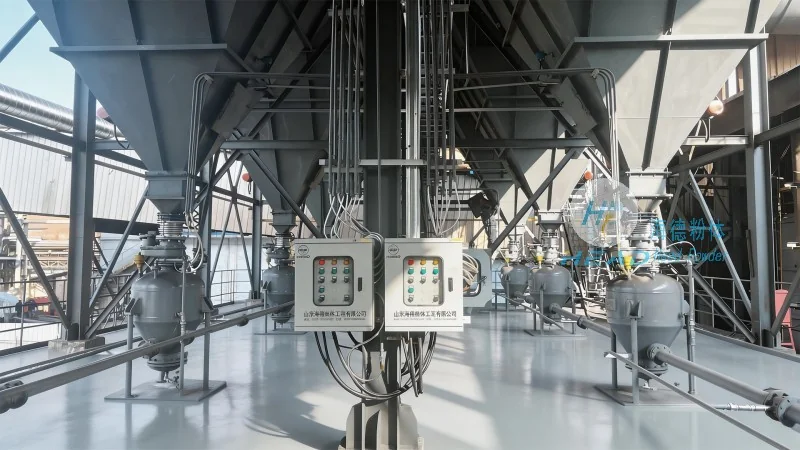
The effectiveness of pneumatic conveying systems for carbon black depends on several technical factors. The design of the pipeline, the type of air flow (positive or negative pressure), and the particle size distribution are crucial. Positive pressure systems use compressed air to push the material, while negative pressure systems use suction to draw the material. For carbon black, which is often fine and abrasive, positive pressure systems are commonly preferred as they provide better control and reduce the risk of blockages.
Application Examples and Real-World Implementation
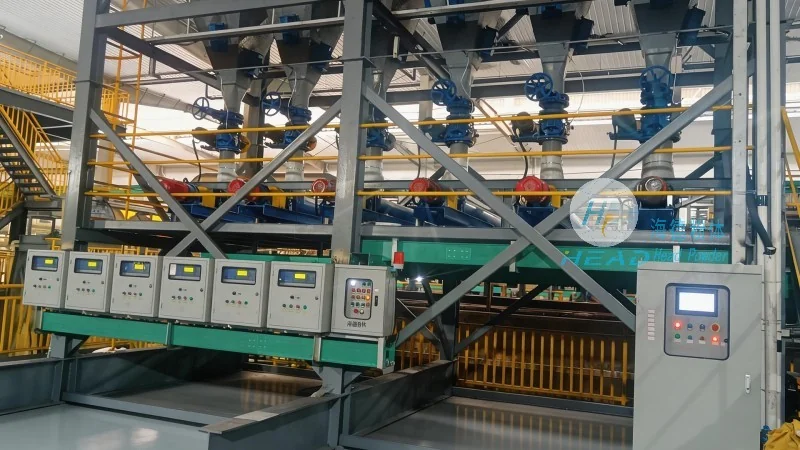
Many industrial facilities, particularly those involved in rubber and plastic manufacturing, have successfully implemented pneumatic conveying systems for carbon black transport. For instance, a tire manufacturing plant in China utilizes a large-scale pneumatic system to move carbon black from storage silos to mixing stations. The system ensures consistent material flow and maintains a dust-free environment, contributing to higher product quality and operational efficiency.
Conclusion and Company Profile
Pneumatic conveying is a highly effective method for transporting carbon black, offering significant advantages in terms of efficiency, safety, and material handling. As the demand for high-quality carbon black products grows, the adoption of advanced conveying technologies becomes increasingly important. Shandong HeadPowder Engineering Co., Ltd., a leading provider of carbon black processing solutions, specializes in designing and manufacturing customized pneumatic conveying systems tailored to the specific needs of industrial clients. With a focus on innovation and quality, HeadPowder ensures that its systems meet the highest standards of performance and reliability, supporting the seamless operation of carbon black production and processing facilities worldwide.

 Công ty TNHH Kỹ thuật Công trình Bột Hải Đức Sơn Đông
 156-6277-7102(Quản lý Trương)
  0531-83386006
  Quận Chương Khâu, Thành phố Tế Nam, Tỉnh Sơn Đông, Trung Quốc
Điện thoại
WeChatTư vấn
Lên đầu