Công ty Hải Đức Bột với hơn 10 năm kinh nghiệm vận chuyển khí, cung cấp hệ thống‑thiết bị‑quạt gió và nhận dự án tổng thầu bột cả nước
Molybdenum oxide, a critical compound in numerous industrial applications, necessitates efficient and safe transportation methods to preserve its integrity and comply with safety regulations. The process of transporting molybdenum oxide involves several common approaches tailored to varying operational needs and logistical requirements. Understanding these methods is vital for industries that rely on molybdenum oxide for manufacturing, research, or other industrial processes.
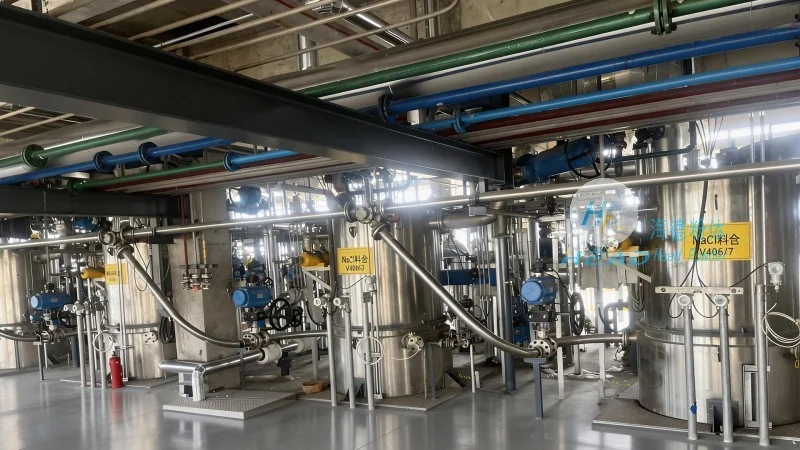
Key Considerations in Molybdenum Oxide Transportation
Before examining specific transportation methods, it is essential to consider the inherent properties of molybdenum oxide. This compound is typically a fine powder with a high density and can be reactive under certain conditions. Therefore, transportation methods must address issues such as dust control, material handling, and environmental protection. The choice of method also depends on the volume of material being transported, the distance involved, and the destination's requirements. For instance, bulk shipments may require different approaches compared to smaller, more frequent deliveries.
Common Transportation Methods for Molybdenum Oxide
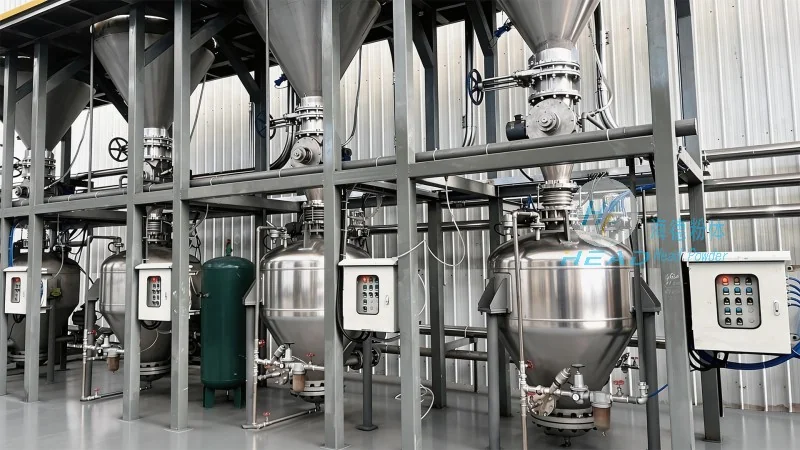
One of the most common methods for transporting molybdenum oxide is through pipelines. This method is particularly effective for large-scale industrial operations where the material is produced and consumed on-site. Pipelines allow for continuous and automated flow, reducing the risk of human error and minimizing exposure to the material. The pipeline system typically includes specialized equipment such as pumps, valves, and filters to maintain the purity and consistency of the molybdenum oxide. Additionally, the pipeline is often enclosed and sealed to prevent dust emissions and ensure safety. This method is widely used in plants that produce molybdenum oxide as a byproduct or in facilities that process it for further use.
Another prevalent method is the use of bulk containers, such as tank trucks or railcars. These containers are designed to transport large quantities of molybdenum oxide in bulk form. Tank trucks are commonly used for shorter distances, while railcars are preferred for longer routes, especially when the material needs to be transported across regions. The containers are equipped with features like airtight seals and dust suppression systems to prevent the release of fine particles. The transportation process involves loading the material into the container under controlled conditions, ensuring that the material does not agglomerate or degrade during transit. This method is suitable for both internal and external transportation, connecting production facilities with end-users or other processing plants.
For smaller quantities or more specialized applications, packaging in sealed containers is a common approach. These containers, such as plastic or metal drums, are used to transport molybdenum oxide in smaller batches. The containers are typically labeled with hazard information and handling instructions to ensure safety during transportation. The packaging must meet regulatory standards to prevent leaks or spills. This method is often used for research laboratories, small-scale manufacturers, or when the material is being transported to a specific destination that requires precise quantities. The sealed containers also help maintain the quality of the molybdenum oxide by protecting it from moisture, air, and other contaminants.
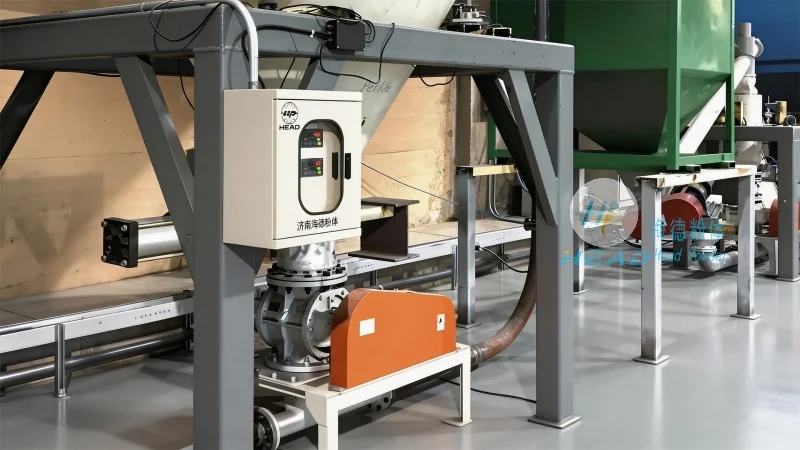
Logistics and Safety Measures in Molybdenum Oxide Transportation
Regardless of the transportation method chosen, adherence to safety and logistical protocols is paramount. Molybdenum oxide is classified as a hazardous material due to its potential to cause respiratory issues and other health concerns if inhaled or ingested. Therefore, all transportation activities must follow strict safety guidelines. This includes proper training for personnel involved in loading, unloading, and handling the material. Personal protective equipment (PPE) such as respirators, gloves, and protective clothing is mandatory to minimize exposure risks. Additionally, the transportation vehicles and containers must be inspected regularly to ensure they are in good condition and free from defects that could lead to leaks or accidents.
Regulatory compliance is another critical aspect of molybdenum oxide transportation. Different regions have specific regulations regarding the handling and transport of hazardous materials. Companies must ensure that their transportation methods and procedures comply with these regulations to avoid legal issues and ensure the safety of the public and the environment. This includes obtaining necessary permits, following designated routes, and maintaining proper documentation of the transportation process. The use of specialized transportation companies or contractors who are experienced in handling hazardous materials can also help ensure compliance and safety.
Role of Shandong HeadPowder Engineering Co., Ltd. in Molybdenum Oxide Transportation
Shandong HeadPowder Engineering Co., Ltd., a leading company in the molybdenum oxide industry, plays a significant role in the transportation of this compound. The company specializes in the production, processing, and transportation of molybdenum oxide, providing comprehensive solutions to its clients. With its headquarters in Shandong, China, the company leverages its local expertise and infrastructure to ensure efficient and safe transportation of molybdenum oxide to various destinations. The company employs advanced transportation methods and adheres to strict safety standards to meet the needs of its clients. By offering tailored transportation solutions, Shandong HeadPowder Engineering Co., Ltd. helps its clients maintain the quality and integrity of molybdenum oxide throughout the supply chain. The company's commitment to safety and compliance ensures that its transportation services are reliable and trustworthy, making it a preferred choice for industries that rely on molybdenum oxide.

 Công ty TNHH Kỹ thuật Công trình Bột Hải Đức Sơn Đông
 156-6277-7102(Quản lý Trương)
  0531-83386006
  Quận Chương Khâu, Thành phố Tế Nam, Tỉnh Sơn Đông, Trung Quốc
Điện thoại
WeChatTư vấn
Lên đầu