Công ty Hải Đức Bột với hơn 10 năm kinh nghiệm vận chuyển khí, cung cấp hệ thống‑thiết bị‑quạt gió và nhận dự án tổng thầu bột cả nước
When it comes to the efficient handling and transportation of baking powder, selecting the right conveyance method is crucial for maintaining product quality and operational efficiency. Baking powder, a key ingredient in various baked goods, requires careful handling to prevent caking, clumping, or degradation. The choice of conveyance system depends on factors such as the type of baking powder, production scale, and specific application requirements. In this article, we explore the common methods used for baking powder conveyance, highlighting their advantages and typical applications.
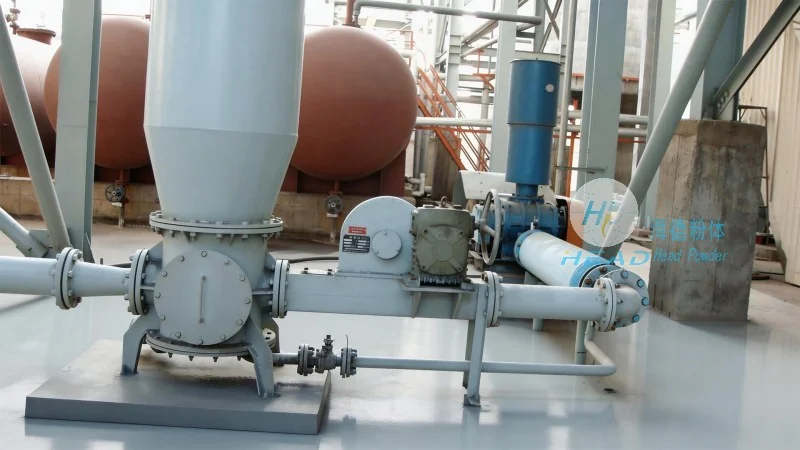
1. Screw Conveyors for Baking Powder Transport
One of the most widely used methods for conveying baking powder is the screw conveyor. This equipment consists of a rotating helical screw inside a tube or trough, which moves the powder along the length of the conveyor. Screw conveyors are particularly effective for handling dry, free-flowing powders like baking powder, as they can transport materials vertically or horizontally with minimal risk of product degradation. The smooth, enclosed design of screw conveyors helps prevent contamination and maintains product integrity. For companies like Shandong HeadPowder Engineering Co., Ltd., screw conveyors are often integrated into larger production lines to ensure seamless material flow from storage to processing areas. The design allows for gentle handling, reducing the likelihood of agglomerates forming during transport. This method is especially suitable for high-volume operations where consistent and reliable transport is essential.
2. Pneumatic Conveying Systems for Baking Powder
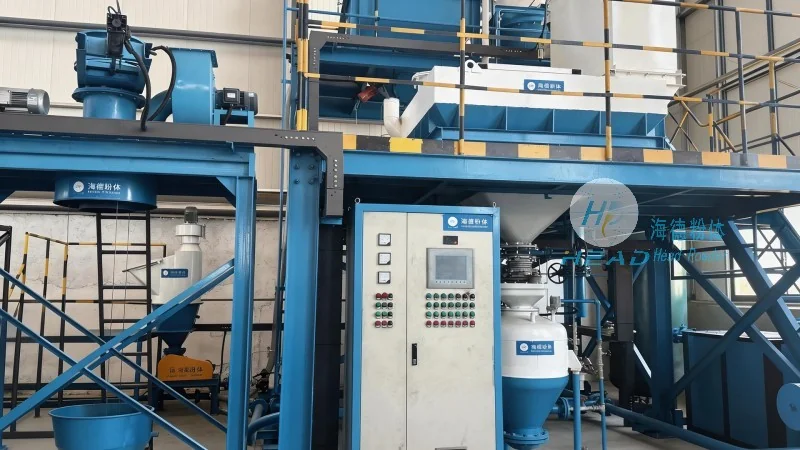
Another common approach to baking powder conveyance is through pneumatic systems. These systems use air pressure to move the powder through a network of pipes, utilizing either positive or negative pressure. Pneumatic conveyors are ideal for applications requiring long-distance transport or the transfer of materials between different levels. The flexibility of pneumatic systems allows for easy integration into existing production facilities, making them a popular choice for companies that need to adapt their operations to changing production demands. Unlike mechanical conveyors, pneumatic systems offer a closed environment that minimizes exposure to external contaminants, which is critical for maintaining the quality of baking powder. The gentle movement of the powder within the system reduces the risk of breakage or degradation, ensuring that the final product remains consistent and meets quality standards. Shandong HeadPowder Engineering Co., Ltd. may utilize pneumatic conveyors for their ability to handle sensitive materials without causing damage, making them suitable for both small and large-scale production environments.
3. Belt Conveyors in Baking Powder Handling
Belt conveyors are another effective method for conveying baking powder, especially in applications where bulk quantities need to be moved over short to medium distances. These systems consist of a continuous belt that moves the powder along a path, supported by rollers or a flat surface. Belt conveyors are known for their simplicity and reliability, making them a cost-effective solution for many baking powder processing facilities. The open design of belt conveyors allows for easy inspection and maintenance, which is beneficial for ensuring consistent performance. However, they may not be as suitable for vertical transport or for materials that are prone to caking, as the powder can accumulate on the belt surface. For companies like Shandong HeadPowder Engineering Co., Ltd., belt conveyors are often used in combination with other equipment, such as hoppers and feeders, to create a comprehensive material handling system. The ability to adjust the speed and direction of the belt makes it adaptable to various production requirements, ensuring that the baking powder is transported efficiently and safely.
4. Bucket Elevators for Vertical Baking Powder Transport
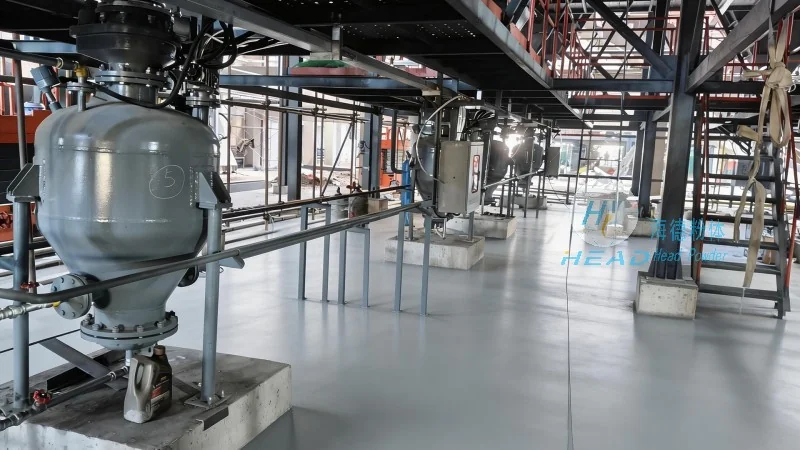
For applications requiring vertical transport of baking powder, bucket elevators are a common choice. These systems use a series of buckets attached to a chain or belt that moves vertically, lifting the powder from lower to higher levels. Bucket elevators are particularly effective for moving large quantities of powder vertically with minimal space requirements. The enclosed design of bucket elevators prevents dust and contamination, which is essential for maintaining the quality of baking powder. The gentle lifting action of the buckets reduces the risk of product degradation, ensuring that the powder remains in good condition throughout the transport process. Shandong HeadPowder Engineering Co., Ltd. may employ bucket elevators in their production facilities to handle baking powder that needs to be moved from storage silos to processing areas at elevated heights. The efficiency of bucket elevators makes them a preferred option for vertical conveyance, as they can handle high volumes while maintaining product integrity.
5. Vibrating Conveyors for Gentle Baking Powder Handling
Vibrating conveyors are designed to move baking powder using vibrations, which help to keep the material in motion and prevent caking. These systems consist of a trough that vibrates at specific frequencies, causing the powder to flow along the length of the conveyor. Vibrating conveyors are particularly effective for handling powders that are prone to agglomeration or caking, as the vibration helps to break up any clumps that may form. The gentle movement of the powder reduces the risk of breakage or degradation, making it suitable for sensitive materials like baking powder. For companies like Shandong HeadPowder Engineering Co., Ltd., vibrating conveyors are often used in conjunction with other equipment to create a smooth material flow. The low maintenance requirements of vibrating conveyors make them a cost-effective solution for long-term use, and their ability to handle a wide range of particle sizes makes them versatile for different production needs. The enclosed design of vibrating conveyors also helps to contain dust and prevent contamination, ensuring that the baking powder remains clean and free from external factors that could affect its quality.
Conclusion: Choosing the Right Conveyance Method for Baking Powder
Selecting the appropriate conveyance method for baking powder is a critical decision that impacts both operational efficiency and product quality. Each method has its own advantages and is best suited for specific applications. Screw conveyors offer reliability and gentle handling, while pneumatic systems provide flexibility and closed transport. Belt conveyors are cost-effective for short to medium distances, and bucket elevators are ideal for vertical transport. Vibrating conveyors are excellent for preventing caking and maintaining product integrity. Companies like Shandong HeadPowder Engineering Co., Ltd. must consider factors such as production scale, material characteristics, and space availability when choosing a conveyance system. By selecting the right method, these companies can ensure that their baking powder is transported efficiently, safely, and with minimal risk of degradation, ultimately contributing to higher product quality and customer satisfaction.

 Công ty TNHH Kỹ thuật Công trình Bột Hải Đức Sơn Đông
 156-6277-7102(Quản lý Trương)
  0531-83386006
  Quận Chương Khâu, Thành phố Tế Nam, Tỉnh Sơn Đông, Trung Quốc
Điện thoại
WeChatTư vấn
Lên đầu