Công ty Hải Đức Bột với hơn 10 năm kinh nghiệm vận chuyển khí, cung cấp hệ thống‑thiết bị‑quạt gió và nhận dự án tổng thầu bột cả nước
When it comes to the efficient and reliable transport of gypsum powder, selecting the right conveying method is crucial for industrial operations. Gypsum powder, a key material in construction and manufacturing, requires specialized handling to prevent dust, maintain product integrity, and ensure smooth workflow. Shandong HeadPowder Engineering Co., Ltd., a leading manufacturer of industrial conveying equipment, offers a range of solutions tailored to the unique needs of gypsum powder handling. The following sections outline common methods used for gypsum powder conveying, each with its own advantages and applications.
1. Screw Conveyors for Gypsum Powder
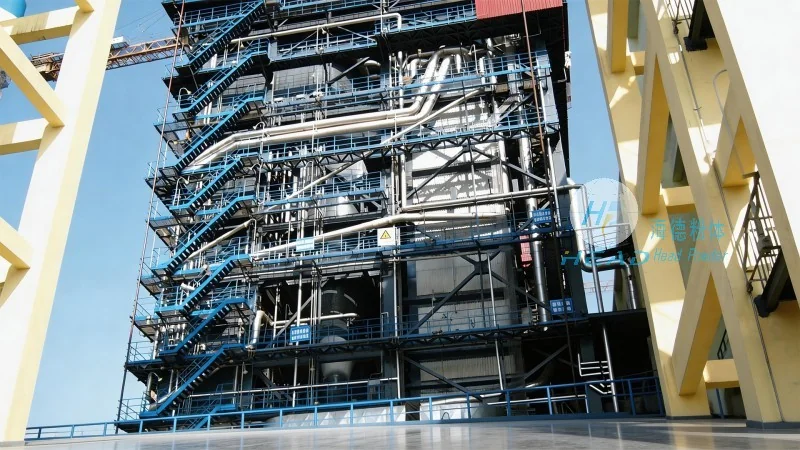
Screw conveyors, also known as auger conveyors, are widely used for gypsum powder transport due to their simplicity and effectiveness. These systems consist of a rotating helical screw inside a trough, which moves material from one point to another through gravitational force and the screw's rotation. For gypsum powder, screw conveyors are particularly effective when the material is relatively dry and free-flowing. They are commonly employed in processing plants, where the powder needs to be moved from storage silos to mixing or packaging areas. The enclosed design of screw conveyors helps minimize dust dispersion, making them suitable for indoor or controlled environments. Additionally, screw conveyors can handle vertical as well as horizontal transport, providing flexibility in system layout. However, they may not be ideal for very fine or cohesive gypsum powders, as these can cause blockages or reduced efficiency. Proper maintenance, such as regular cleaning and lubrication, is essential to ensure consistent performance.
2. Pneumatic Conveying Systems
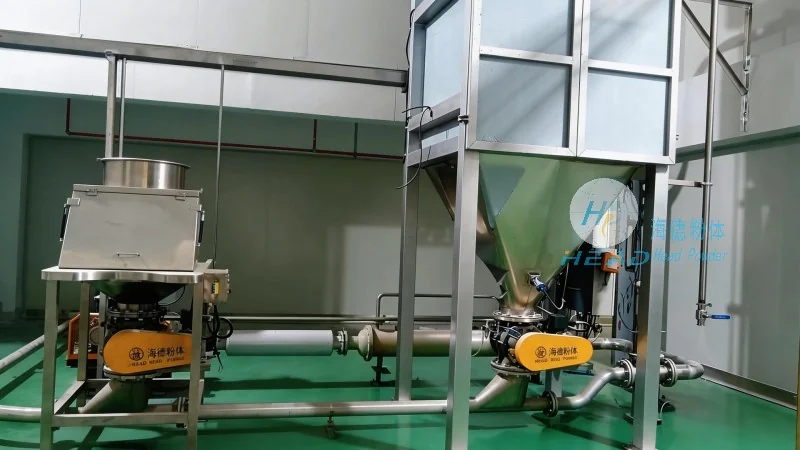
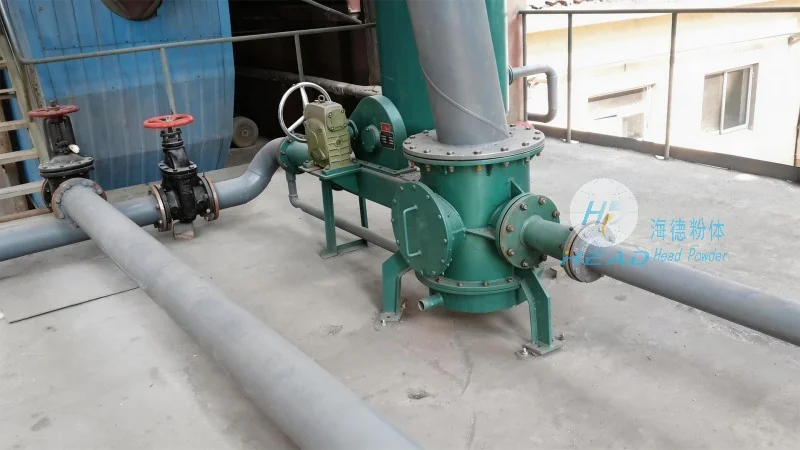
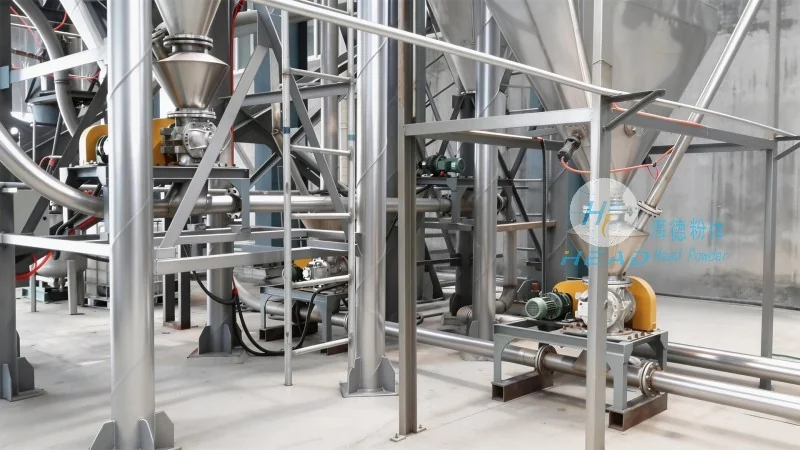
Pneumatic conveying, or air-powered transport, is another common method for gypsum powder handling. This technique uses compressed air to move the powder through a pipeline, either in a dilute-phase or dense-phase mode. Dilute-phase systems are suitable for relatively low-concentration powder flows, where the material is suspended in air and transported over longer distances. Dense-phase systems, on the other hand, use higher air pressure to push the powder in a more concentrated form, reducing the risk of material degradation and ensuring better control over flow rates. Pneumatic conveying offers advantages such as high transport speeds, minimal product contamination, and the ability to handle both dry and slightly moist gypsum powders. It is often used in applications where the powder needs to be transported from one facility to another or to different processing stages. However, pneumatic systems require significant energy input and may be more complex to install and maintain compared to mechanical conveyors. Proper filtration and air treatment are necessary to prevent dust accumulation and maintain air quality in the system.

 Công ty TNHH Kỹ thuật Công trình Bột Hải Đức Sơn Đông
 156-6277-7102(Quản lý Trương)
  0531-83386006
  Quận Chương Khâu, Thành phố Tế Nam, Tỉnh Sơn Đông, Trung Quốc
Điện thoại
WeChatTư vấn
Lên đầu