Công ty Hải Đức Bột với hơn 10 năm kinh nghiệm vận chuyển khí, cung cấp hệ thống‑thiết bị‑quạt gió và nhận dự án tổng thầu bột cả nước
When it comes to the efficient handling and transportation of sulfur powder, selecting the right conveying method is crucial for maintaining product quality, minimizing downtime, and ensuring operational safety. Sulfur powder, known for its fine texture and potential for dust generation, requires specialized equipment and systems to handle its unique properties. In this article, we explore the common methods used for sulfur powder conveying, highlighting the advantages and considerations of each approach.
Understanding Sulfur Powder and Its Conveying Challenges
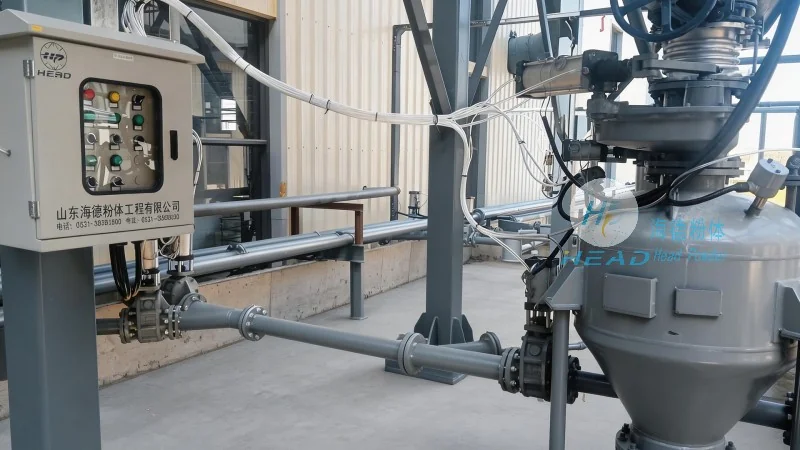
Sulfur powder is a fine, granular material often used in various industrial applications, including chemical processing, fertilizer production, and pharmaceutical manufacturing. Its properties, such as low bulk density and high dust propensity, make traditional conveying methods less effective and potentially hazardous. Effective conveying systems must address issues like dust control, material flow consistency, and equipment durability to meet the demands of modern industrial operations.
Common Methods for Sulfur Powder Conveying
Several methods are commonly employed for sulfur powder conveying, each with its own set of advantages and limitations. The choice of method depends on factors like the volume of material to be handled, the distance of transport, and the specific requirements of the application. Below are some of the most prevalent techniques used in the industry.
1. Air-Pneumatic Conveying Systems
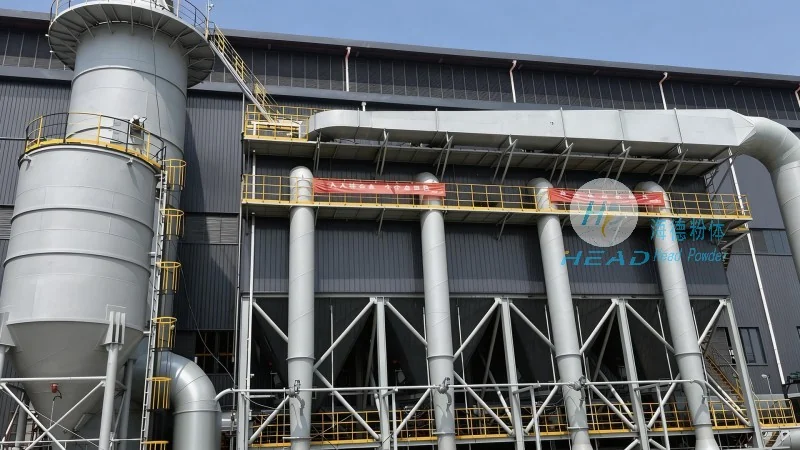
Air-pneumatic conveying, also known as pneumatic conveying, is one of the most popular methods for sulfur powder transport. This system uses compressed air to move the material through a pipeline. There are two main types: pressure and vacuum systems. Pressure systems push the material forward using positive pressure, while vacuum systems pull the material using negative pressure. The choice between the two depends on the distance and the amount of material to be conveyed. Air-pneumatic systems are ideal for long-distance transport and can handle both dry and slightly moist sulfur powders. They offer advantages such as dust-free operation, minimal material degradation, and the ability to transport materials over vertical and horizontal distances. However, they require proper air filtration and moisture control to prevent clogging and maintain system efficiency.
2. Screw Conveyors
Screw conveyors, also known as auger conveyors, are another common method for sulfur powder conveying. These systems use a rotating screw (auger) to move material along a trough. Screw conveyors are particularly effective for handling bulk quantities of sulfur powder over short to medium distances. They are relatively simple in design, requiring less maintenance compared to pneumatic systems. The screw design can be adjusted to handle different particle sizes and flow rates, making them versatile for various applications. However, screw conveyors may not be suitable for very fine or cohesive sulfur powders, as they can lead to material bridging or blockages. Proper lubrication and material flow control are essential to ensure smooth operation and prevent wear on the screw and trough.
3. Belt Conveyors
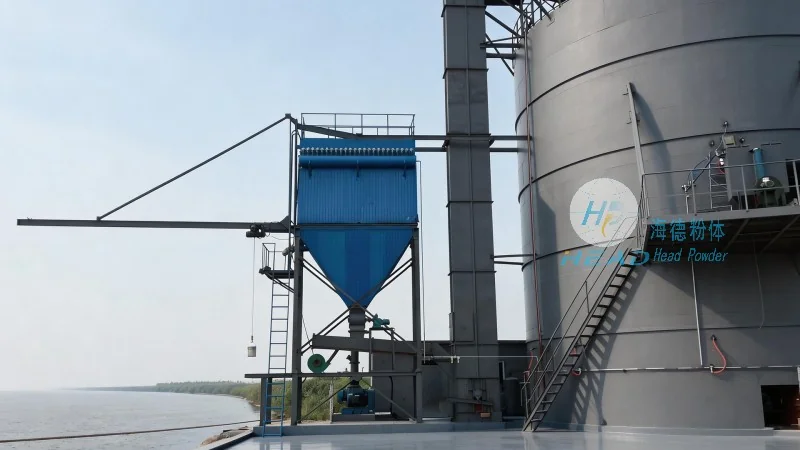
Belt conveyors are widely used in sulfur powder handling for transporting larger quantities of material over longer distances. These systems consist of a continuous belt that moves over rollers or idlers, carrying the sulfur powder from one point to another. Belt conveyors are highly efficient for horizontal and slight incline transport and can handle a wide range of material types, including sulfur powder. They offer advantages such as high capacity, low maintenance, and the ability to integrate with other processing equipment. However, belt conveyors require proper belt tensioning and cleaning to prevent material buildup and ensure consistent performance. Dust control measures, such as enclosures and air filtration, are necessary to comply with safety regulations and maintain a clean working environment.
4. Hydraulic Conveying
Hydraulic conveying systems use a liquid medium, typically water or a slurry, to transport sulfur powder. The material is mixed with the liquid to form a slurry, which is then pumped through a pipeline. This method is particularly effective for handling very fine or abrasive sulfur powders that are difficult to convey using other methods. Hydraulic conveying can handle high volumes of material over long distances and is often used in applications where dust control is a priority. However, it requires additional equipment for slurry preparation and separation, increasing the overall system complexity and maintenance requirements. The liquid medium also needs to be managed properly to prevent contamination and ensure environmental compliance.
5. Vibratory Conveyors
Vibratory conveyors use vibrations to move sulfur powder along a trough. These systems consist of a conveyor bed that vibrates at a specific frequency and amplitude, causing the material to move forward. Vibratory conveyors are suitable for handling bulk quantities of sulfur powder over short to medium distances and are particularly effective for materials with poor flow characteristics. They offer advantages such as low power consumption, minimal wear on components, and the ability to handle sticky or cohesive materials. However, vibratory conveyors may not be suitable for very fine powders, as they can cause excessive dust generation and material degradation. Proper vibration tuning and material flow control are essential to ensure efficient operation and prevent equipment damage.
Choosing the Right Conveying Method for Sulfur Powder
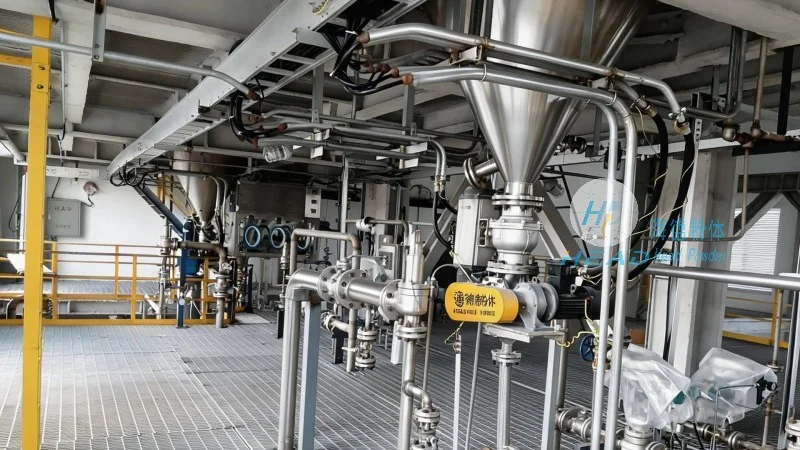
Selecting the appropriate conveying method for sulfur powder involves evaluating several factors, including the material's properties, the distance of transport, the required capacity, and the available budget. Each method has its strengths and weaknesses, and the optimal choice depends on the specific needs of the application. For example, air-pneumatic systems are ideal for long-distance transport and dust control, while screw conveyors are better suited for short-distance, bulk handling. Belt conveyors excel in high-capacity applications, and vibratory conveyors are effective for materials with poor flow characteristics.
Conclusion
Efficient sulfur powder conveying is essential for maintaining productivity and safety in industrial operations. By understanding the common methods available and their respective advantages, companies can select the most suitable system for their needs. Whether using air-pneumatic, screw, belt, hydraulic, or vibratory conveyors, proper system design, maintenance, and operation are critical to ensuring reliable and cost-effective material transport. As a leading provider of sulfur powder handling solutions, Shandong HeadPowder Engineering Co., Ltd. specializes in designing and manufacturing customized conveying systems tailored to the unique requirements of each application. With a focus on quality, reliability, and customer satisfaction, HeadPowder offers innovative solutions to meet the evolving needs of the industry.

 Công ty TNHH Kỹ thuật Công trình Bột Hải Đức Sơn Đông
 156-6277-7102(Quản lý Trương)
  0531-83386006
  Quận Chương Khâu, Thành phố Tế Nam, Tỉnh Sơn Đông, Trung Quốc
Điện thoại
WeChatTư vấn
Lên đầu