Công ty Hải Đức Bột với hơn 10 năm kinh nghiệm vận chuyển khí, cung cấp hệ thống‑thiết bị‑quạt gió và nhận dự án tổng thầu bột cả nước
Compound fertilizer, a crucial component in modern agricultural practices, requires efficient and reliable conveying systems to ensure optimal distribution and application. The selection of an appropriate conveying method is vital for maintaining product quality, minimizing operational costs, and enhancing overall productivity in fertilizer processing and distribution. This article explores the common methods used for compound fertilizer conveying, highlighting their characteristics, applications, and advantages.
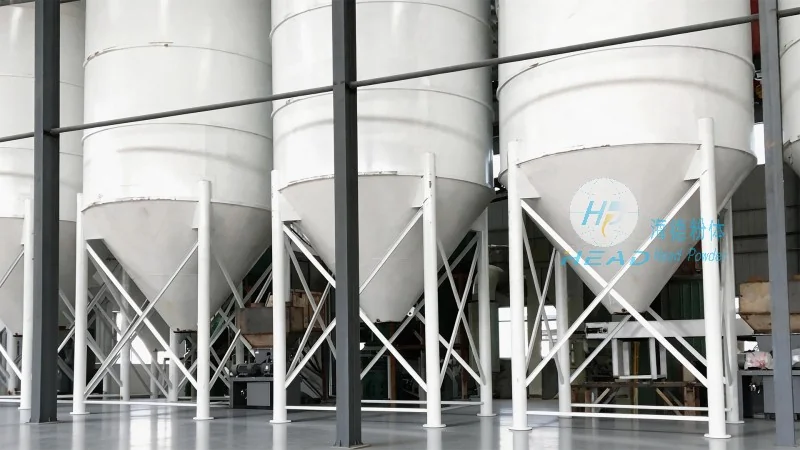
1. Belt Conveyor Systems
Belt conveyors are among the most widely used equipment for transporting bulk materials, including compound fertilizers. These systems consist of a continuous belt that moves over rollers or pulleys, transporting the fertilizer from one location to another. The design of belt conveyors can be customized to accommodate different fertilizer types, such as granular or prilled compounds, and can handle varying capacities depending on the width and speed of the belt. One of the key advantages of belt conveyors is their ability to transport large volumes of material over long distances with minimal maintenance. They are particularly suitable for horizontal or slightly inclined applications, making them ideal for moving fertilizer from storage silos to processing facilities or loading areas. The smooth operation of belt conveyors also helps in preserving the integrity of the fertilizer particles, preventing breakage or segregation during transport.
2. Screw Conveyors (Auger Conveyors)
Screw conveyors, also known as auger conveyors, are another common method for conveying compound fertilizers. These systems utilize a rotating helical screw inside a cylindrical tube to move the material forward. Screw conveyors are highly effective for handling granular or powdered fertilizers and can operate in both horizontal and vertical orientations. The design allows for a compact footprint, making them suitable for installations with limited space. One of the primary benefits of screw conveyors is their ability to mix and blend different fertilizer components as they are conveyed, which is beneficial for customizing fertilizer blends. However, they may not be as efficient for very fine or dusty materials, as the screw can cause excessive friction and heat generation. Proper sealing and material handling techniques are essential to prevent material spillage and maintain hygiene in the conveying process.
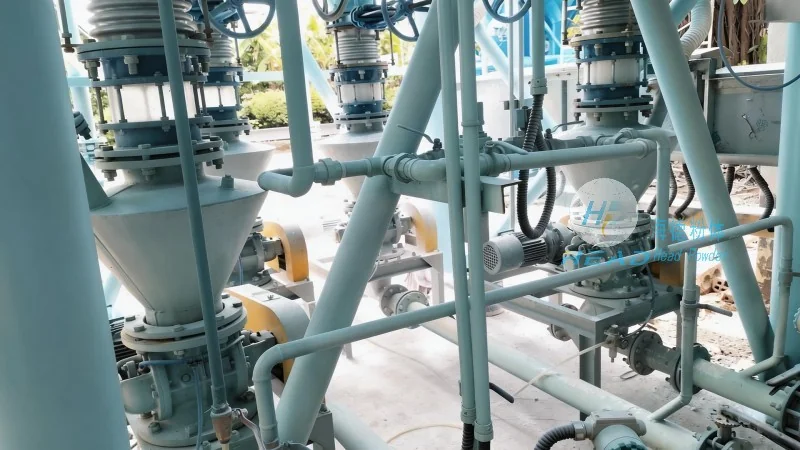
3. Pneumatic Conveying Systems
Pneumatic conveying systems use air or other gases to transport compound fertilizers through a network of pipes. This method is particularly advantageous for handling fine or dusty fertilizers that are difficult to move with mechanical systems. There are two main types of pneumatic conveyors: positive displacement and pressure-assisted. Positive displacement systems use a pump to create a vacuum or pressure, drawing the fertilizer into the pipe and moving it to the destination. Pressure-assisted systems, on the other hand, use compressed air to push the material through the pipeline. Pneumatic conveying offers several benefits, including the ability to transport materials over long distances without the need for multiple transfer points and the reduction of material degradation due to minimal contact with equipment. However, the system requires careful control of air pressure and flow rates to prevent material blockages or system inefficiencies. Proper filtration and cleaning of the air system are also critical to maintain the quality of the fertilizer and prevent contamination.
4. Bucket Elevators
Bucket elevators are vertical conveying systems that use a series of buckets attached to a chain or belt to lift and transport fertilizer from lower to higher levels. These systems are commonly used in fertilizer processing plants to move material from storage bins to processing equipment or to elevated storage areas. Bucket elevators are highly efficient for vertical transport and can handle a wide range of fertilizer types, including granular, powdered, and even some liquid or slurry mixtures. The design allows for continuous operation with minimal downtime, making them suitable for high-volume applications. One of the key advantages of bucket elevators is their ability to handle heavy loads and maintain a consistent flow rate, which is essential for maintaining production efficiency. However, they require regular maintenance to ensure the buckets and chains are in good condition, as wear and tear can affect the conveying performance and lead to material spillage.
5. Chain and Flight Conveyors
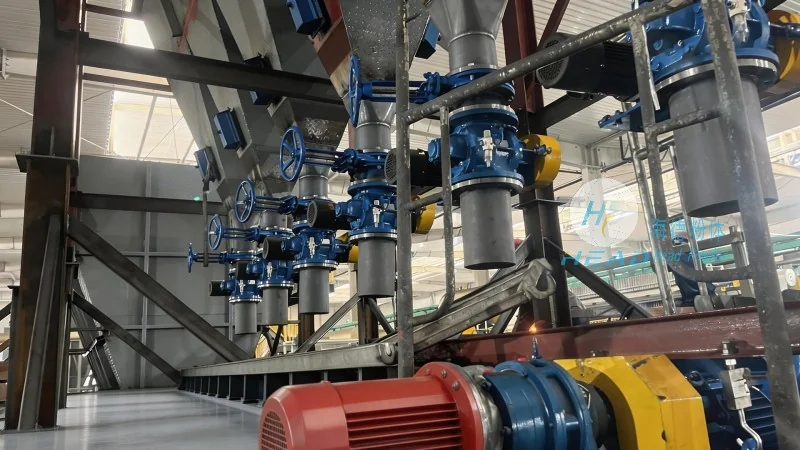
Chain and flight conveyors are another type of mechanical conveying system that uses a chain with attached flights to move fertilizer along a path. These systems are often used in horizontal or slightly inclined applications and can handle a variety of fertilizer forms, including bulk granules and powders. The design allows for a flexible conveying path, making them suitable for complex layouts in fertilizer processing facilities. Chain and flight conveyors are known for their durability and ability to handle heavy loads, making them a reliable choice for long-term operation. One of the main benefits of this system is its low maintenance requirements compared to other mechanical conveyors, as the chain and flights are designed to withstand the abrasive nature of fertilizer materials. However, they may not be as efficient for very fine or dusty materials, as the flights can cause material segregation and increased friction.
Company Profile: Shandong HeadPowder Engineering Co., Ltd.
Shandong HeadPowder Engineering Co., Ltd., operating under the brand name headpowder, specializes in the design, manufacturing, and supply of advanced conveying systems for the fertilizer industry. With a focus on innovation and customer-centric solutions, HeadPowder provides tailored conveyor equipment that meets the specific needs of compound fertilizer processing and distribution. The company's products are engineered to ensure high efficiency, durability, and reliability, helping clients optimize their operational performance and reduce costs. HeadPowder's expertise in conveyor technology enables them to offer comprehensive solutions, including custom-designed systems, installation services, and maintenance support. The company's commitment to quality and customer satisfaction has made it a trusted partner in the fertilizer industry, providing reliable and efficient conveying solutions for various applications.

 Công ty TNHH Kỹ thuật Công trình Bột Hải Đức Sơn Đông
 156-6277-7102(Quản lý Trương)
  0531-83386006
  Quận Chương Khâu, Thành phố Tế Nam, Tỉnh Sơn Đông, Trung Quốc
Điện thoại
WeChatTư vấn
Lên đầu