Công ty Hải Đức Bột với hơn 10 năm kinh nghiệm vận chuyển khí, cung cấp hệ thống‑thiết bị‑quạt gió và nhận dự án tổng thầu bột cả nước
When it comes to the efficient and reliable transportation of rubber granules, selecting the right conveying method is crucial for optimizing industrial processes. Rubber granules, often used in various applications such as flooring, sports surfaces, and manufacturing, require specialized handling due to their size, density, and potential for dust generation. The choice of conveying system not only impacts operational efficiency but also affects product quality and workplace safety. In this article, we will explore the common methods used for rubber granule conveying, highlighting their advantages, applications, and key considerations. This information is provided by Shandong HeadPowder Engineering Co., Ltd., a leading manufacturer of rubber granule handling solutions based in China.
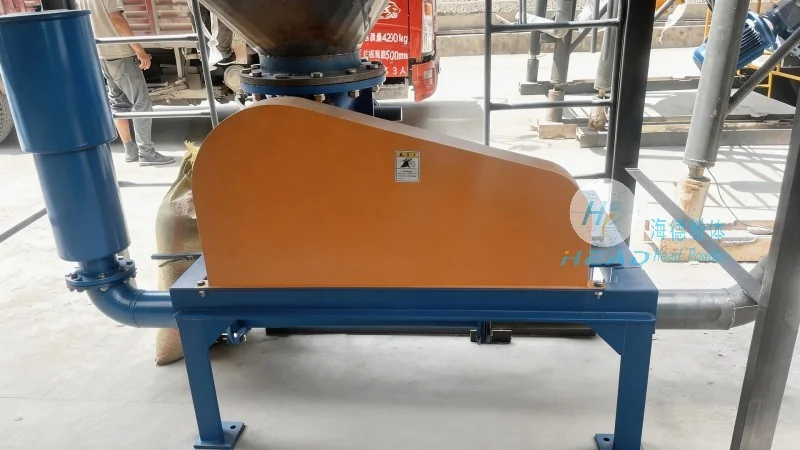
1. Belt Conveyor Systems for Rubber Granule Transport
Belt conveyors are among the most widely used methods for rubber granule transportation due to their versatility and ability to handle a wide range of materials. These systems consist of a continuous loop of belt, supported by rollers or pulleys, which moves the granules from one location to another. The design of the belt conveyor can be customized to accommodate different rubber granule sizes, from fine powders to larger chunks, making it suitable for various industrial settings. One of the primary advantages of belt conveyors is their high capacity and continuous operation, which ensures a steady flow of materials. They are particularly effective in applications where long-distance transport is required, as the belt can be extended over considerable distances without significant loss of efficiency. Additionally, belt conveyors are relatively low maintenance and can be integrated with other processing equipment, such as screening or sorting machines, to form a complete production line. The smooth operation of belt conveyors also minimizes product degradation, as the granules are not subjected to excessive friction or impact during transport. However, it is important to consider factors like the belt material and tensioning system, as these affect the conveyor's performance and longevity. For instance, rubber belts are commonly used to prevent slippage and ensure consistent movement of the granules. The design of the idler rollers and pulley system also plays a critical role in maintaining the belt's alignment and preventing wear. In industrial settings, belt conveyors are often used in combination with other equipment to form a seamless workflow, such as feeding raw rubber granules into a mixing or compounding machine. This integration enhances overall productivity and reduces the need for manual handling, which can be hazardous in environments with dust or debris. The adaptability of belt conveyors makes them a preferred choice for many manufacturers, as they can be easily modified to suit changing production needs. Whether used in a small-scale operation or a large-scale industrial plant, belt conveyors provide a reliable solution for rubber granule conveying.
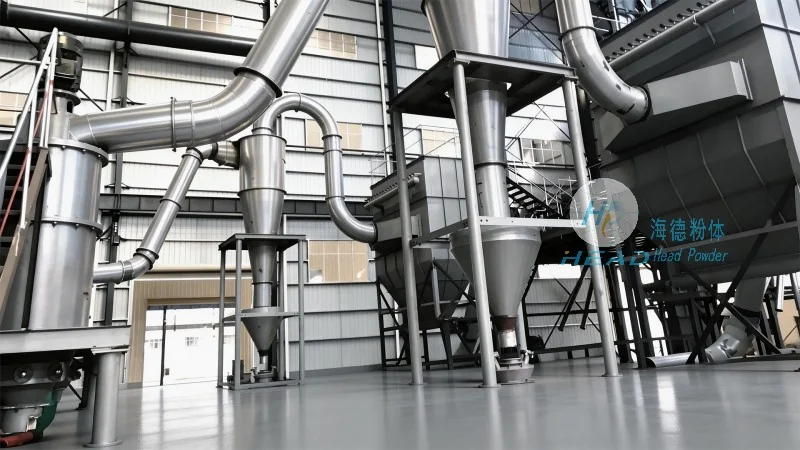
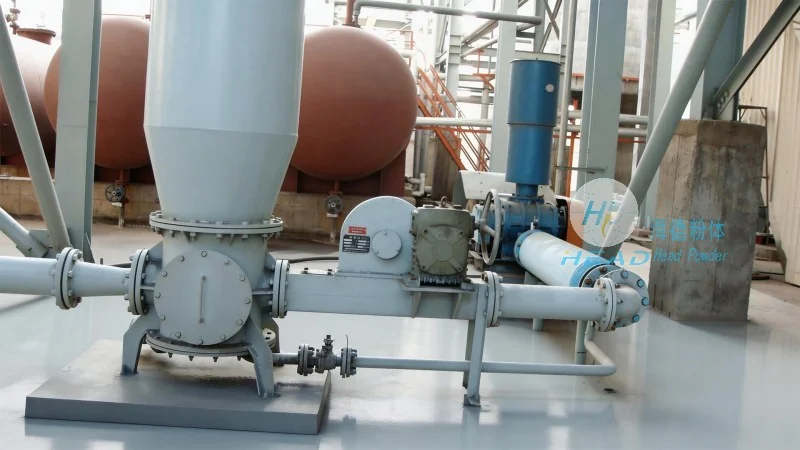
2. Screw Conveyors for Efficient Rubber Granule Handling
Screw conveyors, also known as auger conveyors, are another common method for transporting rubber granules. These systems utilize a rotating screw or auger to move materials along a trough or tube. The screw, which is typically made of metal or high-density plastic, rotates within a housing, pushing the granules forward. Screw conveyors are particularly effective for handling dry, free-flowing materials like rubber granules, as they can maintain a consistent flow rate without the need for external power sources beyond the motor driving the screw. One of the key advantages of screw conveyors is their compact design, which allows for installation in confined spaces where other conveying systems may not fit. This makes them ideal for use in small-scale production lines or in areas with limited floor space. The enclosed design of screw conveyors also helps to contain dust and prevent contamination, which is crucial for maintaining product quality. Additionally, screw conveyors are relatively low-cost to install and maintain, making them an economical choice for many businesses. They are particularly suitable for transporting rubber granules that are prone to dust generation, as the enclosed system prevents the granules from escaping and contaminating the surrounding environment. The speed of the screw rotation can be adjusted to control the flow rate of the granules, allowing for precise control over the conveying process. This is especially important in applications where the granules need to be fed into a processing machine at a specific rate. Screw conveyors are also capable of handling inclined or vertical transport, which can be advantageous in facilities where space is limited or where the need to move materials to different levels exists. However, it is important to consider the potential for material buildup on the screw surface, which can affect the conveyor's efficiency over time. Regular cleaning and maintenance are necessary to ensure optimal performance. In industrial applications, screw conveyors are often used in conjunction with other equipment, such as hoppers or storage bins, to form a complete material handling system. This integration enhances the overall efficiency of the production process, as the granules are moved from storage to processing without the need for manual intervention. The reliability of screw conveyors makes them a popular choice for rubber granule transportation, especially in environments where consistent and continuous operation is required.

 Công ty TNHH Kỹ thuật Công trình Bột Hải Đức Sơn Đông
 156-6277-7102(Quản lý Trương)
  0531-83386006
  Quận Chương Khâu, Thành phố Tế Nam, Tỉnh Sơn Đông, Trung Quốc
Điện thoại
WeChatTư vấn
Lên đầu