Công ty Hải Đức Bột với hơn 10 năm kinh nghiệm vận chuyển khí, cung cấp hệ thống‑thiết bị‑quạt gió và nhận dự án tổng thầu bột cả nước
Shandong HeadPowder Engineering Co., Ltd., a leading enterprise in the field of bulk material handling solutions, specializes in providing efficient and reliable systems for coal ash particle conveyance. With years of experience and a commitment to technological innovation, the company has become a trusted partner for clients seeking advanced solutions to manage coal ash transportation challenges. This article explores the common methods used for coal ash particle conveying, highlighting the key considerations and applications of each approach.
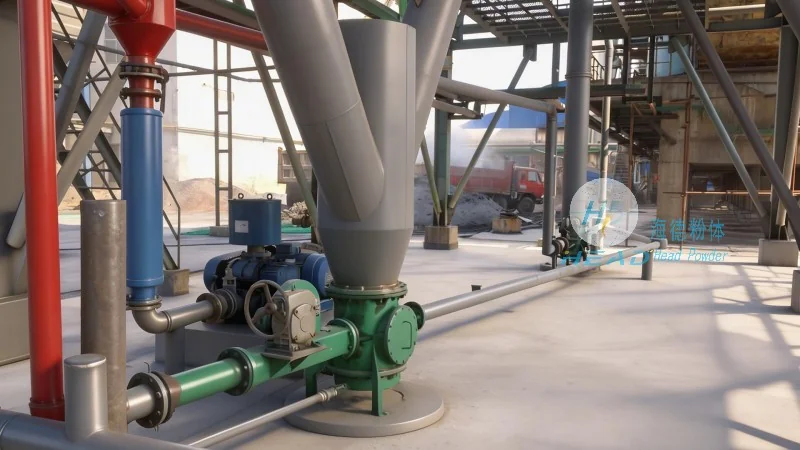
Overview of Coal Ash Particle Conveying Systems
Coal ash, a byproduct of coal combustion in power plants, poses unique challenges in terms of handling and transportation due to its fine particle size and potential for dust generation. Effective conveyance systems are crucial for maintaining operational efficiency, ensuring environmental compliance, and minimizing health risks associated with coal ash handling. The methods employed for coal ash particle conveyance can be broadly categorized into mechanical and pneumatic systems, each with distinct advantages and applications.
Common Mechanical Conveying Methods
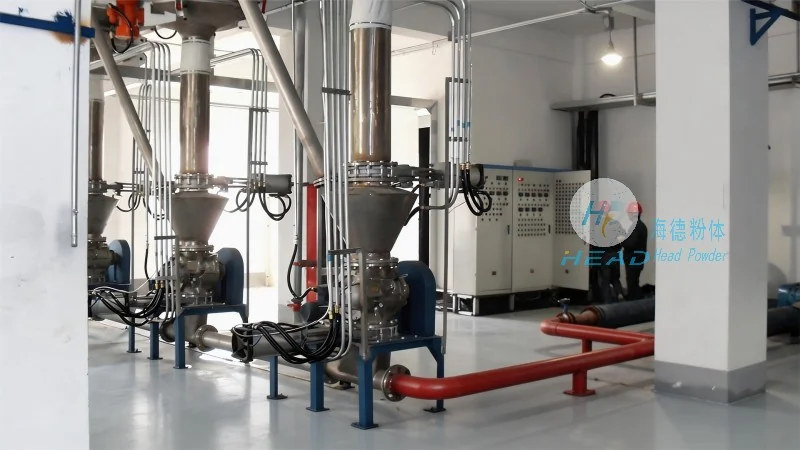
Mechanical conveyors are widely used for coal ash particle transportation due to their robust design and ability to handle large volumes of material. These systems typically involve the use of components such as belts, buckets, or screws to move particles from one location to another. One of the most common mechanical methods is the belt conveyor, which utilizes a continuous belt to transport coal ash particles over long distances. Belt conveyors are particularly suitable for horizontal or slightly inclined applications, offering high capacity and low maintenance requirements. The design of belt conveyors for coal ash handling often includes features like heavy-duty belts, reinforced idlers, and dust-proof enclosures to ensure safe and efficient operation. Another mechanical option is the bucket elevator, which uses a series of buckets attached to a rotating drum to lift and transport coal ash vertically. Bucket elevators are ideal for vertical or steeply inclined conveyance, providing a compact solution for moving material between different levels. Screw conveyors, also known as auger conveyors, utilize a rotating screw to push coal ash particles forward. These systems are well-suited for handling fine coal ash particles and can operate in both horizontal and inclined configurations. Screw conveyors are often used in processing plants where material needs to be mixed or transferred to other equipment.
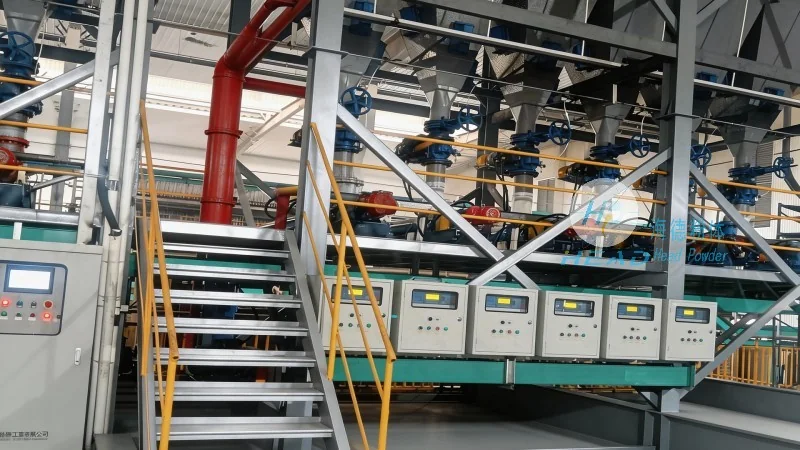
Pneumatic Conveying Systems for Coal Ash Particles
Pneumatic conveying systems use air or other gases to transport coal ash particles through a pipeline network. This method is particularly effective for handling fine, dusty materials like coal ash, as it minimizes the risk of dust exposure and allows for enclosed, dust-free operation. There are two main types of pneumatic conveying systems: positive pressure and negative pressure. Positive pressure systems blow air or gas into the pipeline, pushing the coal ash particles forward. These systems are suitable for short to medium distances and can handle a wide range of particle sizes. Negative pressure systems, on the other hand, create a vacuum in the pipeline, drawing the coal ash particles into the system. Negative pressure systems are often used for longer distances and are more effective at controlling dust emissions. Pneumatic conveying systems for coal ash typically use high-pressure air compressors or vacuum pumps to generate the necessary pressure or vacuum. The choice between positive and negative pressure depends on factors such as the distance to be covered, the volume of material to be transported, and the need for dust control. In addition to the basic conveying components, pneumatic systems may include features like cyclone separators, filters, and dust collectors to ensure that the coal ash particles are efficiently separated from the air stream and that the system operates within environmental regulations.
Hybrid Conveying Solutions
For complex coal ash handling applications, hybrid systems that combine mechanical and pneumatic components may be employed. These systems offer the benefits of both approaches, providing flexibility and efficiency in material transportation. For example, a hybrid system might use a belt conveyor to transport coal ash from a storage silo to a pneumatic conveying line, where the material is then moved to the final destination. Hybrid systems are particularly useful in large-scale power plant operations where multiple conveyance points and varying distances are involved. The integration of mechanical and pneumatic components allows for seamless material transfer and minimizes the need for manual handling or intermediate storage. When designing hybrid systems, it is important to consider factors such as the flow rate, particle size distribution, and the need for dust control. Proper integration of the components ensures that the system operates smoothly and efficiently, reducing downtime and maintenance costs.

 Công ty TNHH Kỹ thuật Công trình Bột Hải Đức Sơn Đông
 156-6277-7102(Quản lý Trương)
  0531-83386006
  Quận Chương Khâu, Thành phố Tế Nam, Tỉnh Sơn Đông, Trung Quốc
Điện thoại
WeChatTư vấn
Lên đầu