Công ty Hải Đức Bột với hơn 10 năm kinh nghiệm vận chuyển khí, cung cấp hệ thống‑thiết bị‑quạt gió và nhận dự án tổng thầu bột cả nước
Efficient and reliable transportation of gypsum powder and dust is crucial in various industrial applications, such as construction, manufacturing, and mineral processing. The choice of transportation method depends on factors like material properties, distance, volume, and operational requirements. Shandong HeadPowder Engineering Co., Ltd., a leading provider in the field, offers expertise in selecting and implementing suitable systems for gypsum powder and dust handling. This article explores the common methods used for gypsum powder and dust transportation, highlighting their advantages and typical applications.
1. Pneumatic Conveying Systems
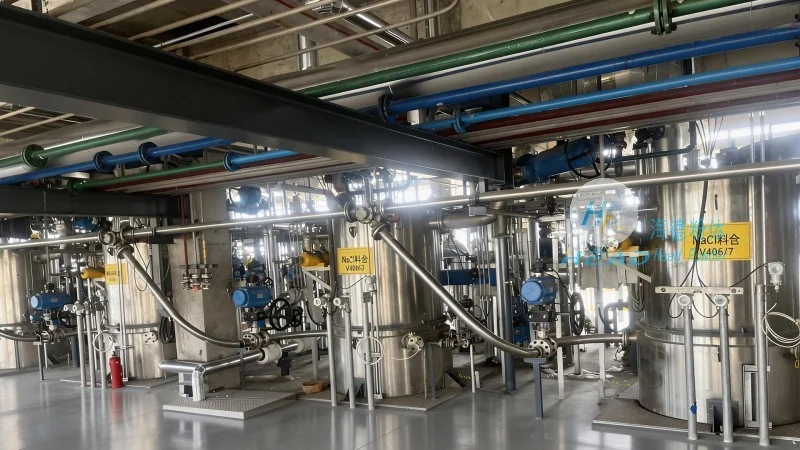
Pneumatic conveying, also known as air-powered transport, is a widely used method for gypsum powder and dust transportation. This system utilizes compressed air to move the material through a pipeline. There are two main types: pressure and vacuum systems. Pressure systems push the material forward using positive pressure, while vacuum systems draw the material into the pipeline using negative pressure. Pneumatic conveying is particularly effective for handling fine powders and dust, as it minimizes material degradation and contamination. It is commonly employed in applications where the material needs to be transported over medium to long distances, such as from storage silos to processing plants. The system can be designed for both dilute and dense phase conveying, offering flexibility based on the specific requirements of the operation.
2. Mechanical Conveying Systems
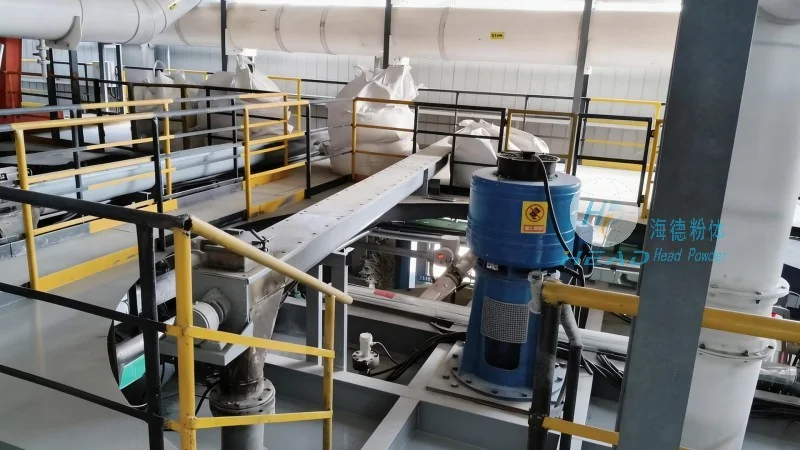
Mechanical conveying systems rely on mechanical components to transport gypsum powder and dust. These include screw conveyors, belt conveyors, and bucket elevators. Screw conveyors use a rotating screw to move material along a trough, making them suitable for horizontal or slight incline transport. They are ideal for handling bulk materials and can be easily integrated into existing processing lines. Belt conveyors, on the other hand, use a continuous belt to transport material over longer distances, often with multiple segments and inclines. This method is commonly used in mining and construction sites for transporting raw gypsum or processed powder. Bucket elevators are vertical or inclined conveyors that use buckets attached to a chain or belt to lift and transport material. They are efficient for vertical transport and can handle a wide range of material sizes and densities. Mechanical conveyors are generally more cost-effective for short to medium distances and when the material is not too fine or abrasive.
3. Hydraulic Conveying Systems
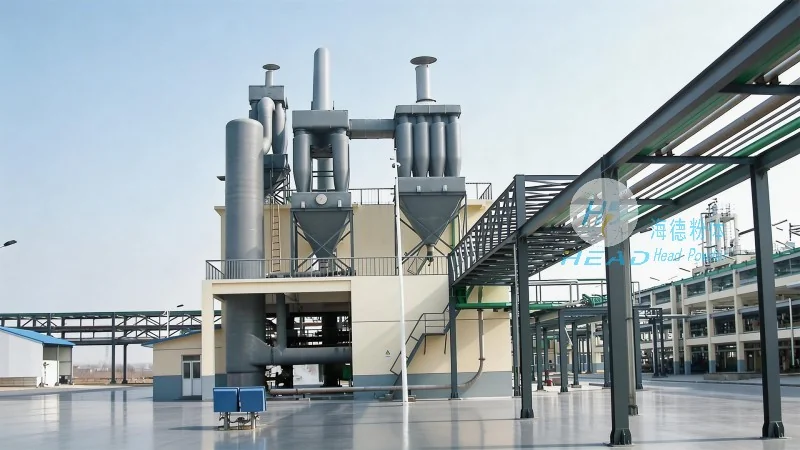
Hydraulic conveying systems use water or other liquids to transport gypsum powder and dust. The material is mixed with water to form a slurry, which is then pumped through pipelines. This method is particularly effective for handling wet or sticky materials, as the liquid helps to keep the material suspended and prevents clogging. Hydraulic conveying is commonly used in applications where the material needs to be transported over long distances or through complex layouts, such as in mining operations or large-scale construction projects. The system can be designed for both horizontal and vertical transport, and it is often used in conjunction with other processing steps, such as dewatering and filtration. However, hydraulic systems require additional equipment for slurry preparation and disposal, which can increase operational costs.
4. Vacuum Loading and Unloading Systems
Vacuum loading and unloading systems are used for the transfer of gypsum powder and dust between storage silos, trucks, or other containers. These systems use a vacuum pump to create a pressure differential that draws the material into the system. The material is then transported through a pipeline to the desired location. This method is particularly useful for handling fine powders and dust, as it minimizes dust emissions and ensures a clean transfer process. Vacuum systems are commonly employed in applications where the material needs to be loaded or unloaded quickly and efficiently, such as in bulk material handling facilities. They can be designed for both stationary and mobile applications, providing flexibility in various operational scenarios. The system typically includes a vacuum receiver, a filter, and a control panel to manage the flow and pressure of the material.
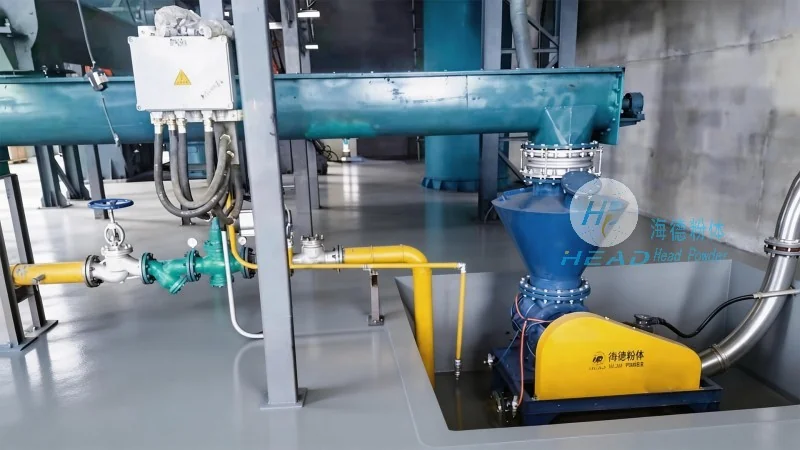
5. Combination Systems
In many industrial settings, a combination of the above methods may be used to achieve optimal transportation of gypsum powder and dust. For example, a pneumatic conveying system might be used for the initial transport from a storage silo to a processing plant, followed by a mechanical conveyor for the final delivery to a mixing or packaging area. This integrated approach allows for efficient handling of the material throughout the entire process, minimizing downtime and maximizing productivity. Shandong HeadPowder Engineering Co., Ltd. specializes in designing and implementing such combination systems, tailored to the specific needs of each client. By combining different technologies, these systems can address the challenges of varying material properties, distances, and operational requirements, ensuring reliable and cost-effective transportation.
Choosing the right transportation method for gypsum powder and dust is essential for maintaining operational efficiency and product quality. Shandong HeadPowder Engineering Co., Ltd. provides comprehensive solutions, including system design, installation, and maintenance, to ensure that clients can select and implement the most suitable method for their specific needs. Whether it's pneumatic, mechanical, hydraulic, or a combination of systems, the company's expertise ensures that the transportation process is optimized for performance and reliability.

 Công ty TNHH Kỹ thuật Công trình Bột Hải Đức Sơn Đông
 156-6277-7102(Quản lý Trương)
  0531-83386006
  Quận Chương Khâu, Thành phố Tế Nam, Tỉnh Sơn Đông, Trung Quốc
Điện thoại
WeChatTư vấn
Lên đầu