Công ty Hải Đức Bột với hơn 10 năm kinh nghiệm vận chuyển khí, cung cấp hệ thống‑thiết bị‑quạt gió và nhận dự án tổng thầu bột cả nước
For industries dealing with fine sand and gravel, selecting the right conveying method is crucial for efficiency, cost-effectiveness, and environmental compliance. Traditional approaches often face challenges such as material degradation, high maintenance costs, and environmental pollution. This article explores common fine sand and gravel conveying methods and highlights the advantages of HeadPowder's pneumatic conveying technology, a leading solution from Shandong HeadPowder Engineering Co., Ltd., based in China.
Introduction to Fine Sand and Gravel Conveying Methods
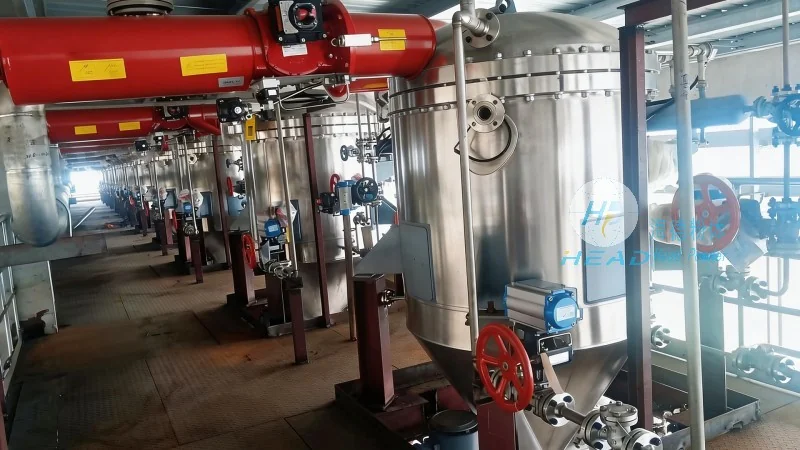
Fine sand and gravel are widely used in construction, mining, and chemical industries as raw materials for concrete, asphalt, and other products. However, their small particle size and high density present unique challenges during transportation. Conveying these materials efficiently while maintaining quality and minimizing environmental impact requires specialized equipment and systems. The choice of conveying method depends on factors like material properties, distance, volume, and operational environment.
Traditional Conveying Methods for Fine Materials
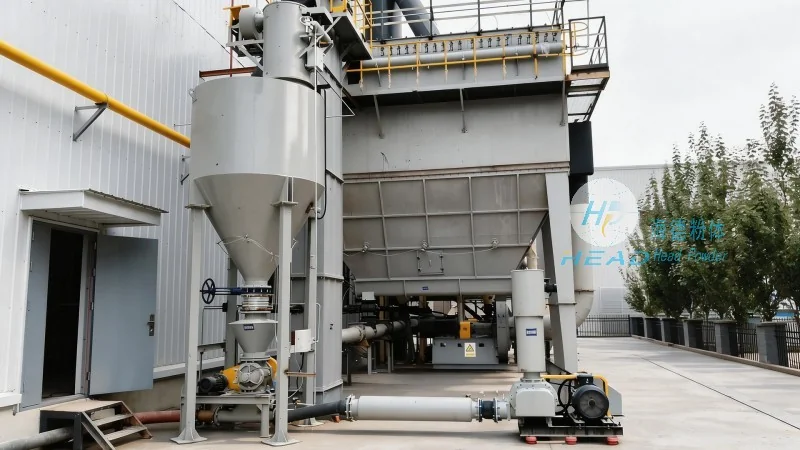
Several conventional methods are used for transporting fine sand and gravel, each with its own set of advantages and limitations. These include gravity conveyors, mechanical conveyors, and hydraulic systems. Gravity conveyors rely on the material's weight to move it down a slope, making them suitable for short distances and low-volume applications. However, they are limited by the need for a steep incline and are inefficient for horizontal or vertical transport. Mechanical conveyors, such as belt conveyors and screw conveyors, are widely used for bulk materials. While effective for dry, non-abrasive materials, they often struggle with fine sand due to blockages and increased wear on components. Hydraulic systems, which use water to transport materials, are suitable for water-soluble or wet materials but can lead to environmental issues due to water contamination and high energy consumption.
The Advantages of Pneumatic Conveying for Fine Sand and Gravel
Pneumatic conveying, or air conveying, offers a more versatile and efficient solution for fine sand and gravel transport. This method uses compressed air to move materials through a pipeline, eliminating the need for mechanical parts that can cause wear and tear. There are two main types of pneumatic conveying: suction (or vacuum) and pressure systems. Suction systems draw material from a hopper using a vacuum, while pressure systems push material through the pipeline using compressed air. Both types are effective for fine materials, with pressure systems generally offering higher throughput and better control over material flow.
HeadPowder's Pneumatic Conveying Technology: Key Features and Benefits
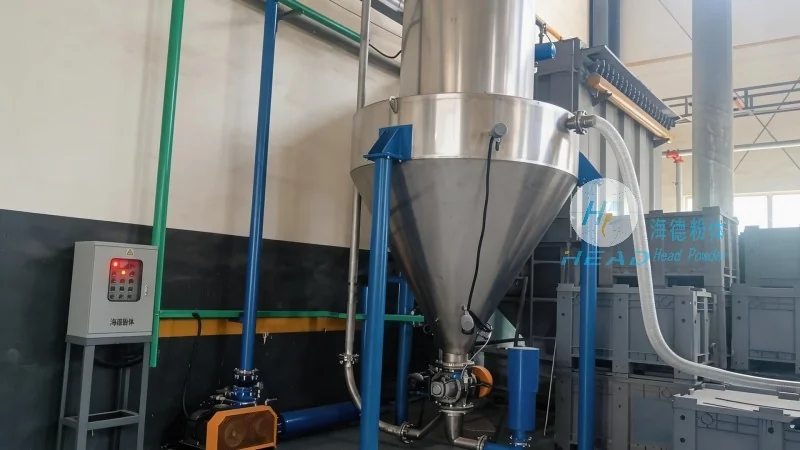
Shandong HeadPowder Engineering Co., Ltd., a leading manufacturer based in China, specializes in developing advanced pneumatic conveying systems tailored for fine sand and gravel applications. Their technology incorporates several key features that address the challenges of traditional methods. For instance, HeadPowder uses high-quality, wear-resistant materials for pipelines and components, reducing maintenance costs and extending the system's lifespan. The company also optimizes the air flow and pressure to ensure efficient material transport while minimizing energy consumption. Additionally, their systems are designed for flexibility, allowing easy integration with existing processing equipment and adaptability to different operational conditions.
Application Scenarios and Performance in Real-World Projects
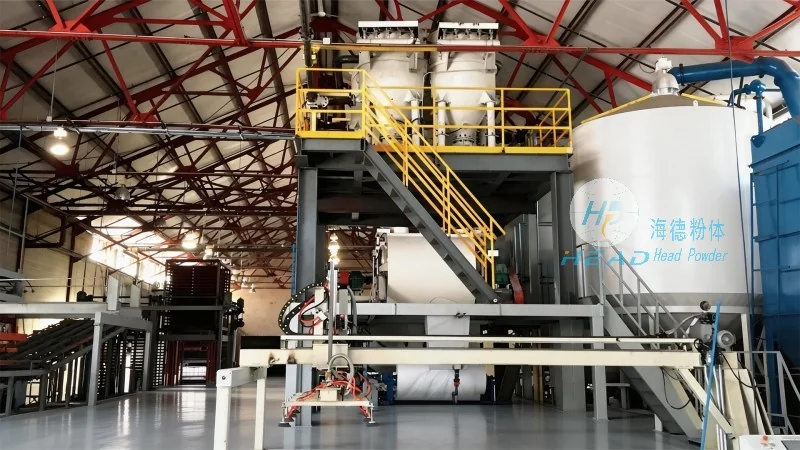
HeadPowder's pneumatic conveying systems have been successfully implemented in various industries, demonstrating their effectiveness in real-world scenarios. In mining operations, the system efficiently transports fine sand from crushers to storage silos, maintaining material quality and reducing dust emissions. In construction sites, the technology delivers fine gravel to mixing plants, ensuring consistent concrete production and minimizing material loss. In chemical plants, the system handles fine sand used in the production of cement and other materials, improving process efficiency and safety. Real-world projects have shown that HeadPowder's systems can achieve high throughput rates, with some installations handling up to 100 tons per hour, while maintaining low energy consumption and minimal environmental impact.
Conclusion: Choosing the Right Conveying Solution for Fine Materials
When selecting a conveying method for fine sand and gravel, it is essential to consider the specific requirements of the application. While traditional methods may be suitable for certain low-volume or short-distance tasks, pneumatic conveying offers significant advantages in terms of efficiency, flexibility, and environmental performance. HeadPowder's pneumatic conveying technology, with its advanced design and robust construction, provides a reliable solution for industries seeking to optimize their material handling processes. By leveraging the benefits of pneumatic transport, companies can improve productivity, reduce costs, and enhance sustainability in their operations. As the demand for efficient and eco-friendly material handling solutions grows, HeadPowder's expertise in pneumatic conveying continues to be a valuable asset for businesses in the fine sand and gravel industry.

 Công ty TNHH Kỹ thuật Công trình Bột Hải Đức Sơn Đông
 156-6277-7102(Quản lý Trương)
  0531-83386006
  Quận Chương Khâu, Thành phố Tế Nam, Tỉnh Sơn Đông, Trung Quốc
Điện thoại
WeChatTư vấn
Lên đầu