Công ty Hải Đức Bột với hơn 10 năm kinh nghiệm vận chuyển khí, cung cấp hệ thống‑thiết bị‑quạt gió và nhận dự án tổng thầu bột cả nước
Calcined sand, a vital component in industries such as refractory production, glass manufacturing, and foundry, requires efficient and reliable transportation from production sites to processing or storage facilities. The choice of conveying method directly impacts operational efficiency, material quality, and overall system costs. This article explores common calcined sand conveying methods and highlights the advantages of HeadPowder's pneumatic conveying system, a leading solution for handling this abrasive material.
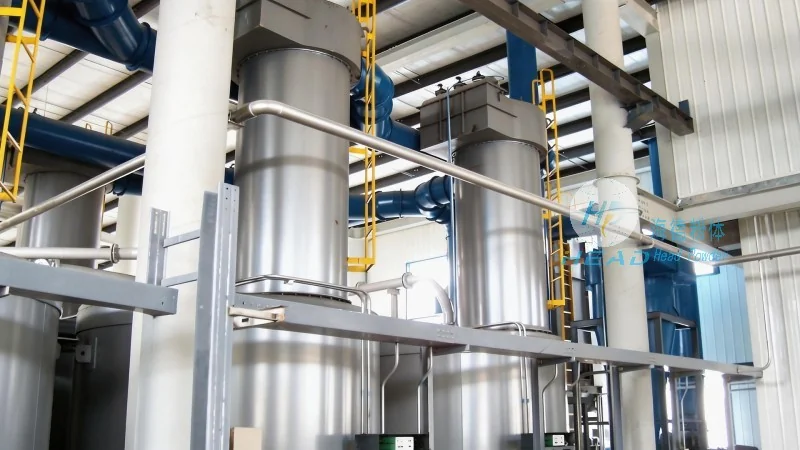
Common Calcined Sand Conveying Methods
Several conventional methods are widely employed for calcined sand transportation, each with distinct characteristics and applications. These include gravity-based systems, mechanical conveyors like belt and screw conveyors, and hydraulic conveyors. Gravity conveyors utilize the material's weight to move it along a sloped path, making them suitable for short distances and gentle inclines. However, they are limited by the material's density and the required slope, often necessitating additional equipment like elevators for longer or steeper routes. Belt conveyors, a common option, use a continuous belt to transport materials horizontally or at a slight incline. They are effective for bulk materials but may encounter issues with material buildup or belt wear, especially with abrasive substances like calcined sand. Screw conveyors, or auger conveyors, employ a rotating screw to push material forward. While compact and capable of handling various materials, they are prone to clogging and wear due to the abrasive nature of calcined sand, leading to higher maintenance costs and potential downtime.
Advantages of HeadPowder's Pneumatic Conveying System for Calcined Sand
HeadPowder, a renowned provider of industrial conveying solutions, offers a specialized pneumatic conveying system tailored for calcined sand applications. This system utilizes compressed air to transport materials within a closed pipeline, eliminating the need for open chutes and reducing the risk of dust dispersion and material contamination. The key advantages of this system include: Efficient Material Transport: The pneumatic system can handle high volumes of calcined sand with minimal pressure drop, ensuring consistent flow rates and reducing the need for frequent maintenance. Reduced Maintenance Costs: Unlike mechanical conveyors that suffer from wear and clogging, the pneumatic system features smooth, corrosion-resistant pipelines and low-maintenance components, leading to lower operational costs over time. Enhanced Safety and Environmental Control: By operating in a closed system, the pneumatic conveyor minimizes dust emissions, improving workplace safety and compliance with environmental regulations. Flexibility in Layout: The system can be easily adapted to various plant layouts, with the ability to transport materials vertically, horizontally, or in a combination of both, making it suitable for complex production environments. Material Preservation: The enclosed conveying process prevents material from being exposed to external elements, preserving its quality and preventing contamination from moisture or other substances.
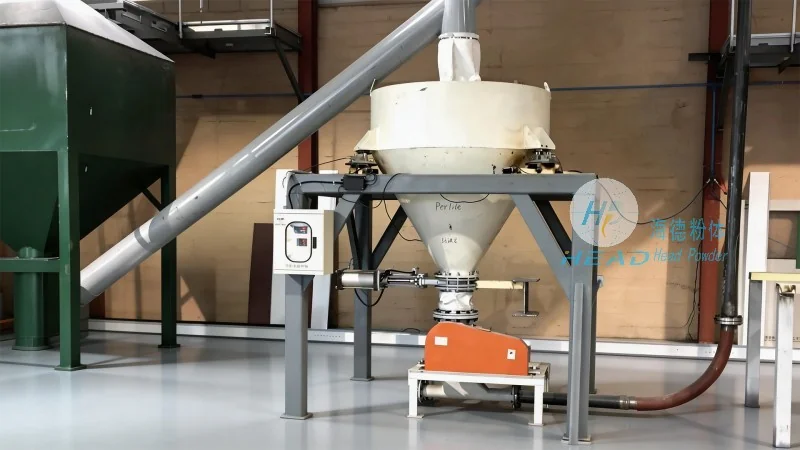
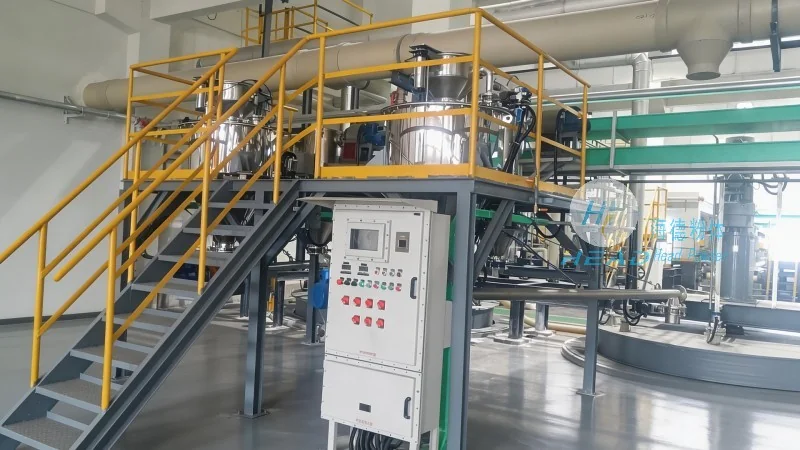
Key Features of HeadPowder's Pneumatic Conveying System
HeadPowder's pneumatic conveying system is engineered with several advanced features to optimize calcined sand handling. The system includes high-efficiency air compressors that provide consistent air pressure, ensuring reliable material transport. The pipelines are constructed from durable, corrosion-resistant materials such as stainless steel or special alloys, which can withstand the abrasive nature of calcined sand and resist corrosion from moisture or other chemicals. The system also incorporates advanced control systems that monitor pressure, flow rate, and material level in real-time, allowing for immediate adjustments to maintain optimal performance. Additionally, the system is designed for easy integration with existing production lines, minimizing downtime during installation and operation.
Conclusion
When selecting a conveying method for calcined sand, it is crucial to consider factors such as material properties, operational requirements, and long-term costs. While traditional methods like gravity and mechanical conveyors have their uses, they often fall short in terms of efficiency, maintenance, and environmental compliance. HeadPowder's pneumatic conveying system offers a superior solution, providing reliable, low-maintenance, and environmentally friendly transportation of calcined sand. By leveraging advanced technology and robust design, this system ensures consistent performance and helps businesses optimize their calcined sand handling processes. For companies seeking to improve their calcined sand transportation efficiency and reduce operational costs, HeadPowder's pneumatic conveying system is a reliable and effective choice.

 Công ty TNHH Kỹ thuật Công trình Bột Hải Đức Sơn Đông
 156-6277-7102(Quản lý Trương)
  0531-83386006
  Quận Chương Khâu, Thành phố Tế Nam, Tỉnh Sơn Đông, Trung Quốc
Điện thoại
WeChatTư vấn
Lên đầu