Công ty Hải Đức Bột với hơn 10 năm kinh nghiệm vận chuyển khí, cung cấp hệ thống‑thiết bị‑quạt gió và nhận dự án tổng thầu bột cả nước
Biomass, as a renewable energy source and raw material for various industries, requires efficient transportation methods to ensure smooth supply chains and operational efficiency. The choice of transportation method depends on factors such as the type of biomass, its physical properties, the distance to be transported, and the specific requirements of the end-use application. In this article, we will explore the primary methods of biomass transportation, highlighting the key considerations and practical applications.
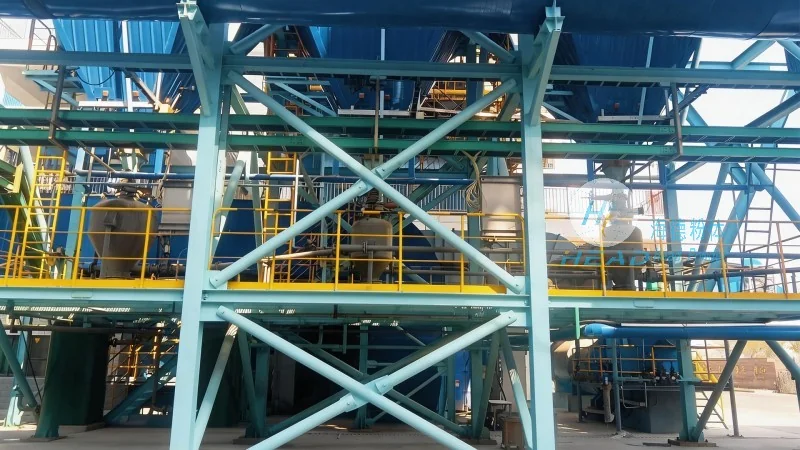
Overview of Biomass Transportation Methods
Biomass transportation encompasses a range of techniques designed to move materials like wood chips, agricultural residues, and other organic matter from production sites to processing facilities or end-users. The effectiveness of each method is determined by its ability to handle the material's bulk, maintain its quality, and minimize operational costs. Commonly used methods include mechanical conveyors, pneumatic (air) conveying systems, and specialized vehicles. Each approach has its advantages and limitations, making the selection process critical for optimizing logistics and production.
Mechanical Conveying Systems
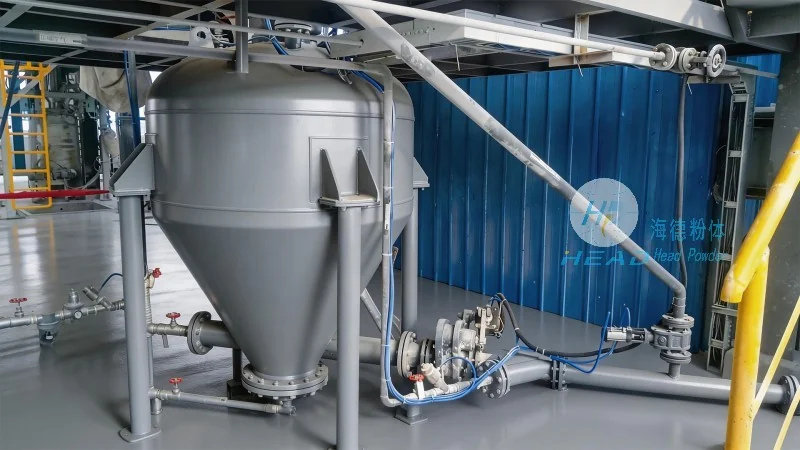
Mechanical conveying is one of the most traditional and widely used methods for transporting biomass. This approach utilizes physical components like belts, screws, and buckets to move materials along a fixed path. The most common types include belt conveyors, screw conveyors, and bucket elevators. Belt conveyors are ideal for transporting large volumes of biomass over short to medium distances, such as from a storage pile to a processing plant. They are simple in design, low-maintenance, and can handle a wide range of material sizes and shapes. Screw conveyors, also known as augers, are effective for moving bulk materials through vertical or inclined paths. They are particularly useful for transporting biomass that is sticky or has a high moisture content, as the rotating screw can help break up clumps and ensure consistent flow. Bucket elevators are used to lift biomass vertically, often in combination with horizontal conveyors to form a complete transport system. These systems are robust and can handle heavy loads, making them suitable for industrial applications where high throughput is required.
Pneumatic Conveying Systems
Pneumatic conveying, or air conveying, is another popular method that uses compressed air to transport biomass particles through a pipeline. This technique is particularly effective for fine or powdery biomass, such as wood pellets or sawdust, as it can move materials over long distances with minimal loss and high efficiency. There are two main types of pneumatic conveying systems: positive displacement and pressure-assisted. Positive displacement systems use a pump to create a vacuum or pressure, drawing or pushing the material through the pipeline. These systems are suitable for short to medium distances and can handle abrasive materials without causing wear and tear. Pressure-assisted systems, on the other hand, use a blower to push the material through the pipeline, making them ideal for longer distances and larger volumes. Pneumatic conveying offers advantages such as low maintenance, the ability to transport materials through vertical and horizontal sections, and the option to integrate with other processing equipment. However, it requires careful design to ensure adequate air flow and prevent material degradation due to friction or pressure.
Specialized Vehicles and Equipment
In addition to mechanical and pneumatic systems, specialized vehicles and equipment are often employed for biomass transportation, especially for shorter distances or when the material is in bulk form. These include trucks, trailers, and forklifts, which are commonly used to transport biomass from farms or forests to collection points or processing facilities. Trucks equipped with bulk containers or open-top trailers are ideal for moving large quantities of biomass, such as wood chips or agricultural residues. They offer flexibility in terms of route and can access remote locations where other transport systems may not be feasible. Forklifts and other material handling equipment are used in processing plants to move biomass from storage areas to processing lines, ensuring efficient material flow and reducing labor costs. Specialized equipment like conveyor trucks or self-loading vehicles may also be used in certain applications, particularly for transporting biomass from fields to processing sites. These vehicles are designed to handle the bulk and weight of biomass, providing a practical solution for short-distance transport.
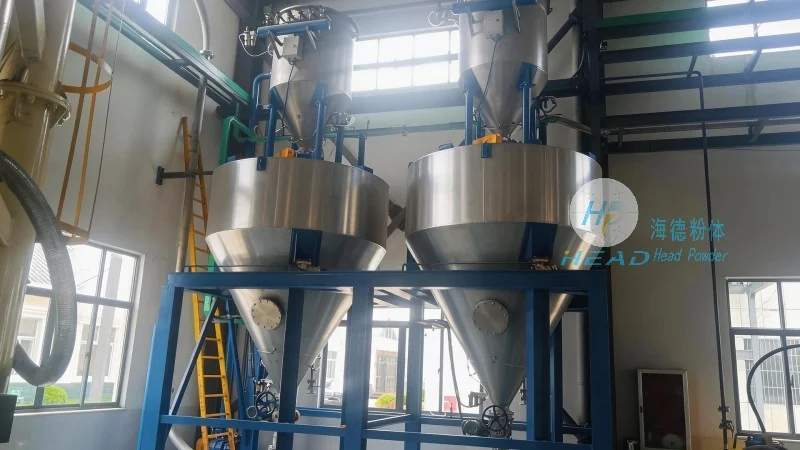
Factors Influencing the Choice of Transportation Method
The selection of the most appropriate biomass transportation method depends on several key factors. The first is the physical properties of the biomass, including its size, moisture content, and density. For example, coarse biomass like wood chips may be better suited to mechanical conveyors, while fine biomass like pellets may require pneumatic systems. The distance to be transported is another critical factor. Short distances may allow for the use of trucks or mechanical conveyors, while longer distances may necessitate pneumatic or specialized rail systems. The end-use application also plays a role, as different industries have specific requirements for material quality and handling. For instance, biomass used in power generation plants may need to be transported in a way that minimizes dust and moisture, while biomass for animal feed may require different handling to preserve its nutritional value. Cost is a significant consideration as well, as different methods have varying capital and operational expenses. Companies must balance the initial investment and ongoing maintenance costs against the benefits of improved efficiency and reduced material loss. Finally, environmental factors, such as the need to minimize emissions or noise, may influence the choice of transportation method, particularly in urban or sensitive areas.
Conclusion
In conclusion, the methods of biomass transportation are diverse and tailored to the specific needs of the biomass industry. Mechanical conveyors, pneumatic systems, and specialized vehicles each offer unique advantages and are selected based on factors such as material properties, distance, and cost. The choice of method directly impacts the efficiency and sustainability of biomass supply chains, making it a critical aspect of the industry's operations. As the biomass industry continues to grow, the development of more efficient and sustainable transportation solutions will remain a key focus. Companies like Shandong HeadPowder Engineering Co., Ltd., based in China, are at the forefront of providing innovative solutions for biomass transportation, ensuring that the renewable energy and material potential of biomass is fully realized.

 Công ty TNHH Kỹ thuật Công trình Bột Hải Đức Sơn Đông
 156-6277-7102(Quản lý Trương)
  0531-83386006
  Quận Chương Khâu, Thành phố Tế Nam, Tỉnh Sơn Đông, Trung Quốc
Điện thoại
WeChatTư vấn
Lên đầu