Công ty Hải Đức Bột với hơn 10 năm kinh nghiệm vận chuyển khí, cung cấp hệ thống‑thiết bị‑quạt gió và nhận dự án tổng thầu bột cả nước
Activated carbon, a vital material in industries like water treatment, air purification, and chemical processing, requires efficient and reliable conveying methods to maintain operational efficiency and product integrity. The selection of a conveying method depends on factors such as the type of activated carbon, processing environment, and specific application needs. This article examines the primary methods used for activated carbon conveying, detailing their mechanisms, advantages, and typical applications.
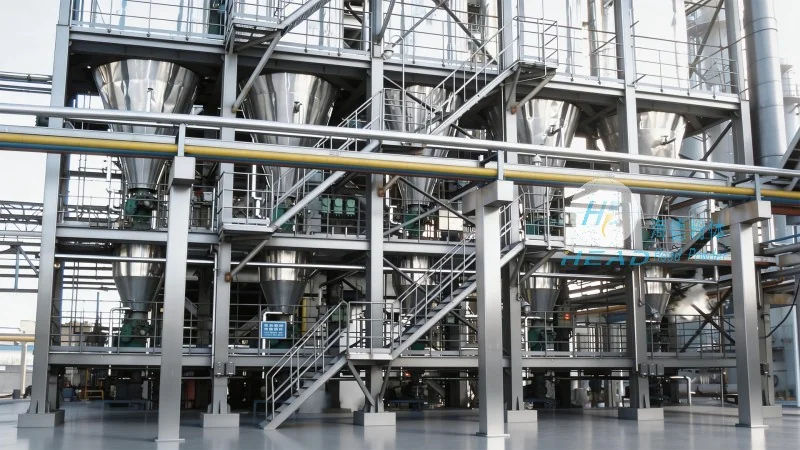
1. Mechanical Conveying Systems
Mechanical conveying systems employ physical components to move activated carbon. These systems are favored for their reliability and adaptability to various particle sizes and moisture levels. Common examples include belt conveyors, screw conveyors, and bucket elevators. Belt conveyors are ideal for bulk transport over short to medium distances, using a continuous belt over rollers to carry carbon. This method is effective for dry or slightly moist carbon, minimizing degradation and spillage. Screw conveyors, or auger conveyors, use a rotating screw to push carbon forward, suitable for vertical or inclined transport and handling higher moisture content. Bucket elevators lift carbon vertically via buckets on a chain or belt, efficient for large volumes in space-constrained facilities. Mechanical systems are preferred where power is available and contamination risks are low, integrating seamlessly with other processing equipment.
2. Gravity Conveying
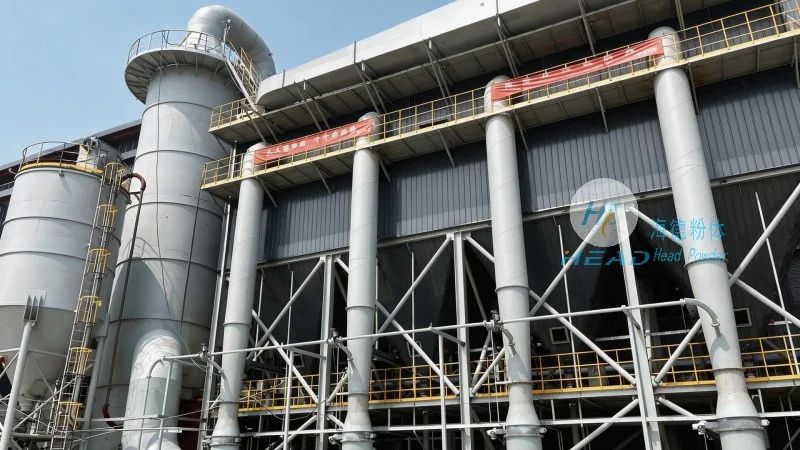
Gravity conveying leverages gravity to move activated carbon from higher to lower levels, offering a simple and cost-effective solution. It is commonly used for short vertical or inclined distances, such as feeding carbon from a storage silo into a reactor in a water treatment plant. The material flows through a chute or pipe due to gravity, with the chute slope designed for steady flow. This method is best for dry, free-flowing carbon without additional energy input. However, it is limited to minimal distance/elevation changes and is sensitive to material property variations like moisture or particle size. Despite these constraints, gravity conveying is efficient for specific applications with low distance/elevation needs, often integrated with other systems for a complete material handling solution.
3. Pneumatic Conveying
Pneumatic conveying uses compressed air to transport activated carbon through pipelines, highly effective for fine or dusty materials and critical for dust control. Two main types exist: dilute-phase (low pressure, dispersed particles) and dense-phase (high pressure, plug-like flow). Dilute-phase is suitable for short to medium distances and large volumes, while dense-phase handles longer distances and materials prone to segregation. This method offers closed-system transport, reducing emissions and integrating with filters/reactors. However, it requires a reliable compressed air supply and is more complex to install/maintain than mechanical systems. The choice between types depends on distance, material properties, and dust control needs.
4. Hydraulic Conveying
Hydraulic conveying employs water or liquids to transport activated carbon, primarily used when carbon is mixed with water (e.g., wastewater treatment or slurry processing). The carbon is suspended in liquid and pumped through pipelines. This method is effective for wet or slurry-based carbon and long-distance transport, handling high moisture content and abrasives without excessive wear. However, it requires continuous water supply and additional dewatering/separation steps, increasing complexity. It is commonly used in large-scale facilities processing carbon as part of slurry systems, such as chemical plants or water treatment sites.
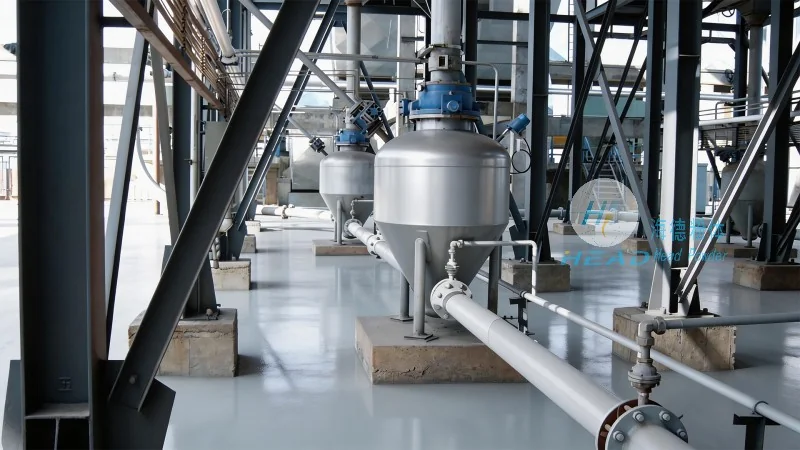
5. Combination Conveying Systems
Industrial facilities often use combination systems integrating multiple methods for efficiency. For example, a mechanical conveyor might move carbon from a silo to a pneumatic line, with gravity used for initial transport and a conveyor/elevator for final stages. These systems optimize handling by reducing energy use and improving adaptability. They are ideal for large-scale operations with multi-stage processing, like water treatment plants or chemical facilities. By combining methods, facilities achieve comprehensive, efficient solutions tailored to specific needs.
Selecting the right activated carbon conveying method is critical for process efficiency, cost, and quality. Factors like carbon type, distance/elevation, dust control, and available resources must be carefully evaluated. Mechanical, gravity, pneumatic, and hydraulic systems each offer unique benefits suited to different applications. Understanding these characteristics and process requirements allows industrial facilities to choose the most effective system for smooth, reliable operation. The method selection impacts not only performance but also sustainability and environmental impact. As industrial processes evolve, advanced conveying technologies enhance activated carbon handling efficiency, supporting industries reliant on this crucial material.

 Công ty TNHH Kỹ thuật Công trình Bột Hải Đức Sơn Đông
 156-6277-7102(Quản lý Trương)
  0531-83386006
  Quận Chương Khâu, Thành phố Tế Nam, Tỉnh Sơn Đông, Trung Quốc
Điện thoại
WeChatTư vấn
Lên đầu