Công ty Hải Đức Bột với hơn 10 năm kinh nghiệm vận chuyển khí, cung cấp hệ thống‑thiết bị‑quạt gió và nhận dự án tổng thầu bột cả nước
Efficient and reliable transport of PVC resin is crucial for the smooth operation of manufacturing processes in various industries. The choice of transport method depends on several factors including the resin type, processing conditions, and the specific requirements of the production line. This article explores the common methods used for PVC resin transportation, highlighting the key considerations and practical applications.
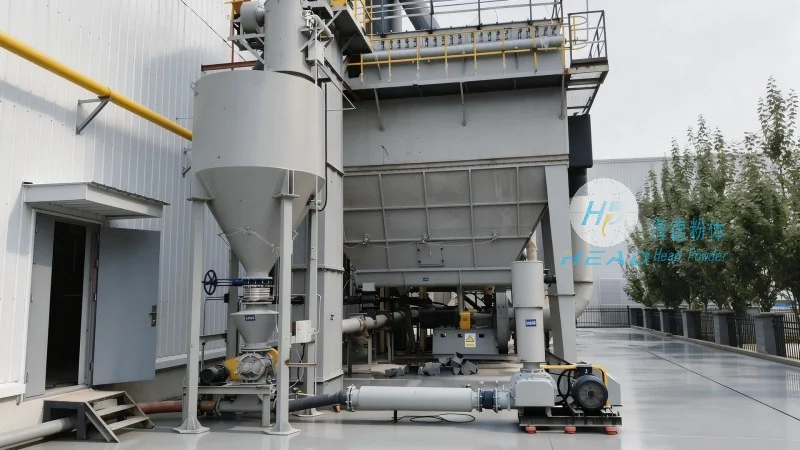
Overview of PVC Resin and Its Transport Requirements
Polyvinyl chloride (PVC) resin is a versatile polymer widely used in the production of pipes, fittings, flooring, and other construction materials. Due to its granular or powder form, transporting PVC resin requires specialized equipment and systems to ensure minimal degradation, contamination, and loss. The primary goal of any transport method is to maintain the integrity of the resin while moving it from storage to processing units with optimal efficiency.
Common Methods for PVC Resin Transportation
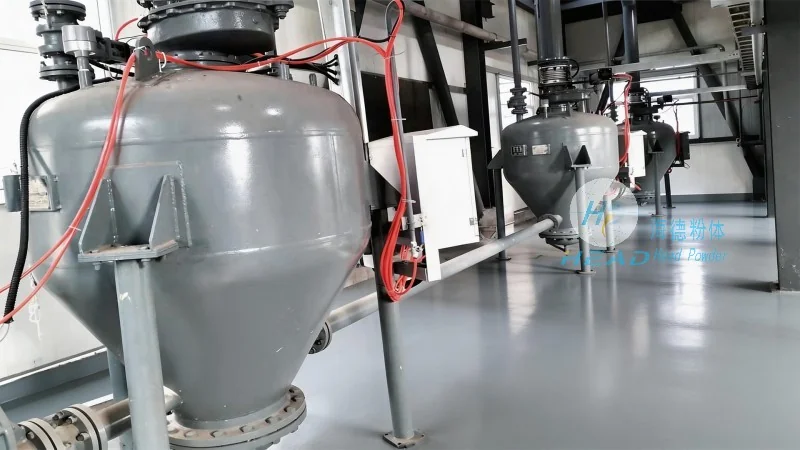
Several methods are commonly employed for PVC resin transportation, each with its own advantages and suitability for different scenarios. The most prevalent approaches include pipeline systems, pneumatic conveying, and mechanical handling equipment. Each method is designed to address specific challenges such as the abrasive nature of PVC particles and the need for consistent flow rates.
Pipeline Systems for Continuous Flow
Pipeline systems are widely used for the continuous and automated transport of PVC resin, especially in large-scale production facilities. These systems typically consist of stainless steel or specialized plastic pipes that are designed to handle the abrasive properties of PVC particles. The resin is often conveyed using positive displacement pumps or screw conveyors, which maintain a consistent pressure and flow rate. This method is particularly effective for long-distance transport and integration with automated processing lines.
Pneumatic Conveying: Air-Driven Transport
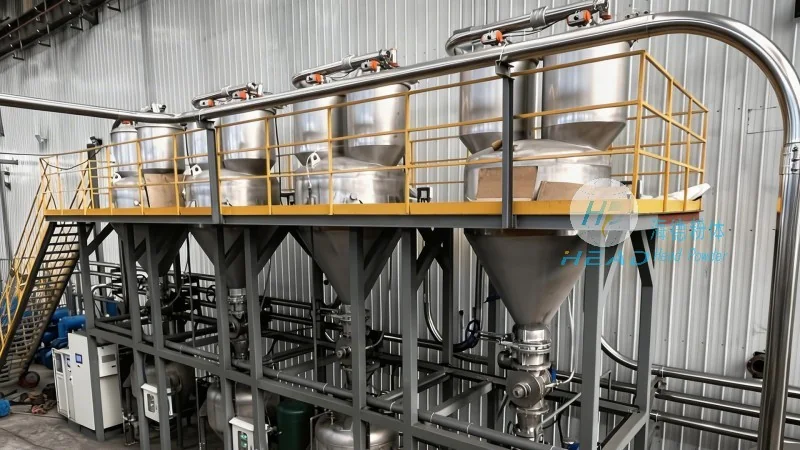
Pneumatic conveying uses compressed air to transport PVC resin particles through a pipeline. This method is ideal for short to medium distances and for handling fine or dusty resin powders. The system typically includes a hopper, a venturi or rotary valve, and a receiver. The air pressure creates a flow that moves the resin particles, reducing the need for mechanical components that could cause wear or contamination. Pneumatic conveying is often preferred for its simplicity and ability to handle variations in resin flow rates.
Mechanical Handling Equipment: Screw and Belt Conveyors
Mechanical conveyors, such as screw and belt conveyors, are commonly used for transporting PVC resin in bulk. Screw conveyors use a rotating screw to move the resin along a trough, while belt conveyors utilize a continuous belt to transport the material. These systems are suitable for horizontal or slight incline transport and are often used in storage and feeding applications. The choice between screw and belt conveyors depends on factors like the resin's moisture content, flowability, and the need for gentle handling to prevent agglomeration.
Key Considerations for Selecting a Transport Method
When selecting a PVC resin transport method, several factors must be considered to ensure optimal performance and longevity of the equipment. These include the resin's physical properties, such as particle size and moisture content, the required flow rate and pressure, and the distance to be covered. Additionally, the cost of installation, maintenance, and energy consumption plays a significant role in the decision-making process. For instance, pipeline systems may require higher initial investment but offer lower operational costs over time due to their efficiency and reliability.
Case Study: Shandong HeadPowder Engineering Co., Ltd.
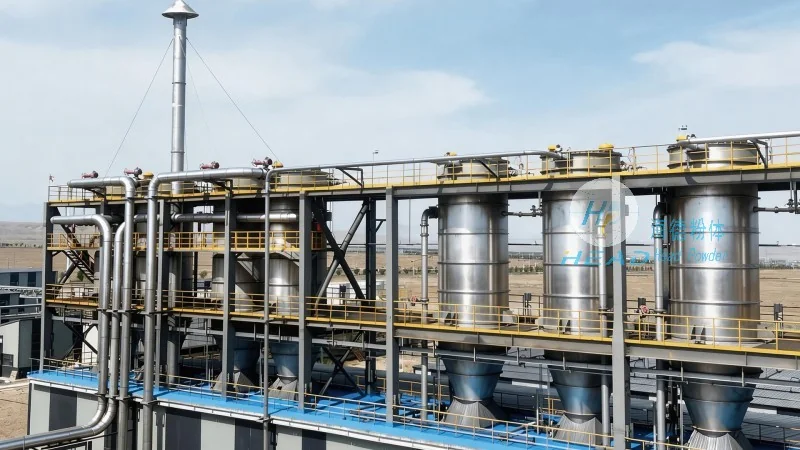
Shandong HeadPowder Engineering Co., Ltd., a leading provider of industrial solutions, specializes in designing and implementing PVC resin transport systems tailored to the needs of various industries. With years of experience in the field, the company has developed expertise in selecting the most appropriate transport methods for different applications. Their solutions often integrate multiple components, such as storage silos, conveyors, and processing units, to create a seamless flow of PVC resin from raw material to finished product. The company's commitment to quality and efficiency has made it a trusted partner for manufacturers seeking reliable PVC resin transportation solutions.
Conclusion
In conclusion, the effective transport of PVC resin is essential for maintaining the efficiency and quality of manufacturing processes. Whether through pipeline systems, pneumatic conveying, or mechanical handling equipment, the right method can significantly impact production outcomes. By considering factors such as resin properties, distance, and operational costs, manufacturers can choose the most suitable transport solution. Companies like Shandong HeadPowder Engineering Co., Ltd. play a vital role in providing customized solutions that meet the specific needs of their clients, ensuring smooth and reliable PVC resin transportation in various industrial applications.

 Công ty TNHH Kỹ thuật Công trình Bột Hải Đức Sơn Đông
 156-6277-7102(Quản lý Trương)
  0531-83386006
  Quận Chương Khâu, Thành phố Tế Nam, Tỉnh Sơn Đông, Trung Quốc
Điện thoại
WeChatTư vấn
Lên đầu