Công ty Hải Đức Bột với hơn 10 năm kinh nghiệm vận chuyển khí, cung cấp hệ thống‑thiết bị‑quạt gió và nhận dự án tổng thầu bột cả nước
When it comes to transporting high-quality grain, such as sorghum, the choice of conveying method is crucial for maintaining grain integrity and operational efficiency. Among the various options available, high-quality grain pneumatic conveying stands out as a sophisticated solution that addresses the unique challenges of grain handling. This article delves into the different high-quality grain transport methods and highlights the key advantages and features of high-quality grain pneumatic conveying, providing insights into how it can enhance grain handling processes.
Understanding High-Quality Grain Transport Methods
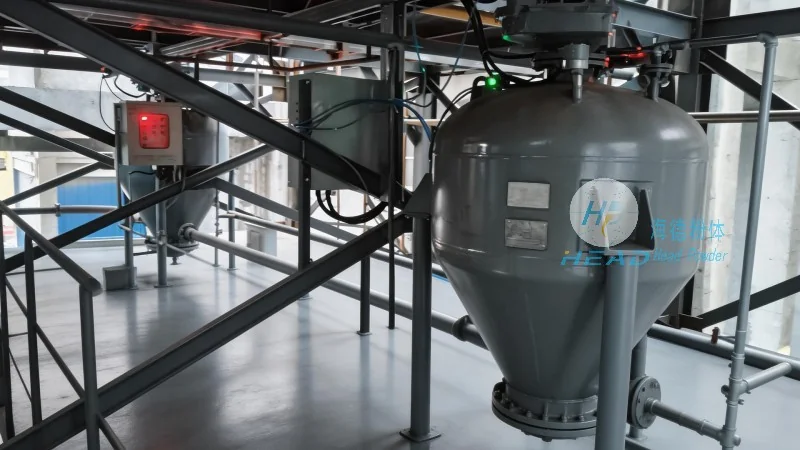
High-quality grain transport methods encompass a range of technologies designed to move grain from one location to another while preserving its quality and minimizing damage. Traditional methods like belt conveyors, bucket elevators, and screw conveyors have been widely used in the grain industry. However, these methods often face limitations when dealing with delicate or high-value grains like sorghum, as they may cause abrasion, breakage, or contamination. In contrast, high-quality grain pneumatic conveying offers a more gentle and efficient approach to grain movement.
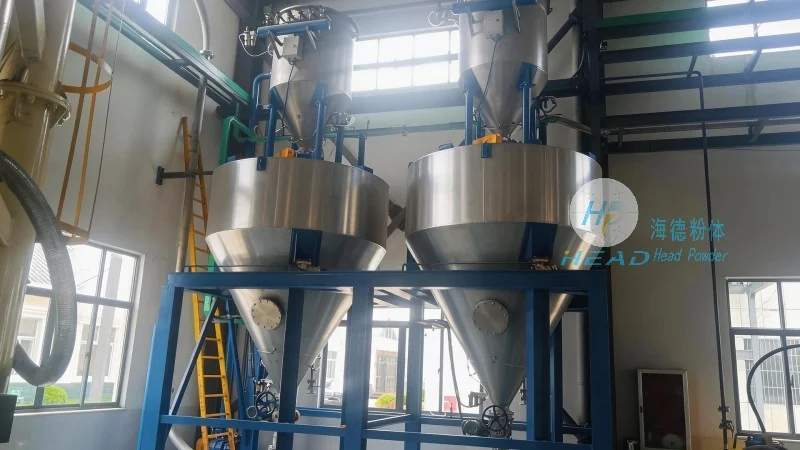
What is High-Quality Grain Pneumatic Conveying?
High-quality grain pneumatic conveying is a system that uses air pressure to transport grain through a pipeline. Unlike mechanical conveyors, this method relies on the flow of air to move the grain, reducing physical contact and minimizing the risk of grain damage. The system typically consists of a hopper, a blower, a pipeline, and a receiver, with optional components like filters and cyclones to ensure grain purity. This technology is particularly suitable for transporting high-value grains that require careful handling to maintain their quality and market value.
Advantages of High-Quality Grain Pneumatic Conveying
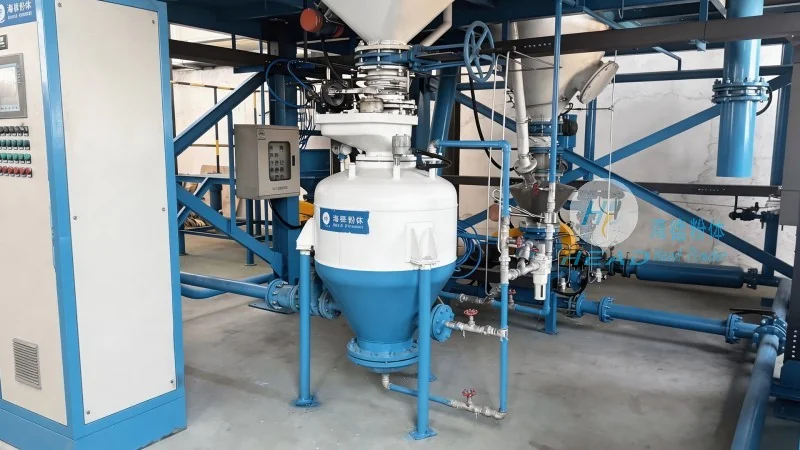
One of the primary advantages of high-quality grain pneumatic conveying is its ability to handle delicate grains without causing breakage or abrasion. The air flow in the pipeline gently moves the grain, preserving its physical characteristics and reducing the risk of contamination. This is especially important for high-quality grains like sorghum, which are often used in food, brewing, and animal feed applications where grain integrity is critical. Additionally, pneumatic conveying systems can be designed to operate at low speeds, further minimizing grain damage and ensuring consistent quality.
Another key advantage is the flexibility and scalability of high-quality grain pneumatic conveying systems. These systems can be easily adapted to different grain types and processing requirements, making them suitable for a wide range of applications. They can also be integrated with other processing equipment, such as cleaning and sorting systems, to create a comprehensive grain handling solution. Furthermore, pneumatic conveying systems are generally more energy-efficient than mechanical conveyors, as they use less power to move the same volume of grain.
Key Features of High-Quality Grain Pneumatic Conveying
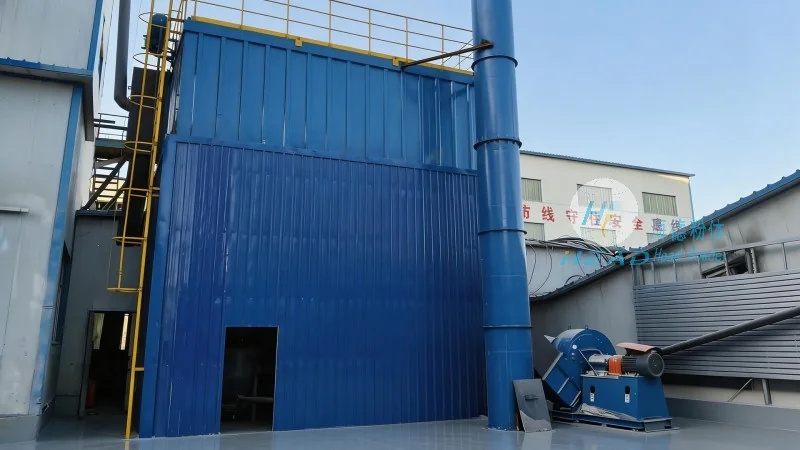
High-quality grain pneumatic conveying systems are equipped with several features that enhance their performance and reliability. One of the most important features is the use of high-quality materials, such as stainless steel or food-grade plastics, to prevent grain contamination and ensure durability. The system also includes advanced control systems that allow for precise regulation of air flow and pressure, ensuring consistent grain movement and preventing overloading or underloading. Additionally, many high-quality systems are equipped with filters and cyclones to remove dust and impurities from the grain, maintaining grain purity and reducing maintenance costs.
Another notable feature is the ability to handle a wide range of grain sizes and shapes. High-quality pneumatic conveying systems can accommodate various grain types, including whole grains, broken grains, and even grain with foreign materials. This versatility makes them suitable for different stages of grain processing, from initial reception to final packaging. Furthermore, these systems can be designed to operate in different environments, such as indoor or outdoor settings, making them adaptable to various industrial applications.
Conclusion: Choosing the Right High-Quality Grain Transport Method
When selecting a high-quality grain transport method, it is essential to consider the specific requirements of the grain and the processing environment. While traditional methods like belt conveyors and bucket elevators may be suitable for some applications, high-quality grain pneumatic conveying offers superior performance and reliability for delicate or high-value grains. The advantages of this technology, including gentle handling, energy efficiency, and flexibility, make it an ideal choice for modern grain handling operations. By understanding the features and benefits of high-quality grain pneumatic conveying, grain handlers can make informed decisions that enhance grain quality, reduce costs, and improve overall operational efficiency.

 Công ty TNHH Kỹ thuật Công trình Bột Hải Đức Sơn Đông
 156-6277-7102(Quản lý Trương)
  0531-83386006
  Quận Chương Khâu, Thành phố Tế Nam, Tỉnh Sơn Đông, Trung Quốc
Điện thoại
WeChatTư vấn
Lên đầu