Công ty Hải Đức Bột với hơn 10 năm kinh nghiệm vận chuyển khí, cung cấp hệ thống‑thiết bị‑quạt gió và nhận dự án tổng thầu bột cả nước
When it comes to the efficient handling and transportation of fermentation curd in the brewing and distillation industries, selecting the right conveying method is crucial. Traditional methods such as manual handling or mechanical conveyors may not always meet the demands of modern production lines, especially in terms of hygiene, speed, and material integrity. This article explores the various options available for conveying fermentation curd, with a particular focus on the advantages and characteristics of pneumatic conveying systems.
Understanding Fermentation Curd and Conveying Challenges
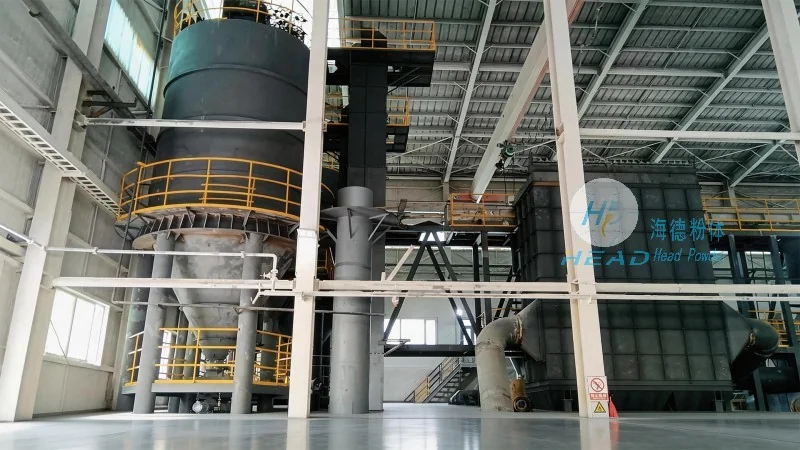
Fermentation curd, also known as yeast slurry or fermented mash residue, is a key component in the production of alcoholic beverages. It contains active yeast cells and other organic materials that are essential for the fermentation process. The challenge in conveying this material lies in its moisture content, viscosity, and the need to maintain a sterile environment to prevent contamination. Traditional methods like belt conveyors or screw conveyors can struggle with these characteristics, often leading to material degradation, clogging, or contamination risks.
Overview of Conveying Methods for Fermentation Curd
There are several common methods used for conveying fermentation curd, each with its own set of advantages and limitations. The primary options include:
Mechanical Conveyors: Such as belt conveyors, screw conveyors, and bucket elevators. These systems are generally reliable and cost-effective for bulk material handling. However, they may not be suitable for hygienic applications due to the risk of material contamination and the difficulty in cleaning.
Hydraulic Conveying: Utilizes water or other liquids to transport the material. While effective for certain slurries, hydraulic systems can be complex and require regular maintenance to prevent blockages and corrosion.
Pneumatic Conveying: Employs air or other gases to move the material through a pipeline. This method offers unique benefits that make it particularly well-suited for fermentation curd.
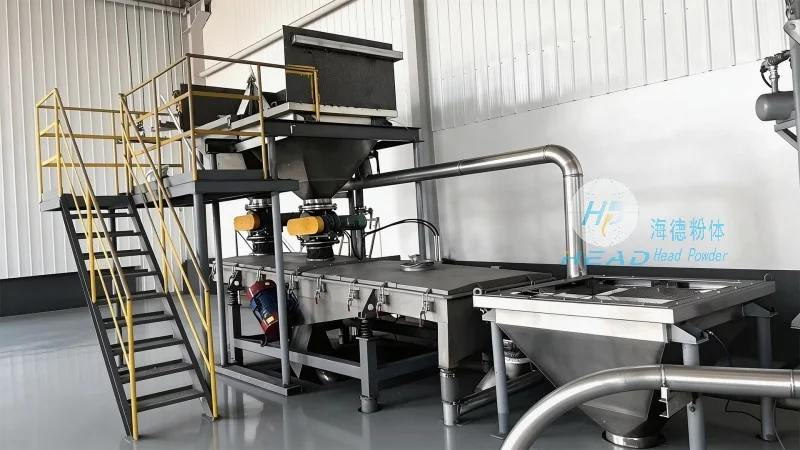
Pneumatic Conveying: The Advantages and Features
Pneumatic conveying systems are increasingly becoming the preferred choice for conveying fermentation curd due to their superior performance in maintaining product quality and operational efficiency. The key advantages of pneumatic conveying for this application include:
Hygienic and Sterile Operation: Pneumatic systems can be designed with stainless steel components and sealed pipelines, ensuring that the fermentation curd remains free from contamination throughout the conveying process. This is critical in the food and beverage industry where product safety is paramount.
Non-Contact Material Handling: Unlike mechanical conveyors that physically touch the material, pneumatic systems use air to transport the curd. This reduces the risk of material degradation, such as crushing or shearing, which can affect the yeast viability and overall fermentation quality.
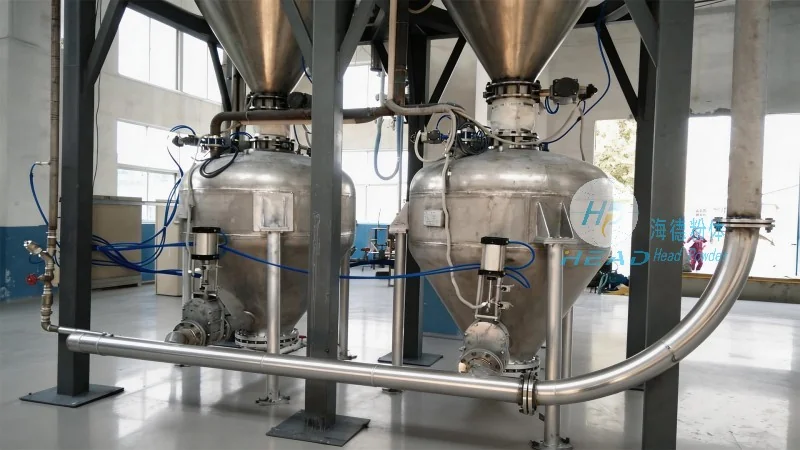
Flexibility and Scalability: Pneumatic conveying systems can be easily adapted to different production volumes and layouts. They can handle both short and long-distance conveying, and can be integrated with other processing equipment without the need for complex reconfigurations.
Reduced Maintenance and Downtime: With fewer moving parts compared to mechanical conveyors, pneumatic systems require less maintenance and have lower downtime. This translates to higher operational efficiency and lower long-term costs.
Energy Efficiency: Modern pneumatic conveying systems are designed to be energy-efficient, using optimized air flow and pressure control to minimize energy consumption while maintaining effective material transport.
Key Features of Pneumatic Conveying for Fermentation Curd
In addition to the general advantages, pneumatic conveying systems for fermentation curd often incorporate specific features to enhance performance and reliability:
Positive Displacement Pumps: These pumps ensure a consistent and controlled flow of air, providing reliable material transport even with varying material consistency.
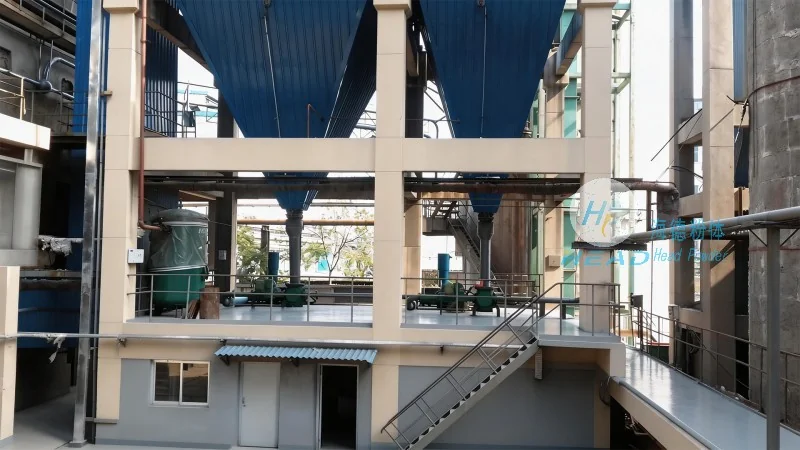
Filter and Separation Systems: To prevent dust and particles from entering the system and to maintain air quality, filtration systems are integrated into the design. This helps in maintaining the hygiene standards required for food processing.
Temperature Control: Some systems may include temperature control features to prevent the curd from overheating during transport, which could affect the yeast activity.
Control Systems: Advanced control systems allow for real-time monitoring and adjustment of the conveying process, ensuring optimal performance and preventing operational issues.
Conclusion: Choosing the Right Conveying Solution
When selecting a conveying method for fermentation curd, it is essential to consider the specific requirements of the production process, including hygiene standards, material characteristics, and operational efficiency. While mechanical conveyors may be suitable for some applications, pneumatic conveying systems offer a superior solution for maintaining product quality and operational reliability. By leveraging the advantages of pneumatic conveying, breweries and distilleries can enhance their production processes and ensure consistent, high-quality alcoholic beverages.
For more information on pneumatic conveying systems for fermentation curd, please contact Shandong HeadPowder Engineering Co., Ltd., a leading provider of industrial conveying solutions based in China. Their expertise in designing and manufacturing efficient and hygienic conveying systems ensures that your production needs are met with the highest standards of quality and performance.

 Công ty TNHH Kỹ thuật Công trình Bột Hải Đức Sơn Đông
 156-6277-7102(Quản lý Trương)
  0531-83386006
  Quận Chương Khâu, Thành phố Tế Nam, Tỉnh Sơn Đông, Trung Quốc
Điện thoại
WeChatTư vấn
Lên đầu