Công ty Hải Đức Bột với hơn 10 năm kinh nghiệm vận chuyển khí, cung cấp hệ thống‑thiết bị‑quạt gió và nhận dự án tổng thầu bột cả nước
Efficient and reliable transportation of grain and other bulk materials is a critical aspect of modern agricultural and food processing operations. The choice of conveying method significantly impacts productivity, cost-effectiveness, and the overall quality of the material handling process. This article explores various methods employed for grain bulk material conveying, focusing on the technologies and equipment offered by Shandong HeadPowder Engineering Co., Ltd., a leading provider in the field.
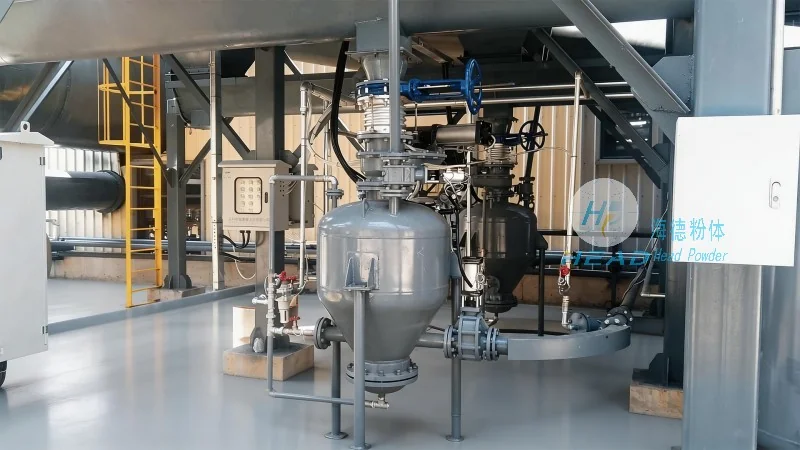
Key Factors Influencing Conveying Method Selection
When selecting a conveying system for grain, several factors must be considered to ensure optimal performance. These include the type and size of the grain, the distance to be conveyed, the required throughput, environmental conditions, and budget constraints. Understanding these factors helps in choosing the most suitable method, whether it involves mechanical, pneumatic, or combined systems. HeadPowder specializes in customizing solutions that address these specific requirements, ensuring that each client receives a tailored approach to their material handling needs.
Screw Conveyors for Grain Handling
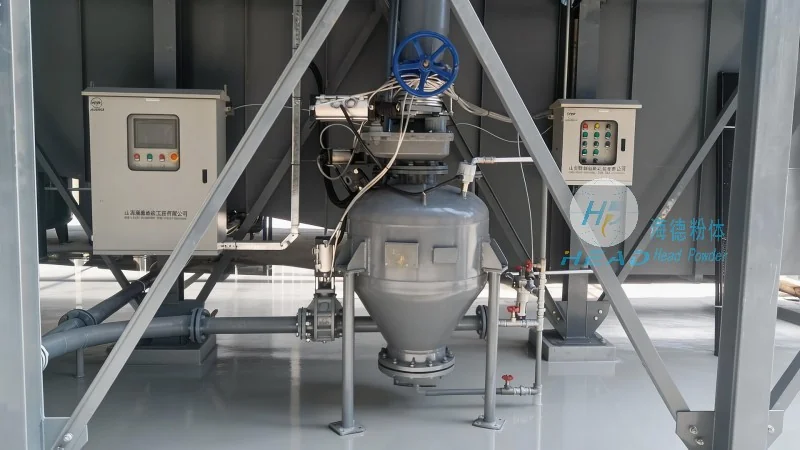
One of the most common and versatile methods for conveying grain is the screw conveyor, also known as a auger conveyor. This equipment consists of a rotating helical screw blade inside a U-shaped or cylindrical housing. As the screw rotates, it moves the grain along the length of the conveyor, making it ideal for horizontal, inclined, or vertical transport. Screw conveyors are particularly effective for handling granular materials like wheat, corn, and soybeans, as they can transport materials with minimal breakage and loss. HeadPowder's screw conveyors are designed with high-quality materials, such as stainless steel or carbon steel, to withstand the abrasive nature of grain and ensure long service life. The company offers a range of screw conveyor models, including horizontal, vertical, and inclined types, each equipped with adjustable speed controls and safety features to enhance operational efficiency.
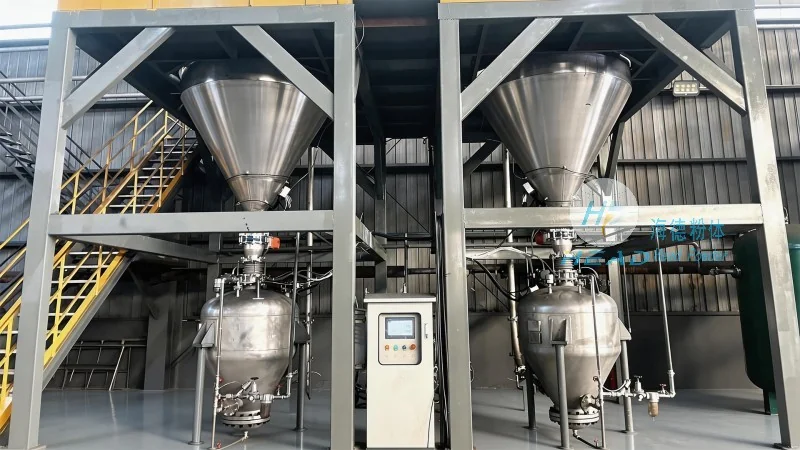
Pneumatic Conveying Systems for Bulk Material Transport
For applications requiring high throughput and minimal material degradation, pneumatic conveying systems are an excellent choice. These systems use air or gas to transport bulk materials through a pipeline network. There are two main types of pneumatic conveyors: pressure and vacuum systems. Pressure systems use compressed air to push the material forward, while vacuum systems use suction to draw the material into the pipeline. Pneumatic conveying is particularly effective for handling fine powders and granular materials, as it minimizes product contamination and allows for long-distance transport without the need for multiple transfer points. HeadPowder provides advanced pneumatic conveying solutions that incorporate high-efficiency airlocks, rotary valves, and dust collection systems to ensure clean and efficient operation. The company's systems are designed to handle various grain types, including rice, flour, and seeds, with minimal loss and maximum throughput.
Belt Conveyors for Large-Scale Grain Transport
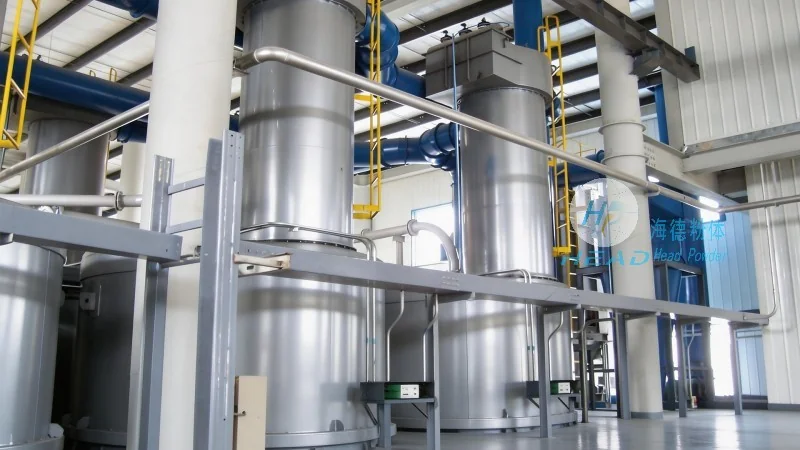
Belt conveyors are widely used in large-scale grain handling operations due to their ability to transport large volumes of material over long distances. This method involves a continuous belt that moves over rollers or pulleys, carrying the grain from one point to another. Belt conveyors are suitable for both horizontal and inclined transport and can be integrated with other equipment, such as elevators and sorters, to form a comprehensive material handling system. HeadPowder's belt conveyor systems are constructed with durable materials, such as rubber or synthetic fabrics, to withstand heavy loads and harsh environments. The company offers customizable belt widths and lengths, as well as adjustable speed controls, to meet the specific needs of each client. Additionally, the systems are equipped with safety features, including emergency stop buttons and overload protection, to ensure safe and reliable operation.
Hybrid Conveying Systems for Enhanced Efficiency
In some cases, combining different conveying methods can provide enhanced efficiency and flexibility. Hybrid systems, such as screw-belt or pneumatic-belt combinations, are used to address complex material handling challenges. For example, a screw conveyor can be used to feed a belt conveyor, while a pneumatic system is used for short-distance transport between processing units. HeadPowder specializes in designing and manufacturing hybrid conveying systems that integrate the best features of multiple technologies. These systems are particularly useful in large-scale grain processing facilities, where different stages of the production process require different types of transport. The company's hybrid systems are engineered to optimize material flow, reduce downtime, and improve overall productivity.

 Công ty TNHH Kỹ thuật Công trình Bột Hải Đức Sơn Đông
 156-6277-7102(Quản lý Trương)
  0531-83386006
  Quận Chương Khâu, Thành phố Tế Nam, Tỉnh Sơn Đông, Trung Quốc
Điện thoại
WeChatTư vấn
Lên đầu