Công ty Hải Đức Bột với hơn 10 năm kinh nghiệm vận chuyển khí, cung cấp hệ thống‑thiết bị‑quạt gió và nhận dự án tổng thầu bột cả nước
When it comes to the efficient and reliable transportation of calcined lime, selecting the right method is crucial for industrial operations. Calcined lime, also known as quicklime, is a versatile material used in various industries, including construction, chemical manufacturing, and environmental applications. The choice of transportation method depends on factors such as the scale of operation, the distance to be covered, the material's characteristics, and the specific requirements of the end-use. This article explores the primary methods for transporting calcined lime, highlighting the advantages and considerations for each approach.
1. Pneumatic Conveying Systems
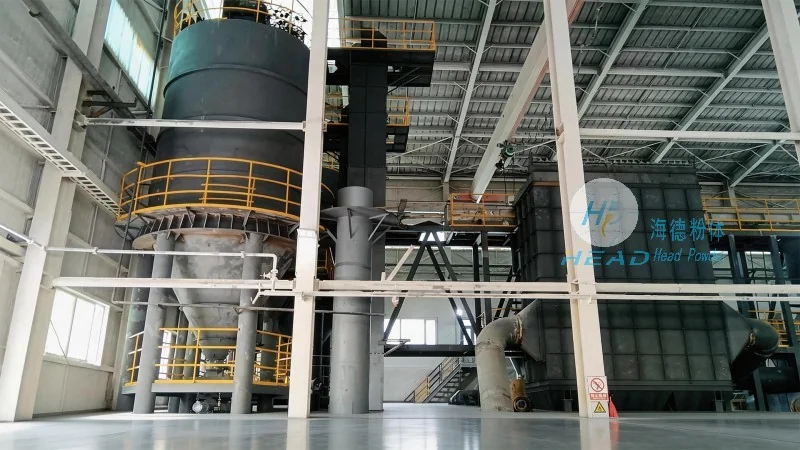
Pneumatic conveying is a popular method for transporting calcined lime, especially in applications where high efficiency and minimal dust generation are required. This system uses air pressure to move the material through a network of pipes. There are two main types of pneumatic conveying: positive displacement and pressure dilute phase. Positive displacement systems use a pump to create a vacuum or pressure, moving the material in small, controlled batches. Dilute phase systems, on the other hand, use higher air velocities to transport the material in a more fluidized state, suitable for longer distances and larger volumes. The key advantage of pneumatic conveying is its ability to handle calcined lime without the need for mechanical components that might cause wear or contamination. However, it requires a consistent air supply and may have higher energy consumption compared to other methods. The Shandong HeadPowder Engineering Co., Ltd. specializes in designing and manufacturing advanced pneumatic conveying systems tailored to the unique needs of calcined lime transportation, ensuring optimal performance and durability.
2. Belt Conveyor Systems
Belt conveyor systems are a traditional and widely used method for transporting calcined lime over medium to long distances. These systems consist of a continuous belt that moves the material from the source to the destination. The belt is typically made of durable materials like rubber or synthetic fabrics, designed to withstand the abrasive nature of calcined lime. Belt conveyors can handle large volumes of material and are suitable for both horizontal and inclined transport. They are particularly effective in industrial settings where the material needs to be moved from a storage silo to a processing plant or for bulk material handling. The main benefits of belt conveyors include high capacity, low maintenance, and the ability to operate continuously without frequent stops. However, they require regular maintenance to ensure the belt remains in good condition and to prevent material buildup or spillage. The Shandong HeadPowder Engineering Co., Ltd. offers customized belt conveyor solutions that integrate seamlessly with existing industrial infrastructure, providing reliable and efficient calcined lime transport.
3. Pipeline Transportation
Pipeline transportation is an efficient method for moving calcined lime over long distances, particularly in applications where the material is used as a raw ingredient in chemical processes. This method involves pumping the calcined lime slurry or powder through a sealed pipeline under pressure. The pipeline is usually made of corrosion-resistant materials like stainless steel or special alloys to prevent the lime from reacting with the pipe surface. The advantage of pipeline transportation is its high capacity and low operational costs, as it eliminates the need for intermediate storage or handling. However, it requires significant investment in pipeline infrastructure and may be less flexible for short-distance or variable load requirements. The Shandong HeadPowder Engineering Co., Ltd. has expertise in designing and installing pipeline systems for calcined lime, ensuring compliance with industry standards and providing long-term reliability.
4. Hydraulic Conveying
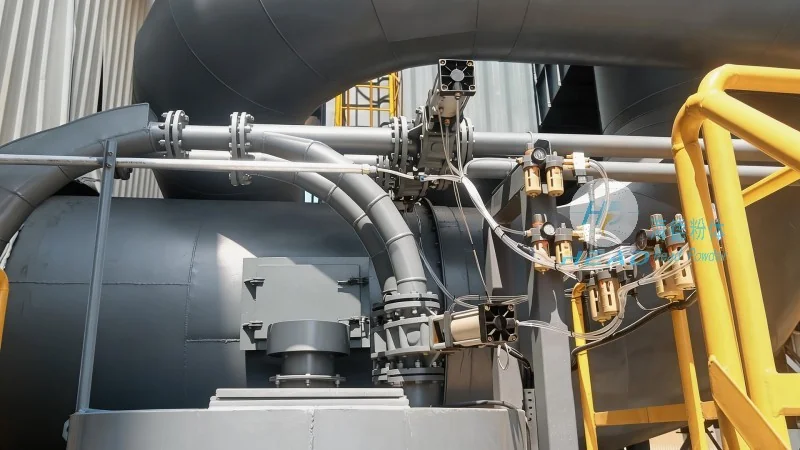
Hydraulic conveying is another method used for transporting calcined lime, especially when the material needs to be moved through a network of pipes over long distances. This system uses water or a water-based slurry to transport the calcined lime particles. The slurry is pumped through the pipeline, and the calcined lime is suspended in the liquid, allowing for efficient transport. Hydraulic conveying is particularly effective for handling fine powders and can be used in applications where the material needs to be mixed with other substances before processing. The main advantage of this method is its ability to transport calcined lime in a controlled manner, reducing dust and ensuring consistent flow. However, it requires careful management of the slurry's consistency and may have higher water usage compared to other methods. The Shandong HeadPowder Engineering Co., Ltd. provides hydraulic conveying solutions that are tailored to the specific characteristics of calcined lime, ensuring optimal performance and minimal environmental impact.
5. Manual and Mechanical Handling
For smaller-scale operations or in situations where the volume of calcined lime is low, manual and mechanical handling methods may be used. These include the use of buckets, shovels, or mechanical loaders to move the material from one location to another. While these methods are simple and cost-effective for small quantities, they are less efficient and more labor-intensive compared to automated systems. They are typically used in laboratory settings or for minor adjustments in industrial processes. The main considerations for manual handling are the safety of the workers and the need to prevent dust exposure. The Shandong HeadPowder Engineering Co., Ltd. offers complementary equipment and solutions that support manual handling processes, ensuring compliance with safety regulations and improving overall operational efficiency.
6. Factors Influencing the Choice of Transportation Method
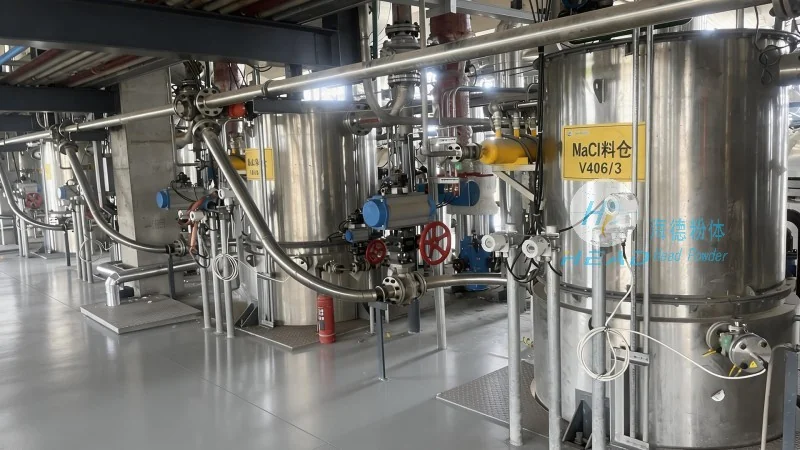
The selection of the most suitable transportation method for calcined lime depends on several key factors. The first is the distance to be covered, as shorter distances may favor manual or belt conveyor systems, while longer distances may require pneumatic or pipeline systems. The second factor is the volume of material to be transported, as high-volume operations may benefit from belt conveyors or pipeline systems. The third factor is the material's characteristics, such as its particle size, moisture content, and abrasiveness, which can affect the choice of equipment and system design. Additionally, the end-use of the calcined lime and the specific requirements of the industrial process must be considered. For example, if the calcined lime is used in a chemical reaction that requires a specific particle size, the transportation method must ensure that the material is not degraded or contaminated during transit. The Shandong HeadPowder Engineering Co., Ltd. provides comprehensive consultation services to help clients evaluate these factors and select the optimal transportation method for their calcined lime operations.
7. Maintenance and Operational Considerations
Regardless of the transportation method chosen, regular maintenance and proper operation are essential to ensure the longevity and efficiency of the system. For pneumatic conveying systems, regular checks of the air pressure and filter systems are necessary to prevent blockages and maintain consistent material flow. Belt conveyor systems require periodic inspection of the belt condition, tension, and pulley alignment to avoid breakdowns and material spillage. Pipeline and hydraulic systems need to be monitored for leaks, corrosion, and slurry consistency to ensure smooth operation. The Shandong HeadPowder Engineering Co., Ltd. offers maintenance and support services to help clients keep their calcined lime transportation systems in optimal condition, minimizing downtime and maximizing productivity.
8. Environmental and Safety Considerations
Transporting calcined lime involves several environmental and safety considerations. Calcined lime is a caustic material that can cause skin and eye irritation, and it can also generate dust that is harmful if inhaled. Therefore, proper ventilation and dust control measures are essential in any transportation system. The use of enclosed systems, such as pneumatic conveyors or sealed pipelines, helps to minimize dust exposure and prevent environmental contamination. Additionally, the material should be handled in accordance with safety regulations to protect workers and prevent accidents. The Shandong HeadPowder Engineering Co., Ltd. adheres to strict environmental and safety standards in the design and operation of its calcined lime transportation systems, ensuring that clients can operate their facilities with minimal risk to personnel and the environment.
9. Conclusion
In conclusion, the choice of transportation method for calcined lime is a critical decision that impacts the efficiency, cost, and safety of industrial operations. Pneumatic conveying, belt conveyors, pipeline transportation, hydraulic conveying, and manual handling each offer unique advantages and considerations. The optimal method depends on the specific requirements of the operation, including distance, volume, material characteristics, and end-use. By selecting the right transportation method and ensuring proper maintenance and operation, industrial facilities can achieve reliable and efficient calcined lime transport. The Shandong HeadPowder Engineering Co., Ltd. provides comprehensive solutions and expertise to help clients navigate these choices and implement effective calcined lime transportation systems.

 Công ty TNHH Kỹ thuật Công trình Bột Hải Đức Sơn Đông
 156-6277-7102(Quản lý Trương)
  0531-83386006
  Quận Chương Khâu, Thành phố Tế Nam, Tỉnh Sơn Đông, Trung Quốc
Điện thoại
WeChatTư vấn
Lên đầu