Công ty Hải Đức Bột với hơn 10 năm kinh nghiệm vận chuyển khí, cung cấp hệ thống‑thiết bị‑quạt gió và nhận dự án tổng thầu bột cả nước
Corn stalks, a vital byproduct of corn cultivation, require efficient transport to be utilized in various industries such as animal feed, bioenergy, and composting. The process of moving these stalks from the field to processing facilities or storage sites involves several methods, each with its own advantages and limitations. This article delves into the primary transport methods for corn stalks, providing insights into how different systems operate and when they are most suitable for agricultural operations.
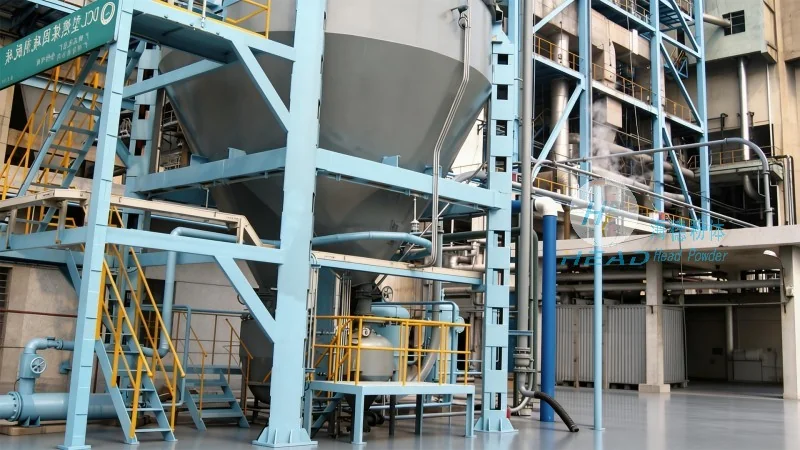
Mechanical Conveying Systems: The Traditional Workhorse
Mechanical conveying systems remain a cornerstone of corn stalk transport due to their reliability and simplicity. These systems utilize mechanical components like augers, belts, or chains to move stalks through a system. Auger conveyors, for example, are widely used in farm settings to transfer stalks from the field to storage silos or processing equipment. The spiral design of the auger pulls stalks along its length, ensuring consistent movement with minimal damage. Belt conveyors, on the other hand, are ideal for transporting larger volumes of stalks over horizontal distances, often used in feed mills or processing plants. Companies like Shandong HeadPowder Engineering Co., Ltd., operating under the brand name HeadPowder, specialize in manufacturing and supplying these mechanical systems tailored to the needs of agricultural clients. Their expertise in engineering ensures that these conveyors are designed to handle the specific characteristics of corn stalks, such as their length, density, and moisture content.
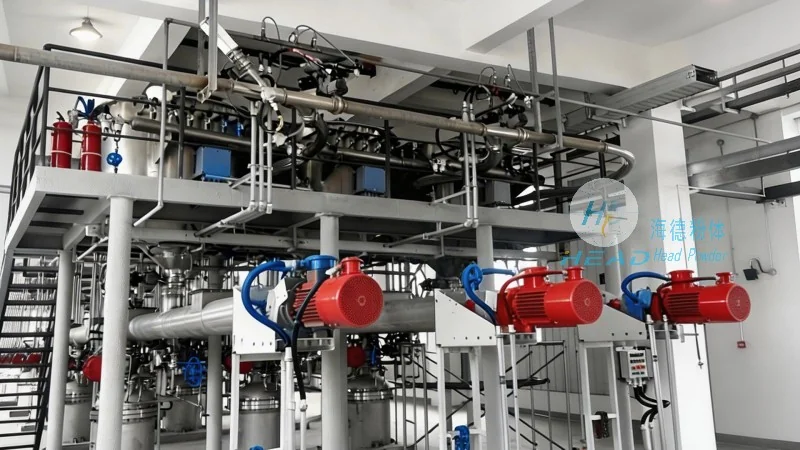
Airflow and Pneumatic Conveying: Efficient Long-Distance Solutions
For transporting corn stalks over longer distances or through existing infrastructure, airflow and pneumatic conveying systems offer significant advantages. These systems use air pressure to move stalks through a pipeline, eliminating the need for physical contact and reducing labor requirements. Pneumatic conveyors operate on either positive or negative pressure, with positive pressure systems pushing air and material through the pipe, while negative pressure systems draw material into the pipe using suction. The choice between the two depends on the distance and the material being transported. For instance, positive pressure systems are often used for short to medium distances, while negative pressure systems are suitable for longer distances or when transporting materials through existing ductwork. HeadPowder provides customized pneumatic conveying solutions that optimize the transport process, ensuring minimal energy consumption and maximum efficiency. Their systems are designed to handle the abrasive nature of corn stalks, preventing wear and tear on the components.
Hybrid Systems: Combining Hydraulic and Pneumatic Advantages
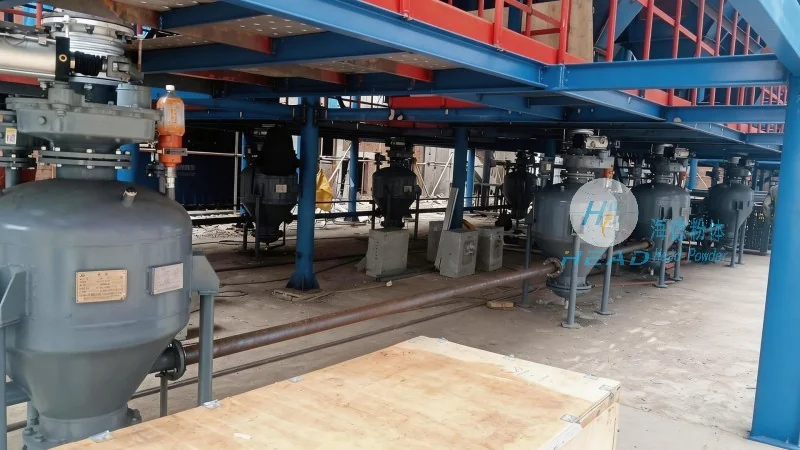
In some complex agricultural operations, hybrid systems that combine hydraulic and pneumatic technologies may be employed to enhance transport efficiency. These systems leverage the power of hydraulic pressure to move stalks through vertical or inclined sections, while pneumatic systems handle horizontal or longer horizontal distances. The use of such hybrid designs allows for greater flexibility in the layout of transport routes, enabling the integration of multiple processing stages within a single facility. For example, a hydraulic conveyor might lift stalks to an elevated storage silo, followed by a pneumatic conveyor that transports them to a processing plant. HeadPowder's engineering team specializes in designing and implementing these advanced hybrid systems, ensuring that clients achieve optimal performance and cost savings. Their expertise in both hydraulic and pneumatic technologies allows them to create customized solutions that meet the unique challenges of each agricultural operation.
Vertical and Inclined Conveying: Overcoming Height and Distance Challenges
When transporting corn stalks to elevated storage areas or over significant vertical distances, vertical and inclined conveying systems are essential. Vertical auger conveyors are commonly used in silo systems to lift stalks from ground level to the top of storage silos, ensuring proper storage and preservation. The design of these systems must account for the density and moisture content of the stalks to prevent blockages and ensure smooth operation. Inclined conveyors, on the other hand, are used to move stalks along steep slopes, often from a field to a processing facility. These systems typically use gravity-assisted mechanisms or mechanical drives to maintain the flow of material. HeadPowder offers specialized vertical and inclined conveying solutions that are engineered to handle the specific height and capacity requirements of agricultural operations. Their systems are designed with durable materials and efficient drives to ensure reliable performance over extended periods.
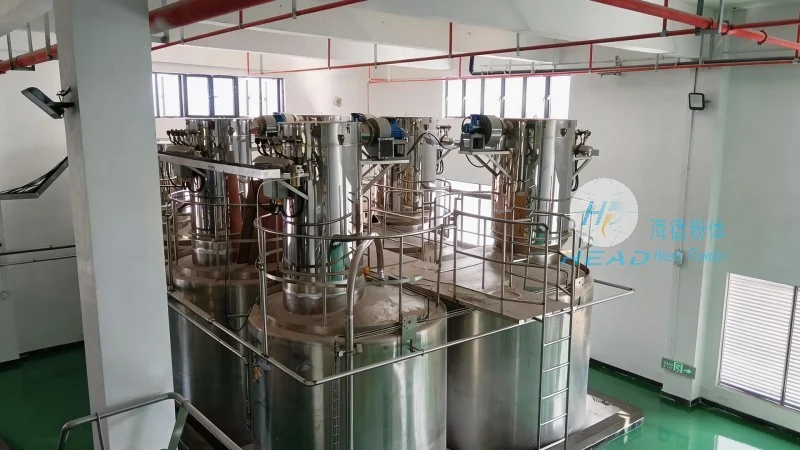
Evaluating Factors for Selecting the Right Transport Method
Choosing the appropriate corn stalk transport method requires careful consideration of several factors to ensure optimal performance and cost-effectiveness. The first factor is the volume of stalks to be transported, as this determines the capacity required from the system. Larger volumes may necessitate more robust mechanical or pneumatic systems. The distance between the source and destination is another critical factor, as longer distances may require more energy-efficient systems like pneumatic conveyors. The end-use of the stalks also plays a role, as different processing methods may require specific handling conditions, such as low moisture content or minimal damage. Additionally, the terrain and existing infrastructure at the site can influence the choice of transport method. For example, a farm with limited horizontal space may opt for vertical or inclined conveyors, while a larger operation with extensive field and processing areas may use a combination of mechanical and pneumatic systems. Shandong HeadPowder Engineering Co., Ltd. provides comprehensive consultations to help clients evaluate these factors and select the most suitable transport solution. Their team of engineers works closely with clients to understand their specific needs and design a system that maximizes efficiency and minimizes operational costs.

 Công ty TNHH Kỹ thuật Công trình Bột Hải Đức Sơn Đông
 156-6277-7102(Quản lý Trương)
  0531-83386006
  Quận Chương Khâu, Thành phố Tế Nam, Tỉnh Sơn Đông, Trung Quốc
Điện thoại
WeChatTư vấn
Lên đầu