Công ty Hải Đức Bột với hơn 10 năm kinh nghiệm vận chuyển khí, cung cấp hệ thống‑thiết bị‑quạt gió và nhận dự án tổng thầu bột cả nước
When it comes to the transportation of lightweight aggregates, selecting the right conveying method is crucial for efficiency and cost-effectiveness in construction and industrial applications. Lightweight aggregates, such as expanded clay, perlite, and vermiculite, require specialized handling due to their low density and unique physical properties. The choice of conveying method depends on factors like material characteristics, distance, volume, and operational environment. Here, we explore several effective methods for lightweight aggregate conveying.
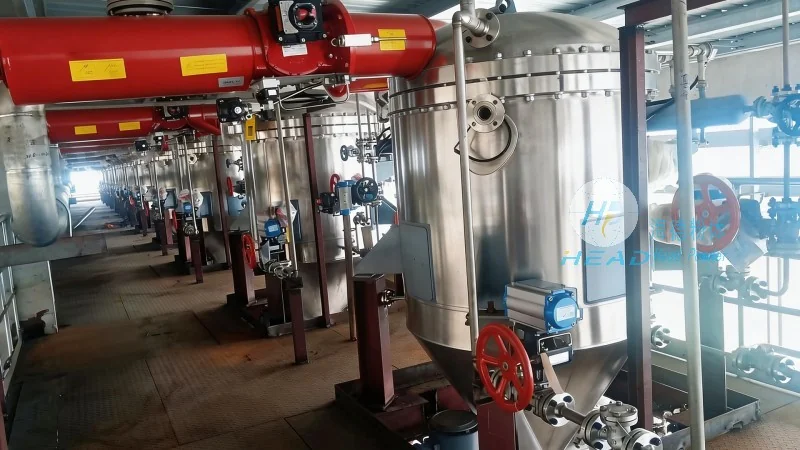
1. Belt Conveyor Systems for Lightweight Aggregate Transport
Belt conveyors are among the most common and versatile solutions for transporting lightweight aggregates. These systems use a continuous belt to move materials from one point to another, making them suitable for both short and long distances. The key advantages of belt conveyors include high capacity, low maintenance, and the ability to handle various aggregate types, including lightweight ones. For lightweight aggregates, specialized belt materials and tensioning systems are often employed to prevent slippage and ensure smooth operation. Belt conveyors can be configured in various orientations, such as horizontal, inclined, or even vertical, depending on the layout of the facility. They are particularly effective in continuous production lines where consistent material flow is essential.
2. Pneumatic Conveying Systems for Lightweight Aggregate Handling
Pneumatic conveying, or air-based transport, is another popular method for lightweight aggregate handling. This technique uses air pressure to move materials through a pipeline. There are two main types of pneumatic conveying: positive pressure and negative pressure. Positive pressure systems blow air and material into a pipeline, while negative pressure systems draw material into a pipeline using vacuum. Pneumatic conveying is ideal for lightweight aggregates because the low density of the material allows it to be easily suspended and transported by air currents. This method is especially useful for applications requiring dust control and enclosed material handling, as the entire process can be contained within a system. However, it's important to consider the pressure requirements and energy consumption when implementing pneumatic conveying for lightweight aggregates.
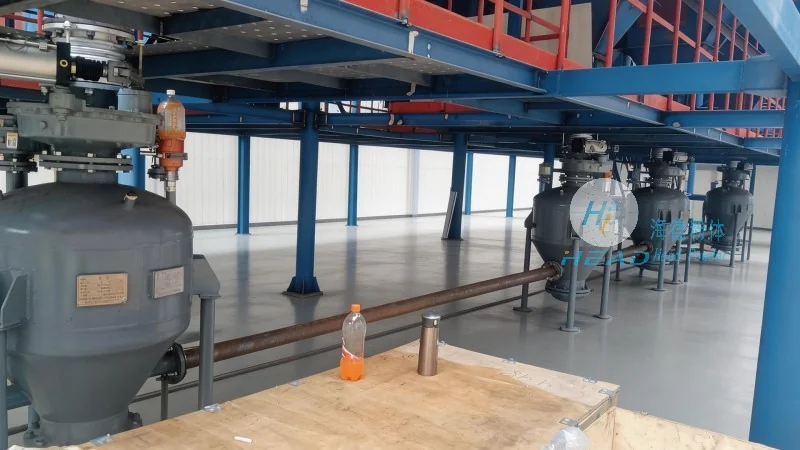
3. Screw Conveyors for Compact Lightweight Aggregate Transport
Screw conveyors, also known as auger conveyors, are compact and efficient for transporting lightweight aggregates in confined spaces. These systems consist of a rotating screw inside a tube or trough, which pushes material forward. Screw conveyors are particularly suitable for horizontal or slightly inclined transport, as they can handle a wide range of material sizes and shapes. For lightweight aggregates, the screw design may be optimized to prevent material buildup and ensure consistent flow. One of the main benefits of screw conveyors is their ability to operate in a closed system, which helps maintain material integrity and reduces dust emissions. They are commonly used in batching plants, storage facilities, and processing lines where space is limited and precise material control is needed.
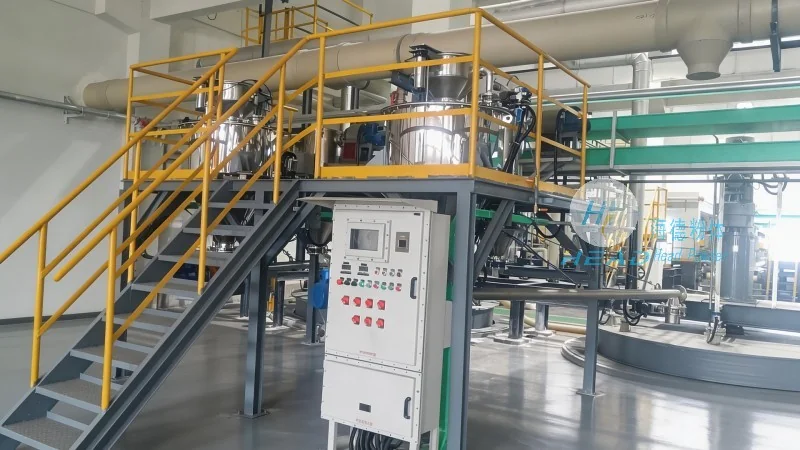
4. Hydraulic Conveying Systems for High-Volume Lightweight Aggregate Transport
Hydraulic conveying systems use water or other liquids to transport lightweight aggregates. This method is particularly effective for high-volume applications where large quantities of material need to be moved over long distances. The system typically involves a pump that pushes water and material through a pipeline, with the material being suspended and carried by the fluid flow. Hydraulic conveying is known for its high capacity and ability to handle abrasive materials, making it suitable for some lightweight aggregates that may have fine particles. However, it requires careful management of water usage and disposal, as the system generates wastewater that needs to be treated. Additionally, the initial investment and maintenance costs for hydraulic systems can be higher compared to other methods.
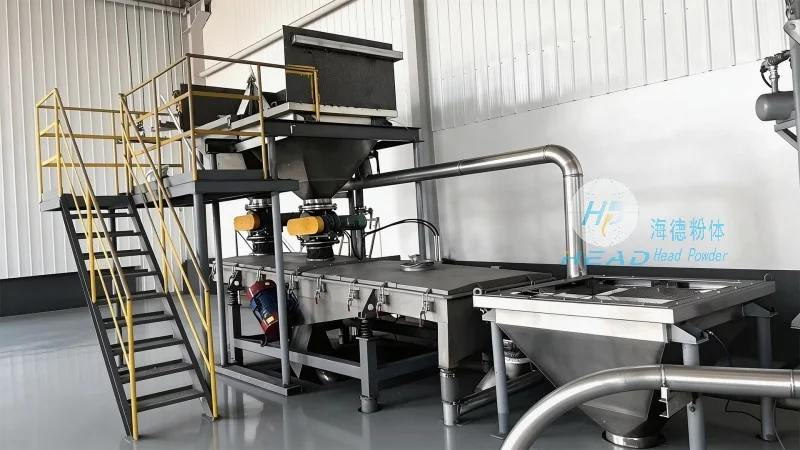
5. Gravity Conveying for Low-Volume Lightweight Aggregate Transport
Gravity conveying, or incline chutes, is a simple and cost-effective method for transporting lightweight aggregates over short distances with minimal elevation changes. This technique relies on the natural force of gravity to move materials down a sloped surface. Gravity conveyors are often used in storage yards or for transferring materials from one level to another in a facility. They are particularly suitable for lightweight aggregates that are free-flowing and have a relatively low angle of repose. The main advantage of gravity conveying is its low operational cost, as it requires no moving parts or energy input. However, it is limited by the need for a suitable slope and is not suitable for long distances or significant elevation changes.
When selecting a conveying method for lightweight aggregates, it's essential to consider the specific requirements of the application, including material characteristics, distance, and operational constraints. Each method has its own advantages and limitations, and the optimal choice depends on the overall project goals and budget. By understanding the different options available, businesses can choose the most efficient and cost-effective solution for their lightweight aggregate conveying needs.

 Công ty TNHH Kỹ thuật Công trình Bột Hải Đức Sơn Đông
 156-6277-7102(Quản lý Trương)
  0531-83386006
  Quận Chương Khâu, Thành phố Tế Nam, Tỉnh Sơn Đông, Trung Quốc
Điện thoại
WeChatTư vấn
Lên đầu