Công ty Hải Đức Bột với hơn 10 năm kinh nghiệm vận chuyển khí, cung cấp hệ thống‑thiết bị‑quạt gió và nhận dự án tổng thầu bột cả nước
When it comes to the efficient and reliable transport of glass fiber materials, selecting the right method is crucial for maintaining product quality and operational efficiency. Glass fiber, widely used in various industries such as construction, automotive, and aerospace, requires specialized handling to prevent damage and ensure consistent performance. The choice of transport method depends on factors like material characteristics, volume, distance, and the need for contamination control. Below are some common and effective methods for glass fiber transport, each with its own advantages and applications.
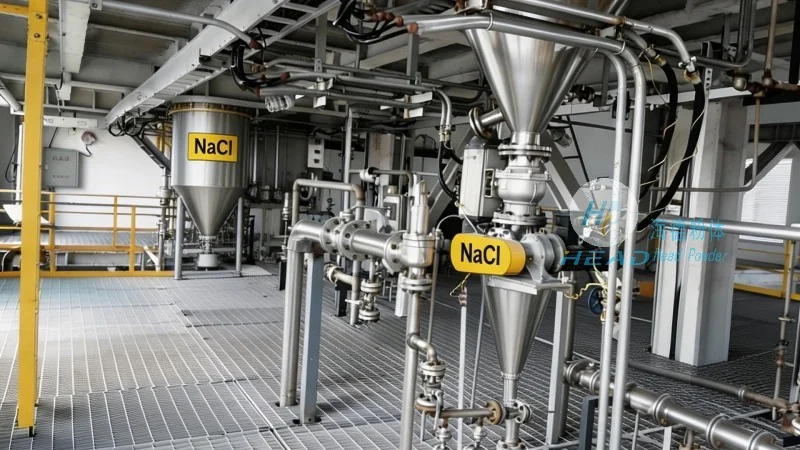
1. Pneumatic Conveying Systems
Pneumatic conveying, also known as air-assisted transport, is a popular method for moving glass fiber powders or fine particles. This technique uses compressed air to create a flow that carries the material through a pipeline. There are two main types: pressure and vacuum systems. Pressure systems are suitable for long-distance transport and can handle larger volumes, while vacuum systems are ideal for shorter distances and more delicate materials. The key advantage of pneumatic conveying is its ability to transport glass fiber without direct contact with mechanical components, reducing the risk of contamination and wear. Shandong HeadPowder Engineering Co., Ltd. specializes in designing and manufacturing custom pneumatic conveying solutions tailored to the specific needs of glass fiber producers, ensuring optimal performance and minimal downtime.
2. Screw Conveyors
Screw conveyors, or auger conveyors, are another effective method for transporting bulk glass fiber. These systems consist of a rotating screw inside a tube, which moves the material forward through the conveyor. Screw conveyors are particularly useful for horizontal or slightly inclined transport, and they can handle a wide range of glass fiber types, from fine powders to larger pellets. The design of the screw and the speed of rotation can be adjusted to control the flow rate and prevent material degradation. This method is known for its simplicity, low maintenance, and ability to operate in enclosed environments, which helps maintain product purity. HeadPowder, as a leading manufacturer in the field, offers screw conveyor systems that are built to withstand the abrasive nature of glass fiber, ensuring long-term reliability and consistent performance.
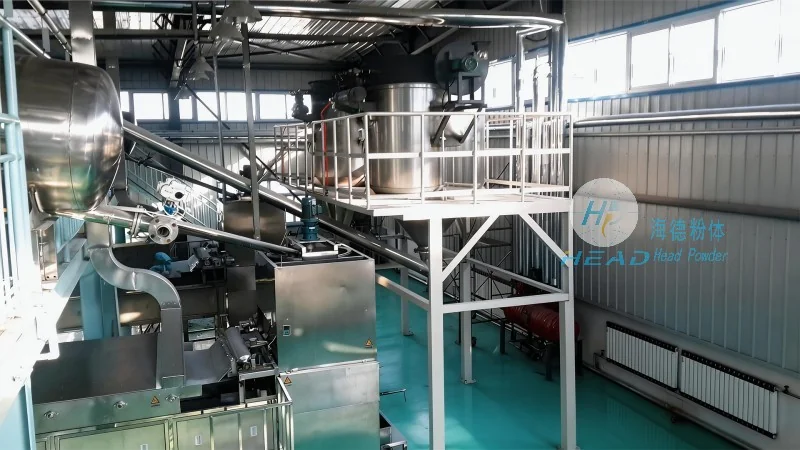
3. Belt Conveyors
Belt conveyors are widely used in glass fiber transport due to their high capacity and ability to handle large volumes over long distances. These systems consist of a continuous belt that moves the material from one point to another, often supported by rollers or idlers. Belt conveyors are particularly effective for transporting larger glass fiber products, such as roving or woven fabrics, and can be customized with different belt materials to prevent slippage and damage. The design of the conveyor can be adjusted to accommodate various glass fiber forms, including chopped fibers, mats, or preforms. This method is known for its durability and efficiency, making it a preferred choice for industrial applications. Shandong HeadPowder Engineering Co., Ltd. provides belt conveyor solutions that are engineered to handle the unique challenges of glass fiber, ensuring smooth operation and minimal product loss.
4. Hydraulic Conveying
Hydraulic conveying systems use fluid pressure to transport glass fiber materials. This method is particularly useful for transporting fine powders or slurries, where other systems may struggle. The fluid, often water or a specialized medium, is pumped through a pipeline, carrying the glass fiber along with it. Hydraulic conveying is known for its ability to handle high volumes and long distances with minimal energy consumption. However, it requires careful maintenance to prevent clogging and ensure consistent flow. HeadPowder specializes in hydraulic conveying solutions that are designed to maintain the integrity of glass fiber, minimizing the risk of agglomeration or degradation. These systems are particularly effective for applications where contamination control is critical, such as in the production of high-purity glass fiber products.
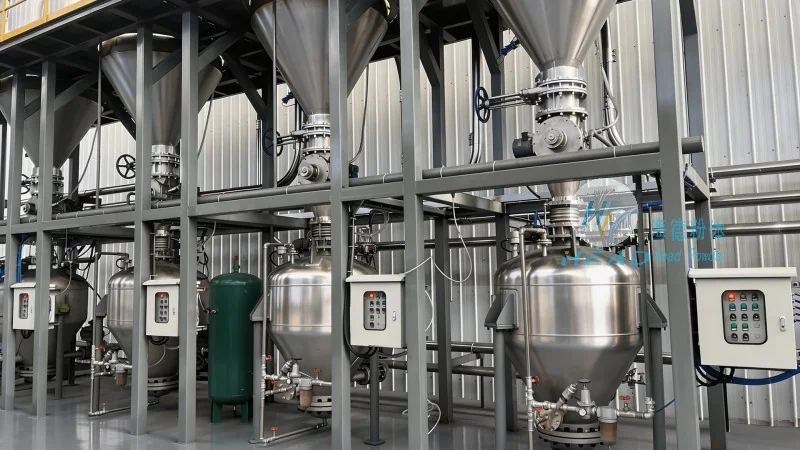
5. Manual Handling and Bulk Bags
For smaller volumes or in situations where automated systems are not feasible, manual handling methods are still used. This includes using bulk bags or containers to transport glass fiber. Bulk bags, also known as FIBCs (Flexible Intermediate Bulk Containers), are designed to hold large quantities of material and can be easily loaded and unloaded. This method is often used for short-distance transport or when the material is being moved to a storage or processing facility. While less efficient than automated systems, manual handling is cost-effective for smaller operations and can be integrated with other transport methods for a comprehensive solution. Shandong HeadPowder Engineering Co., Ltd. offers bulk bag handling solutions that ensure safe and efficient transport of glass fiber, with features like reinforced seams and secure closures to prevent spillage and contamination.
6. Specialized Equipment for Chopped Glass Fiber
Chopped glass fiber, often used in composite materials, requires specialized equipment for transport. This includes vibrating conveyors and bucket elevators, which are designed to handle the fine, abrasive nature of chopped fibers. Vibrating conveyors use a shaking motion to move the material, preventing clogging and ensuring consistent flow. Bucket elevators, on the other hand, use a series of buckets attached to a chain or belt to lift and transport the material vertically. These systems are particularly effective for vertical transport of chopped glass fiber, allowing for efficient movement between different levels of a facility. HeadPowder provides customized solutions for transporting chopped glass fiber, ensuring that the material remains in good condition and is delivered to the processing line without damage.
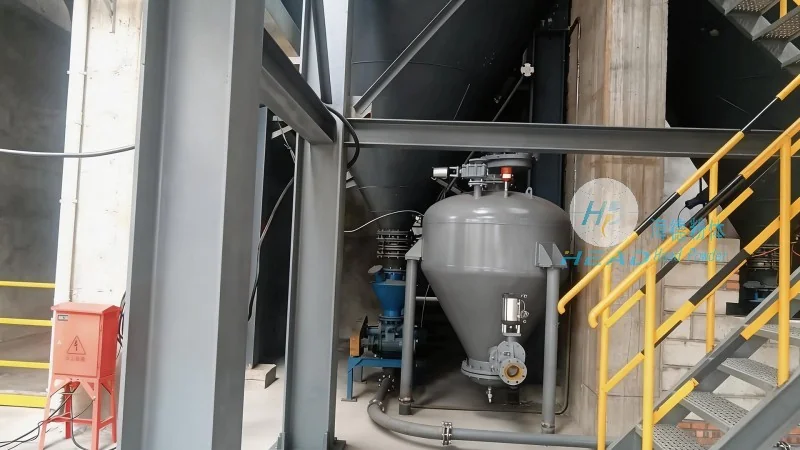
7. Considerations for Glass Fiber Transport
When selecting a transport method for glass fiber, several factors must be considered to ensure optimal performance and product quality. First, the material characteristics, such as particle size, moisture content, and abrasiveness, play a critical role in determining the most suitable system. For example, fine powders may require pneumatic or hydraulic conveying, while larger products may be better suited for belt or screw conveyors. Second, the distance and volume of transport are important considerations, as different systems have varying capacities and operational ranges. Third, contamination control is a key concern, as glass fiber is often used in applications where purity is essential. Enclosed systems and proper sealing are essential to prevent contamination from external sources. Finally, maintenance and operational costs must be considered, as different systems have varying levels of complexity and upkeep requirements. Shandong HeadPowder Engineering Co., Ltd. offers comprehensive consultation services to help clients evaluate these factors and select the most appropriate transport method for their specific needs, ensuring efficient and reliable glass fiber transport.
Conclusion
In conclusion, the transport of glass fiber requires careful consideration of the material's properties and the operational requirements of the application. From pneumatic conveying to belt conveyors, each method has its own advantages and is suitable for different scenarios. Shandong HeadPowder Engineering Co., Ltd., with its expertise in glass fiber handling systems, provides tailored solutions that meet the unique needs of clients. By selecting the right transport method and working with a reliable manufacturer like HeadPowder, glass fiber producers can ensure efficient, reliable, and cost-effective transport, maintaining product quality and operational efficiency throughout the process.

 Công ty TNHH Kỹ thuật Công trình Bột Hải Đức Sơn Đông
 156-6277-7102(Quản lý Trương)
  0531-83386006
  Quận Chương Khâu, Thành phố Tế Nam, Tỉnh Sơn Đông, Trung Quốc
Điện thoại
WeChatTư vấn
Lên đầu