Công ty Hải Đức Bột với hơn 10 năm kinh nghiệm vận chuyển khí, cung cấp hệ thống‑thiết bị‑quạt gió và nhận dự án tổng thầu bột cả nước
Phenolic resin, a versatile and widely used industrial material, demands efficient transportation solutions to maintain consistent quality and operational efficiency across production lines. The selection of an appropriate phenolic resin transportation method is critical, as it directly impacts the flow rate, pressure requirements, and overall system reliability. This article outlines the primary methods employed for phenolic resin transportation, providing insights into their functionality, benefits, and typical applications.
1. Pipeline Transportation with Positive Displacement Pumps
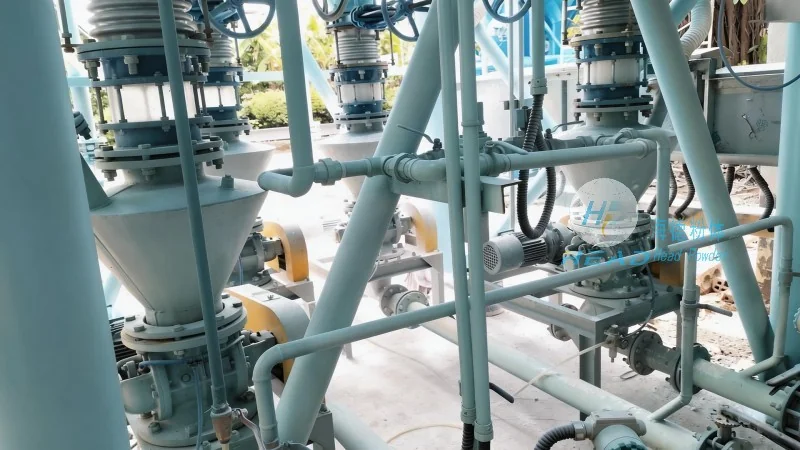
One of the most common methods for phenolic resin transportation is through pipelines equipped with positive displacement pumps. These pumps, such as gear pumps or piston pumps, are ideal for handling viscous materials like phenolic resin due to their ability to maintain consistent flow rates even under varying pressure conditions. The pipeline system typically includes valves, filters, and pressure regulators to ensure smooth operation and prevent clogging. This method is widely used in large-scale manufacturing facilities where continuous resin supply is essential.
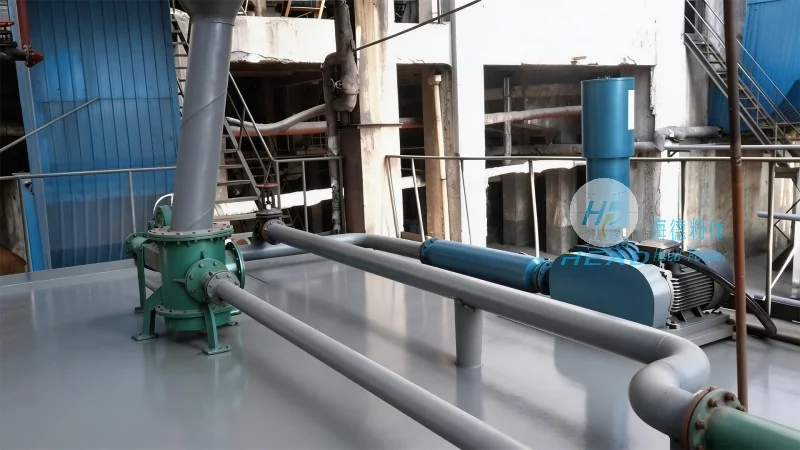
2. Gravity Flow Systems
For applications where the resin is stored at a higher elevation than the processing area, gravity flow systems offer a simple and cost-effective solution. In this setup, the resin flows through inclined pipes or troughs under the influence of gravity, eliminating the need for additional pumping equipment. This method is particularly suitable for low-viscosity phenolic resins and smaller-scale operations. However, it requires careful design to ensure adequate flow rates and prevent stagnation, which could lead to resin degradation or solidification.
3. Mechanical Conveyors and Screw Pumps
Mechanical conveyors, including screw conveyors and auger pumps, are another effective method for transporting phenolic resin, especially in bulk or semi-bulk quantities. Screw pumps use rotating screws to move the resin forward, providing a gentle and continuous flow that minimizes material degradation. This method is commonly used in mixing and blending processes where the resin needs to be evenly distributed. The design of the conveyor system must consider the resin's viscosity and potential for solidification to avoid blockages.
4. Air-Operated Diaphragm Pumps
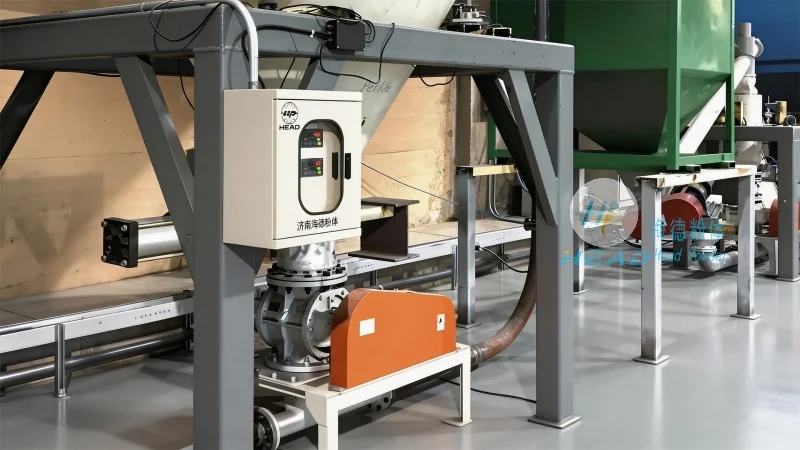
Air-operated diaphragm pumps offer a flexible and low-maintenance option for phenolic resin transportation, particularly in applications where electric power is limited or where the resin is sensitive to heat. These pumps use compressed air to drive the diaphragm, creating a pulsating flow that can handle viscous materials. They are often used in small-scale or mobile operations, providing a reliable alternative to traditional electric pumps. The selection of the pump size and air pressure is crucial to ensure optimal performance and prevent excessive wear on the diaphragm.
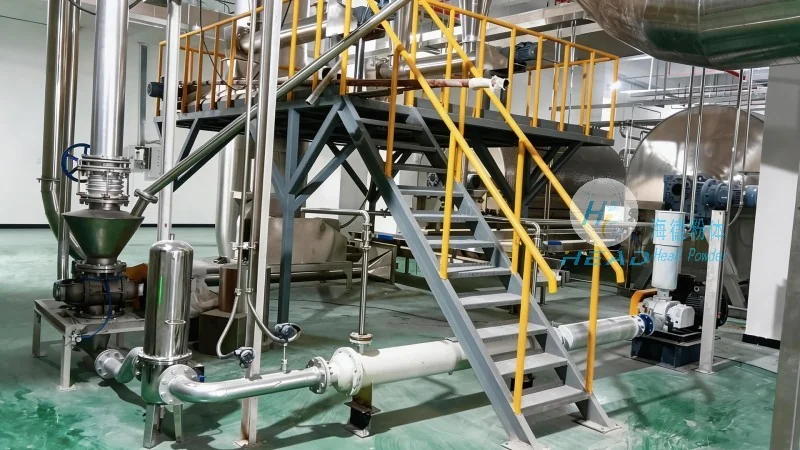
5. Combination of Methods for Complex Systems
In many industrial settings, a combination of transportation methods is employed to address the diverse requirements of phenolic resin handling. For example, a system might use gravity flow for initial transport from storage tanks to a processing area, followed by positive displacement pumps to maintain pressure and flow rates through the processing equipment. This integrated approach ensures that the resin is transported efficiently while minimizing energy consumption and equipment wear. The design of such complex systems requires careful consideration of the resin's properties, system pressures, and operational constraints.
Conclusion
Choosing the right phenolic resin transportation method is essential for maintaining production efficiency and product quality. Factors such as resin viscosity, system scale, and operational environment must be carefully evaluated to select the most suitable approach. Whether using positive displacement pumps, gravity flow, or mechanical conveyors, the goal is to ensure a consistent, reliable supply of phenolic resin to meet the demands of modern industrial applications. As technology advances, new methods and equipment continue to improve the efficiency and safety of phenolic resin transportation, supporting the growth of industries that rely on this versatile material.

 Công ty TNHH Kỹ thuật Công trình Bột Hải Đức Sơn Đông
 156-6277-7102(Quản lý Trương)
  0531-83386006
  Quận Chương Khâu, Thành phố Tế Nam, Tỉnh Sơn Đông, Trung Quốc
Điện thoại
WeChatTư vấn
Lên đầu