Công ty Hải Đức Bột với hơn 10 năm kinh nghiệm vận chuyển khí, cung cấp hệ thống‑thiết bị‑quạt gió và nhận dự án tổng thầu bột cả nước
When it comes to the efficient handling and transportation of foam plastics, selecting the right conveying method is crucial for maintaining product integrity and operational efficiency. Foam plastics, with their lightweight and often irregular shapes, present unique challenges in material handling. This article explores various methods used for foam plastic conveying, providing insights into the advantages and considerations of each approach.
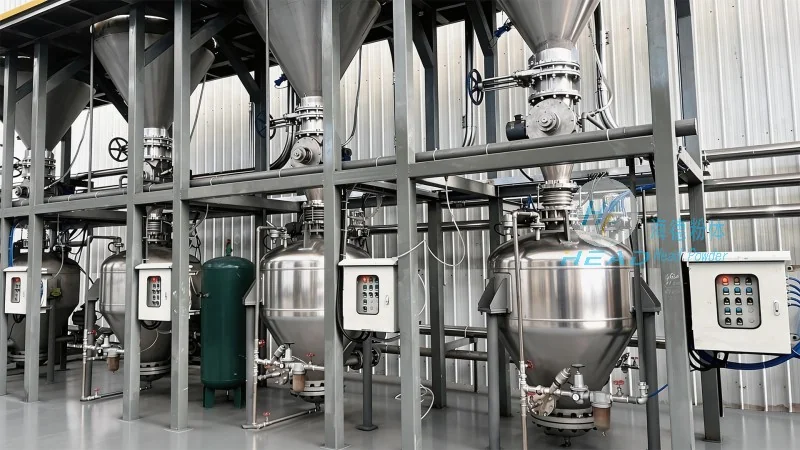
Understanding the Challenges of Foam Plastic Conveying
Before delving into specific conveying methods, it's essential to understand the inherent challenges associated with foam plastics. These materials are typically lightweight, have low density, and may feature irregular or porous structures. This makes traditional bulk material handling equipment less effective, as standard conveyors might struggle with material flow, compaction, or product damage. Additionally, foam plastics can be sensitive to moisture or mechanical stress, requiring specialized handling to prevent degradation or deformation.
Common Conveying Methods for Foam Plastics
Several methods are commonly employed for the transportation of foam plastics, each with its own set of advantages and applications. The choice of method often depends on factors such as material type, production volume, space constraints, and the desired level of product protection. Below are some of the most widely used approaches:
1. Mechanical Conveyors for Foam Plastic Handling
Mechanical conveyors remain a popular choice for foam plastic conveying due to their reliability and adaptability. These systems typically include belt conveyors, screw conveyors, and chain conveyors, each designed to handle the unique characteristics of foam materials. Belt conveyors, for instance, can be equipped with soft or flexible belts to prevent damage to the foam's surface. Screw conveyors, on the other hand, are effective for moving foam in a vertical or inclined direction, though care must be taken to avoid excessive compaction or material degradation.
2. Air-Driven Conveying Systems
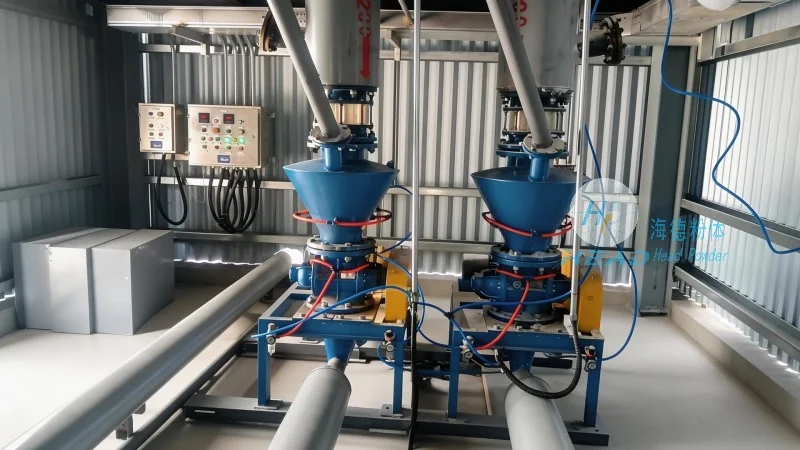
Air-driven or pneumatic conveying systems offer a non-contact method for transporting foam plastics. These systems use compressed air to move materials through a pipeline, minimizing the risk of product contamination and damage. There are two main types of pneumatic conveying: pressure and vacuum systems. Pressure systems are suitable for short-distance transport and high-volume applications, while vacuum systems are ideal for longer distances or when handling lighter materials. The choice between pressure and vacuum depends on the specific requirements of the operation, including material density and the need for gentle handling.
3. Vibratory Conveyors for Gentle Material Transport
Vibratory conveyors utilize vibrations to move foam plastics along a trough or conveyor bed. This method is particularly effective for materials that are prone to sticking or compaction. The gentle, low-impact motion helps maintain the foam's shape and prevents damage, making it suitable for delicate or irregularly shaped foam products. Vibratory conveyors can be designed with adjustable vibration frequencies and amplitudes to optimize material flow and reduce the risk of product degradation.
4. Hydraulic Conveying Solutions
Hydraulic conveying systems use fluid power to transport foam plastics, offering a highly efficient method for handling bulk materials. These systems are often used in industrial settings where high throughput and consistent material flow are required. Hydraulic conveyors can be configured to handle a wide range of foam types, from low-density foams to more rigid or high-density materials. The use of hydraulic power allows for precise control over the conveying process, ensuring that the foam is moved without excessive force or damage.
5. Automated Sorting and Conveying Systems
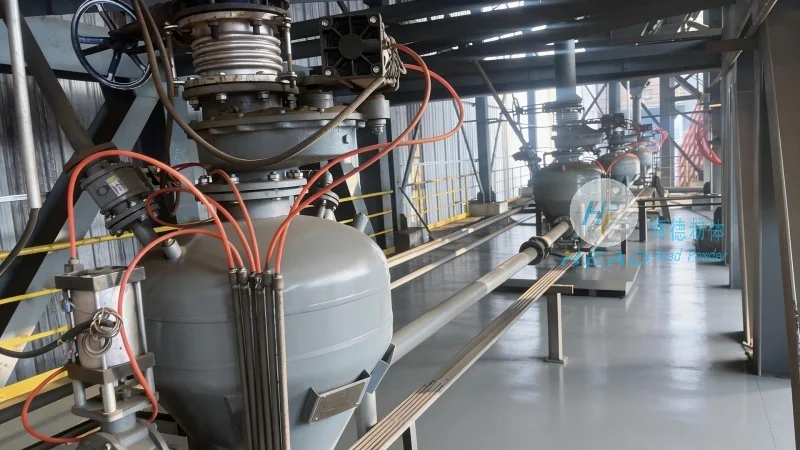
In modern manufacturing environments, automated sorting and conveying systems are increasingly common for foam plastic handling. These systems integrate sensors, sorting mechanisms, and conveyor technology to streamline the material handling process. Automated systems can sort foam based on size, shape, or density, and then transport the sorted materials to different processing or packaging stages. This not only improves efficiency but also reduces labor costs and minimizes the risk of human error in material handling.
Key Considerations for Selecting a Conveying Method
When choosing a conveying method for foam plastics, several factors must be considered to ensure optimal performance and product quality. First, the physical properties of the foam material, such as density, shape, and moisture content, play a critical role in determining the most suitable method. For example, lightweight, irregularly shaped foams may benefit from pneumatic or vibratory systems, while denser or more uniform materials might be better suited for mechanical conveyors. Second, the production volume and operational space are important considerations. High-volume operations may require larger, more robust systems, while smaller facilities might opt for compact, modular solutions. Third, the need for product protection and contamination control is a key factor. Non-contact systems like pneumatic conveying are ideal for maintaining product integrity, while mechanical systems may require additional protective measures to prevent damage.
Conclusion
Effective foam plastic conveying requires careful consideration of the material's characteristics and the operational requirements of the facility. By selecting the appropriate conveying method, manufacturers can enhance productivity, maintain product quality, and reduce operational costs. Whether using mechanical, pneumatic, vibratory, or hydraulic systems, the goal is to move foam plastics efficiently while preserving their integrity. As technology advances, new and innovative conveying solutions continue to emerge, offering even more efficient and effective ways to handle foam materials. For businesses in the foam plastic industry, understanding these conveying methods and choosing the right system is essential for success in today's competitive market.

 Công ty TNHH Kỹ thuật Công trình Bột Hải Đức Sơn Đông
 156-6277-7102(Quản lý Trương)
  0531-83386006
  Quận Chương Khâu, Thành phố Tế Nam, Tỉnh Sơn Đông, Trung Quốc
Điện thoại
WeChatTư vấn
Lên đầu