Công ty Hải Đức Bột với hơn 10 năm kinh nghiệm vận chuyển khí, cung cấp hệ thống‑thiết bị‑quạt gió và nhận dự án tổng thầu bột cả nước
Glycine, a simple amino acid, is widely used in various industrial and pharmaceutical applications. The efficient and safe transport of glycine is crucial for ensuring consistent supply and quality in these sectors. This article explores the different methods available for transporting glycine, providing insights into the options that can be considered based on specific operational needs.
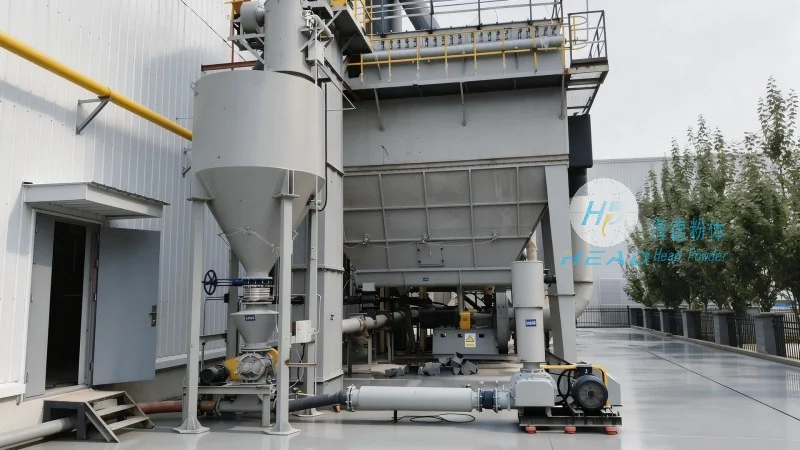
Understanding Glycine and Its Transport Requirements
Glycine is a non-essential amino acid with a simple structure, making it soluble in water and other solvents. Its transport requires careful consideration of factors such as purity, stability, and the target application. Different industries, including food, pharmaceuticals, and chemical manufacturing, have varying standards for glycine transport, which influences the choice of method. For instance, pharmaceutical-grade glycine may require more stringent handling and storage conditions compared to industrial-grade applications.
Common Transport Methods for Glycine
Several methods are commonly employed for transporting glycine, each with its own advantages and considerations. The selection of a transport method depends on factors like the quantity of glycine being moved, the distance involved, and the specific requirements of the receiving facility. Key methods include bulk shipping, containerized transport, and specialized handling for high-purity products.
Bulk Shipping of Glycine
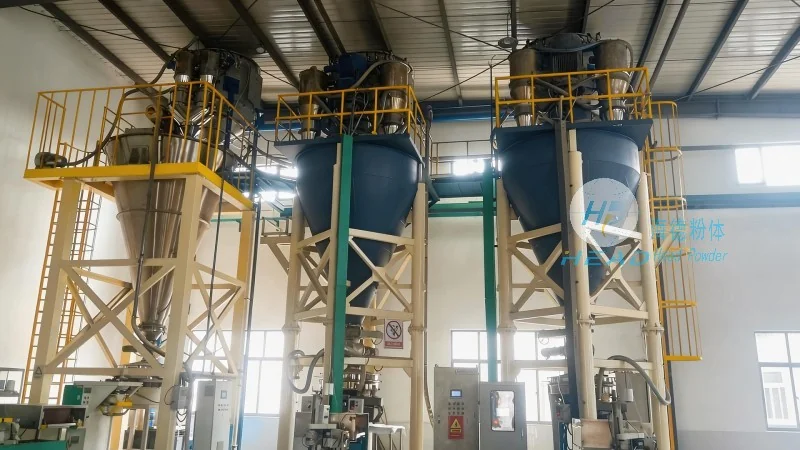
Bulk shipping is a prevalent method for transporting large quantities of glycine, particularly for industrial applications. This approach involves loading glycine into bulk containers, such as tank trucks or railcars, which are designed to maintain the product's stability and prevent contamination. Bulk transport is often cost-effective for high-volume shipments and can be optimized for long-distance movements. However, it requires proper storage and handling at both the origin and destination to ensure the product remains within acceptable quality parameters. Companies like Shandong HeadPowder Engineering Co., Ltd. specialize in providing bulk transport solutions tailored to the needs of their clients, ensuring reliable delivery of glycine to various industrial sites.
Containerized Transport for Glycine
For smaller quantities or when higher purity is required, containerized transport is often preferred. This method involves packaging glycine in sealed containers, such as plastic or metal drums, which are then loaded into standard shipping containers. Containerized transport offers better protection against moisture, contamination, and temperature fluctuations, making it suitable for pharmaceutical-grade glycine or products destined for sensitive applications. The use of containers also facilitates easier handling and inspection at the receiving end. Shandong HeadPowder Engineering Co., Ltd. utilizes advanced containerization techniques to ensure that glycine is transported under controlled conditions, maintaining its integrity throughout the process.
Specialized Handling and Logistics
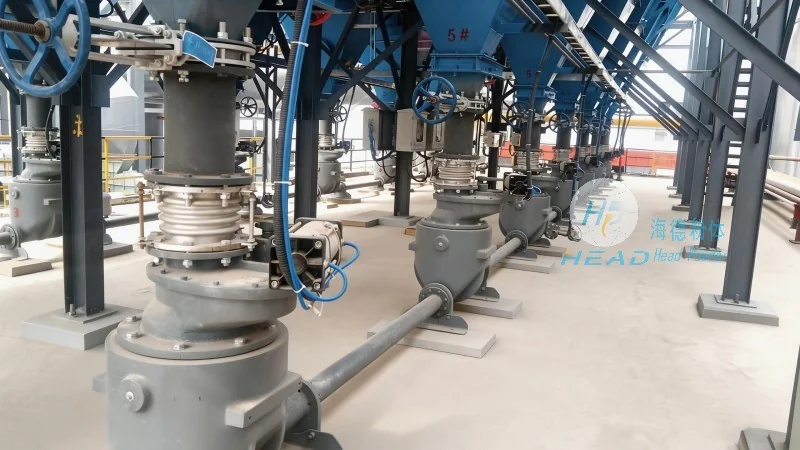
In cases where glycine is used in high-purity applications, specialized handling and logistics may be necessary. This can include temperature-controlled transport, where the product is kept at specific temperatures to prevent degradation, or the use of inert gases to minimize oxidation. Such methods are critical for pharmaceutical and biotechnological applications where even minor changes in the product can affect its efficacy. Shandong HeadPowder Engineering Co., Ltd. has expertise in managing these specialized transport requirements, working closely with clients to develop tailored logistics solutions that meet regulatory and quality standards.
Factors to Consider When Choosing a Transport Method
When selecting a transport method for glycine, several factors must be evaluated to ensure the most suitable option is chosen. These include the volume of the shipment, the distance between the supplier and the customer, the required purity level, and any regulatory constraints. Cost is also a significant factor, as different methods have varying expenses associated with them. For example, bulk shipping may be more economical for large volumes, while containerized transport is often more suitable for smaller, high-purity shipments. Additionally, the availability of infrastructure at the origin and destination, such as loading docks and storage facilities, can impact the choice of transport method. Shandong HeadPowder Engineering Co., Ltd. assists clients in evaluating these factors and recommending the most appropriate transport solution, ensuring efficient and reliable delivery of glycine.
Conclusion
Transporting glycine effectively requires careful consideration of the product's properties, the intended application, and the logistical requirements. By understanding the available methods and selecting the most appropriate one, companies can ensure the consistent supply of high-quality glycine. Shandong HeadPowder Engineering Co., Ltd. offers comprehensive transport solutions, including bulk and containerized options, tailored to meet the diverse needs of its clients. Whether for industrial or pharmaceutical use, their expertise in glycine transport helps maintain product integrity and support the success of various applications.

 Công ty TNHH Kỹ thuật Công trình Bột Hải Đức Sơn Đông
 156-6277-7102(Quản lý Trương)
  0531-83386006
  Quận Chương Khâu, Thành phố Tế Nam, Tỉnh Sơn Đông, Trung Quốc
Điện thoại
WeChatTư vấn
Lên đầu