Công ty Hải Đức Bột với hơn 10 năm kinh nghiệm vận chuyển khí, cung cấp hệ thống‑thiết bị‑quạt gió và nhận dự án tổng thầu bột cả nước
For industrial facilities dealing with calcined ash, selecting the right transportation method is crucial for efficiency, safety, and cost-effectiveness. Calcined ash, a byproduct of the calcination process, requires specialized handling due to its unique physical and chemical properties. Understanding the available transportation options helps in optimizing the overall process flow and ensuring compliance with environmental regulations.
Key Considerations for Calcined Ash Transportation
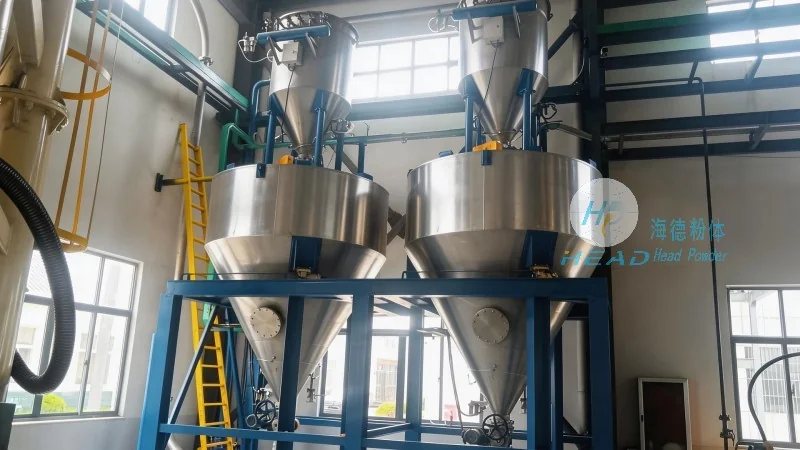
Before choosing a transportation method, several factors must be considered. These include the ash's moisture content, particle size, temperature, and the distance it needs to be transported. The choice also depends on the facility's layout, available infrastructure, and the target destination—whether it's for further processing, storage, or disposal. Additionally, operational costs, maintenance requirements, and environmental impact are critical in the decision-making process.
Common Transportation Methods for Calcined Ash
Several methods are commonly used for transporting calcined ash, each with its own advantages and limitations. The selection often depends on the specific characteristics of the ash and the operational needs of the facility. The primary methods include pneumatic conveying, belt conveyors, screw conveyors, and truck or rail transport.
Pneumatic Conveying Systems
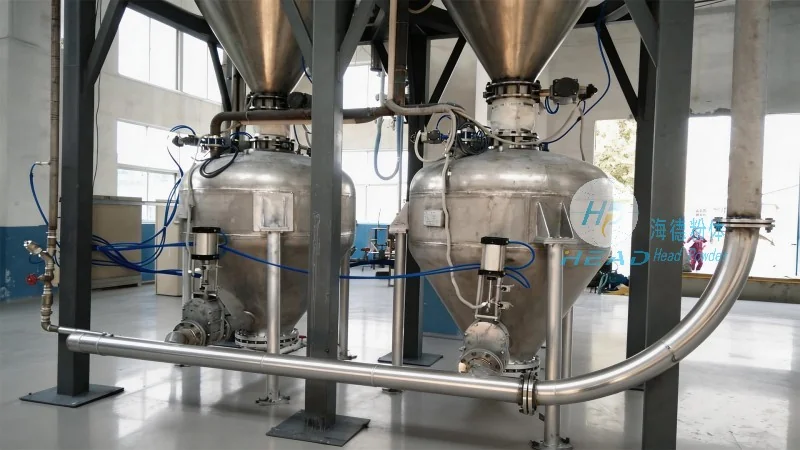
Pneumatic conveying is a widely used method for transporting calcined ash, especially over medium to long distances. This system uses air pressure to move the ash through a pipeline. There are two main types: pressure and vacuum systems. Pressure systems push the ash forward using compressed air, while vacuum systems draw the ash into the pipeline using a vacuum. Pneumatic conveying offers advantages such as flexibility in layout, minimal space requirements, and the ability to transport ash vertically and horizontally. However, it may require higher energy consumption and careful control of air flow to prevent material degradation or blockages.
Belt Conveyors
Belt conveyors are another common choice for calcined ash transportation, particularly for bulk material handling over short to medium distances. These systems consist of a continuous belt that moves the ash along a path. The belt is supported by rollers and driven by a motor. Belt conveyors are known for their high capacity, reliability, and low maintenance costs. They are suitable for transporting ash with a wide range of particle sizes and moisture levels. However, they require a relatively flat or gently sloping path and may not be suitable for vertical transport without additional mechanisms like elevators.
Screw Conveyors
Screw conveyors, also known as auger conveyors, are effective for transporting calcined ash in enclosed or semi-enclosed environments. This method uses a rotating screw (auger) to move the material along a tube or trough. Screw conveyors are ideal for vertical or inclined transport and can handle ash with varying moisture content. They are compact, easy to install, and can be integrated into existing systems. However, they may have limitations in handling very fine or abrasive ash, as the screw and trough can experience wear over time.
Truck and Rail Transport
For long-distance transportation of calcined ash, truck or rail transport may be necessary. Trucks are suitable for shorter distances or when the ash needs to be delivered to a specific location, such as a disposal site or a processing plant. Rail transport, using specialized hopper cars, is more efficient for large-scale, long-distance movements. Both methods are effective for bulk transport but require careful loading and unloading procedures to prevent spillage and ensure safety. They are also subject to traffic regulations and may have longer lead times compared to other methods.
Choosing the Right Transportation Method for Your Facility
When selecting a transportation method for calcined ash, it's essential to evaluate each option based on the specific needs of your operation. Consider factors such as the distance to be covered, the volume of ash to be transported, the required speed, and the environmental conditions. Consulting with experts in material handling and industrial engineering can provide valuable insights into the most suitable method for your facility. Additionally, regular maintenance and monitoring of the chosen system are crucial to ensure its longevity and efficiency.
Shandong HeadPowder Engineering Co., Ltd., a leading provider in the field, offers comprehensive solutions for calcined ash transportation. With years of experience and a commitment to quality, the company specializes in designing and implementing efficient transportation systems tailored to the unique requirements of each client. Based in Shandong, China, HeadPowder Engineering leverages advanced technology and industry expertise to deliver reliable and cost-effective solutions for calcined ash handling and transport. Whether you need a pneumatic system, a belt conveyor, or a trucking solution, HeadPowder Engineering is dedicated to optimizing your calcined ash transportation process and enhancing overall operational performance.

 Công ty TNHH Kỹ thuật Công trình Bột Hải Đức Sơn Đông
 156-6277-7102(Quản lý Trương)
  0531-83386006
  Quận Chương Khâu, Thành phố Tế Nam, Tỉnh Sơn Đông, Trung Quốc
Điện thoại
WeChatTư vấn
Lên đầu