Công ty Hải Đức Bột với hơn 10 năm kinh nghiệm vận chuyển khí, cung cấp hệ thống‑thiết bị‑quạt gió và nhận dự án tổng thầu bột cả nước
Efficient dust and ash conveying is a critical aspect of industrial operations, particularly in sectors such as power generation, cement production, and mining. The proper handling of these materials not only ensures operational continuity but also contributes to environmental compliance and safety standards. With various technologies available, understanding the different methods of dust and ash conveyance is essential for selecting the most suitable solution for specific applications. This article provides an overview of the primary methods used in dust and ash transportation, highlighting their advantages, limitations, and applications.
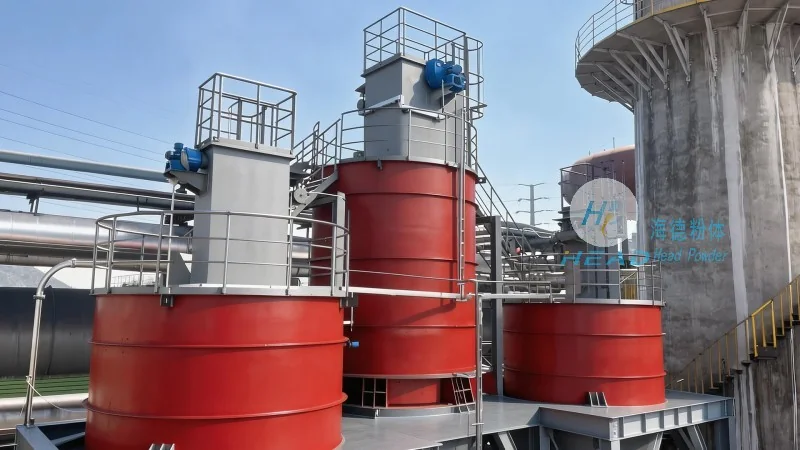
Introduction to Dust and Ash Conveying
In industrial settings, dust and ash are byproducts of combustion processes and material processing. These materials often require transport from collection points to disposal or recycling facilities. The choice of conveying method depends on factors like material properties, distance, volume, and environmental considerations. Commonly used techniques include pneumatic conveying, mechanical conveying, and hybrid systems. Each method has its own set of characteristics that make it suitable for particular scenarios.
Pneumatic Conveying Systems
Pneumatic conveying uses air or other gases to transport dust and ash through a pipeline. This method is widely adopted due to its ability to handle fine particles and long distances efficiently. There are two main types of pneumatic systems: pressure and vacuum. Pressure systems operate by blowing air into the pipeline, pushing the material forward, while vacuum systems create a negative pressure to draw material into the line. The choice between pressure and vacuum depends on the distance and the nature of the material being conveyed. Pneumatic conveying is particularly effective for handling abrasive or corrosive materials, as it minimizes wear and reduces the risk of material degradation. However, it may require higher energy consumption and careful maintenance of air filtration systems to prevent dust accumulation and ensure air quality compliance.
Mechanical Conveying Systems
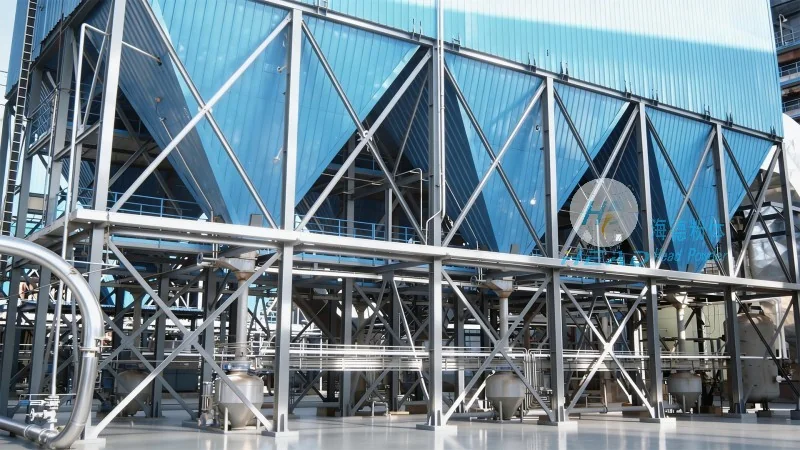
Mechanical conveying methods rely on mechanical components such as belts, screws, and buckets to transport dust and ash. Belt conveyors are among the most common, utilizing a continuous belt to move material horizontally or at a slight incline. These systems are suitable for moderate to high volumes and can handle a wide range of particle sizes. Screw conveyors, also known as augers, use a rotating screw to push material through a tube. They are ideal for handling bulk materials with moderate moisture content and are often used in applications where a vertical lift is required. Bucket elevators, on the other hand, use a series of buckets attached to a chain or belt to lift material vertically. Mechanical conveying systems are generally more cost-effective for short to medium distances and do not require compressed air, making them a preferred choice in many industrial settings. However, they may be less efficient for fine powders and can experience wear and tear from abrasive materials over time.
Hybrid Conveying Systems
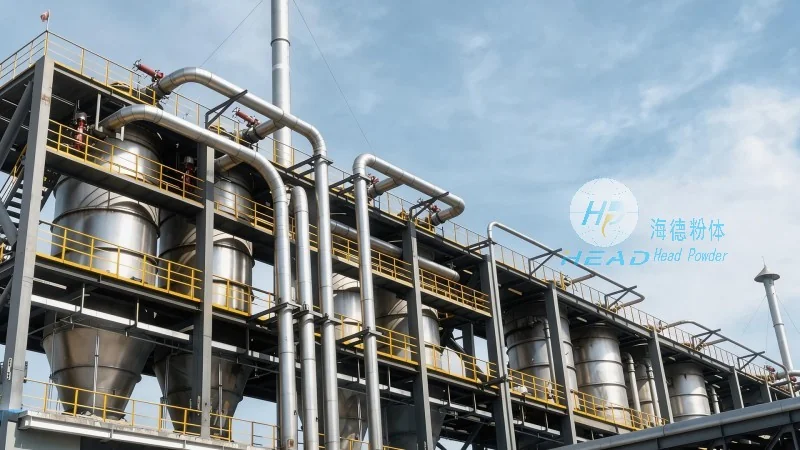
Hybrid systems combine elements of pneumatic and mechanical conveying to leverage the benefits of both approaches. For instance, a system might use a pneumatic transport for the initial stage to move material from a collection point to a central location, followed by a mechanical conveyor for the final delivery to a storage or processing facility. This approach allows for flexibility in handling varying material characteristics and distances. Hybrid systems are particularly useful in complex industrial setups where different conveying requirements exist at different stages of the process. They can optimize energy use and reduce operational costs by matching the most appropriate technology to each segment of the conveying process.
Factors Influencing Conveying Method Selection
The selection of the most appropriate dust and ash conveying method involves careful consideration of several key factors. Material properties, including particle size, density, moisture content, and abrasiveness, play a significant role in determining the suitability of a system. For example, fine powders may require pneumatic conveying to prevent blockages, while larger, bulkier materials might be better suited for mechanical systems. The distance between the source and destination is another critical factor. Short distances may allow for the use of simple mechanical conveyors, whereas long distances or complex layouts may necessitate pneumatic or hybrid systems. Environmental regulations and safety considerations also influence the choice, as some systems may require additional filtration or containment measures to meet air quality standards. Additionally, the cost of installation, operation, and maintenance must be evaluated to ensure the selected method is economically viable for the long term.
Applications and Case Studies
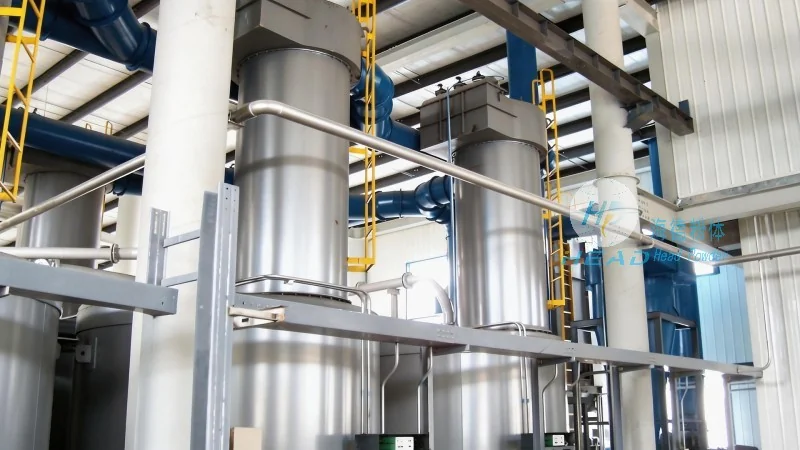
Dust and ash conveying methods are applied across various industries. In power plants, for instance, ash from coal combustion is often transported using pneumatic systems to move it from the boiler to storage silos or disposal sites. Cement plants use a combination of screw and belt conveyors to handle raw materials and finished products, ensuring efficient material flow throughout the production process. Mining operations may employ bucket elevators to transport ore and dust from processing facilities to storage areas. Each application requires a tailored approach to maximize efficiency and minimize operational disruptions. Companies like Shandong HeadPowder Engineering Co., Ltd., based in China, specialize in designing and implementing customized dust and ash conveying solutions that meet the specific needs of their clients. With years of experience in the industry, they provide comprehensive services, including system design, installation, and maintenance, to ensure optimal performance and compliance with industry standards.
Conclusion
Choosing the right dust and ash conveying method is essential for maintaining operational efficiency and ensuring environmental compliance in industrial settings. Pneumatic, mechanical, and hybrid systems each offer unique advantages and are suitable for different scenarios. By considering material properties, distance, and other operational factors, industries can select the most effective conveying solution. Companies such as Shandong HeadPowder Engineering Co., Ltd. play a vital role in providing tailored solutions that enhance the performance and sustainability of dust and ash management processes. As technology advances, the development of more efficient and environmentally friendly conveying systems continues to improve industrial operations worldwide.

 Công ty TNHH Kỹ thuật Công trình Bột Hải Đức Sơn Đông
 156-6277-7102(Quản lý Trương)
  0531-83386006
  Quận Chương Khâu, Thành phố Tế Nam, Tỉnh Sơn Đông, Trung Quốc
Điện thoại
WeChatTư vấn
Lên đầu