Công ty Hải Đức Bột với hơn 10 năm kinh nghiệm vận chuyển khí, cung cấp hệ thống‑thiết bị‑quạt gió và nhận dự án tổng thầu bột cả nước
Calcite, a common calcium carbonate mineral, is widely used in various industries such as construction, pharmaceuticals, and chemical manufacturing. Efficient and reliable transport of calcite is crucial for maintaining production efficiency and ensuring product quality. This article will explore the primary methods used for calcite transportation, focusing on the technical aspects and practical applications in industrial settings.
Key Factors Influencing Calcite Transport
Before discussing specific transport methods, it's essential to consider the key factors that influence the choice of transportation approach. These factors include the physical properties of calcite, such as particle size, moisture content, and bulk density, as well as the distance and destination of the material. Additionally, the scale of operation, whether it's a small-scale laboratory application or a large-scale industrial production, plays a significant role in determining the most suitable transport method. The environmental regulations and safety considerations in the region of operation are also critical factors that must be addressed when selecting a transport system.
Common Calcite Transport Methods
Several methods are commonly employed for calcite transportation, each with its own advantages and limitations. The selection of a method depends on the specific requirements of the application. The primary methods include bulk handling systems, pneumatic conveying, and mechanical handling equipment.
Bulk Handling Systems
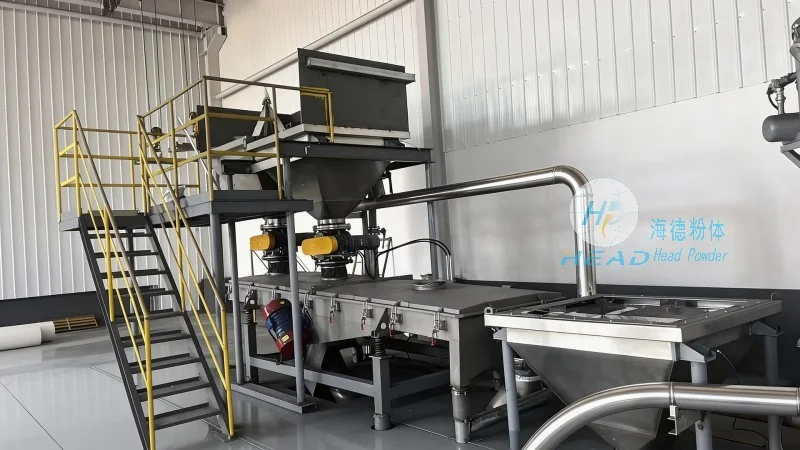
Bulk handling systems are widely used for the transport of calcite in large quantities. These systems typically involve the use of conveyors, such as belt conveyors or screw conveyors, to move calcite from one location to another. Belt conveyors are particularly effective for horizontal or slightly inclined transport over long distances, while screw conveyors are suitable for vertical or inclined transport in confined spaces. The choice between these systems often depends on the particle size and the need for gentle handling to prevent material degradation. For example, in the construction industry, belt conveyors are commonly used to transport calcite from storage silos to processing plants, ensuring a continuous and efficient supply of raw material.
Pneumatic Conveying
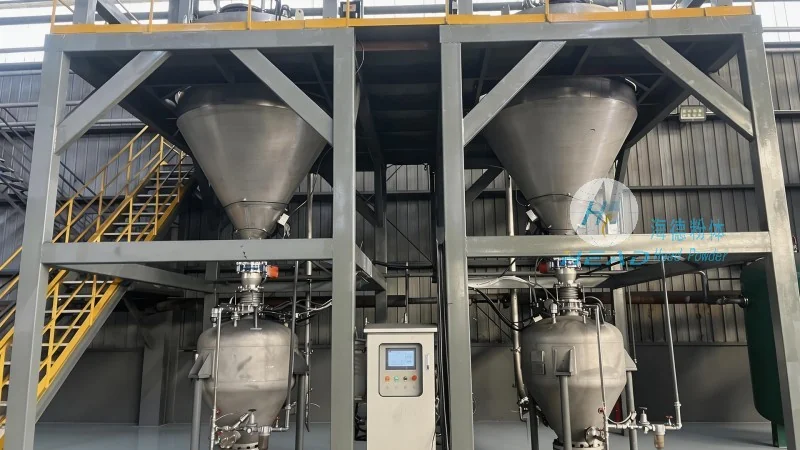
Pneumatic conveying is another popular method for calcite transport, especially when the material needs to be moved over relatively short distances or when the system requires a closed, dust-free environment. This method involves the use of air pressure to transport calcite particles through a pipeline. There are two main types of pneumatic conveying systems: pressure and vacuum. Pressure systems use compressed air to push the material through the pipeline, while vacuum systems use a vacuum to draw the material into the pipeline. The selection of a pneumatic conveying system depends on factors such as the distance to be covered, the required flow rate, and the need to handle fine or abrasive particles. Pneumatic conveying is particularly advantageous for calcite because it can handle a wide range of particle sizes and can be integrated with other processing equipment, such as grinding mills or classifiers, to form a continuous production line.
Mechanical Handling Equipment
Mechanical handling equipment, including forklifts, loaders, and hoists, is often used for the transport of calcite in smaller quantities or for short distances within a facility. These equipment types are particularly useful for loading and unloading calcite from storage containers or for moving the material between different processing stages. For example, a forklift may be used to lift a bulk bag of calcite from a storage area and transport it to a processing plant. The choice of mechanical handling equipment depends on the weight and size of the calcite material, as well as the layout of the facility. Proper maintenance and operation of these equipment are essential to ensure safety and efficiency in calcite transport operations.
Integration with Processing Systems
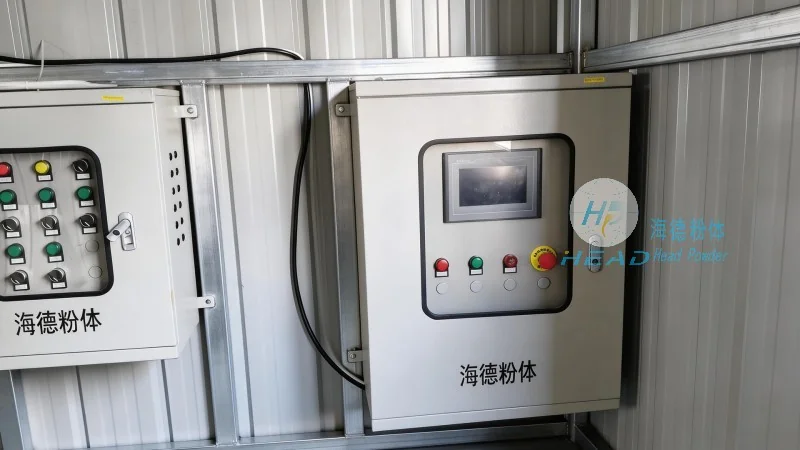
In many industrial applications, calcite transport is integrated with other processing systems to form a continuous production line. For instance, in the production of calcium carbonate products, calcite is first crushed and ground into a fine powder, then transported via a pneumatic conveying system to a classification unit. The classified powder is then further processed into various products, such as fillers or coatings. The integration of transport systems with processing equipment is crucial for maintaining the quality and consistency of the final product. It ensures that the calcite material is handled gently and efficiently, minimizing the risk of contamination or degradation.
Case Study: Application in the Construction Industry
Shandong HeadPowder Engineering Co., Ltd., a leading provider of calcite processing and transport solutions, has successfully implemented various transport methods in the construction industry. The company specializes in designing and manufacturing bulk handling systems tailored to the specific needs of construction projects. For example, a recent project involved the transport of calcite from a quarry to a cement plant. The solution included a combination of belt conveyors and pneumatic conveying systems to ensure efficient and reliable transport over a distance of 5 kilometers. The system was designed to handle large volumes of calcite while maintaining a high level of safety and environmental compliance. The successful implementation of this project demonstrates the effectiveness of integrated transport solutions in meeting the demands of the construction industry.
Conclusion
Efficient calcite transport is a critical component of industrial operations, and the choice of transport method depends on various factors including the material properties, operational scale, and environmental considerations. Bulk handling systems, pneumatic conveying, and mechanical handling equipment are the primary methods used for calcite transport, each with its own advantages and limitations. By carefully evaluating these factors and selecting the appropriate transport method, industries can ensure the smooth and efficient operation of their calcite processing systems. Shandong HeadPowder Engineering Co., Ltd. continues to provide innovative and reliable transport solutions to meet the evolving needs of the calcite industry.

 Công ty TNHH Kỹ thuật Công trình Bột Hải Đức Sơn Đông
 156-6277-7102(Quản lý Trương)
  0531-83386006
  Quận Chương Khâu, Thành phố Tế Nam, Tỉnh Sơn Đông, Trung Quốc
Điện thoại
WeChatTư vấn
Lên đầu