Công ty Hải Đức Bột với hơn 10 năm kinh nghiệm vận chuyển khí, cung cấp hệ thống‑thiết bị‑quạt gió và nhận dự án tổng thầu bột cả nước
Diatomite, a natural sedimentary rock composed primarily of fossilized diatoms, is widely used in various industries due to its unique properties such as high porosity, low density, and excellent filtering capabilities. Efficient and reliable transport of diatomite is crucial for industrial applications, as it directly impacts production efficiency and product quality. This article explores the common methods used for diatomite transportation, focusing on the equipment and processes that ensure safe and effective handling.
Understanding Diatomite and Its Transport Requirements
Diatomite, also known as kieselguhr, is a soft, white, and porous sedimentary rock formed from the remains of diatoms, a type of single-celled algae. Its primary components are silica (SiO₂) and water, with a typical density ranging from 2.0 to 2.4 g/cm³. The material's fine particle size and high surface area make it susceptible to dust generation and clogging in transport systems. Therefore, selecting the appropriate transport method is essential to minimize operational risks and maintain consistent product quality.
Common Diatomite Transportation Methods
Pneumatic Conveying Systems
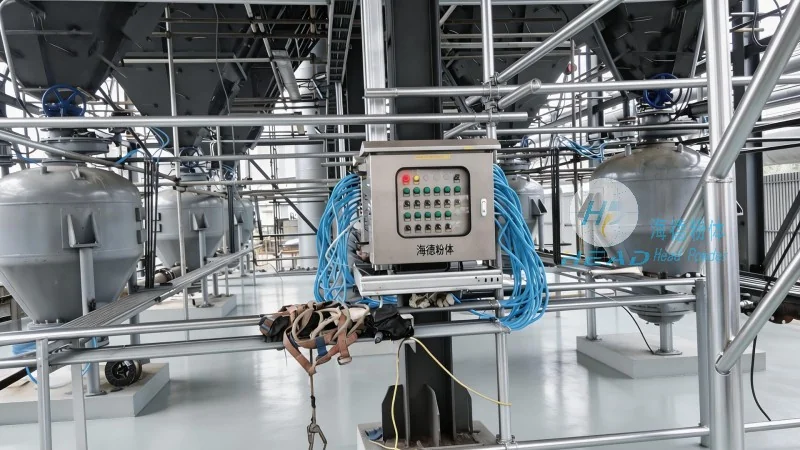
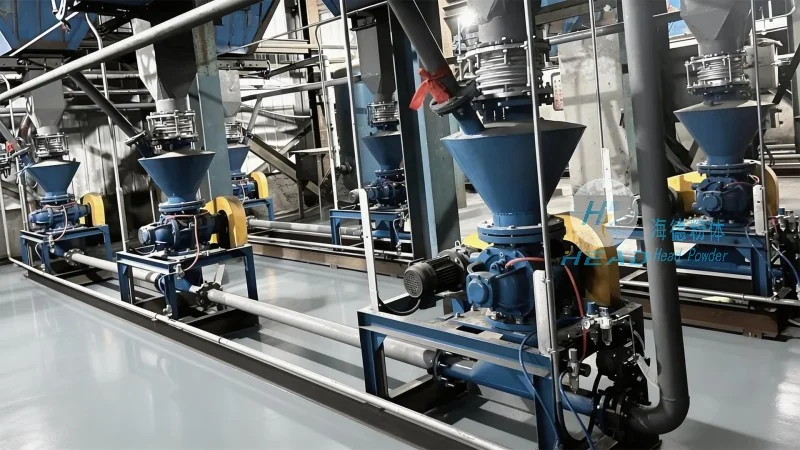
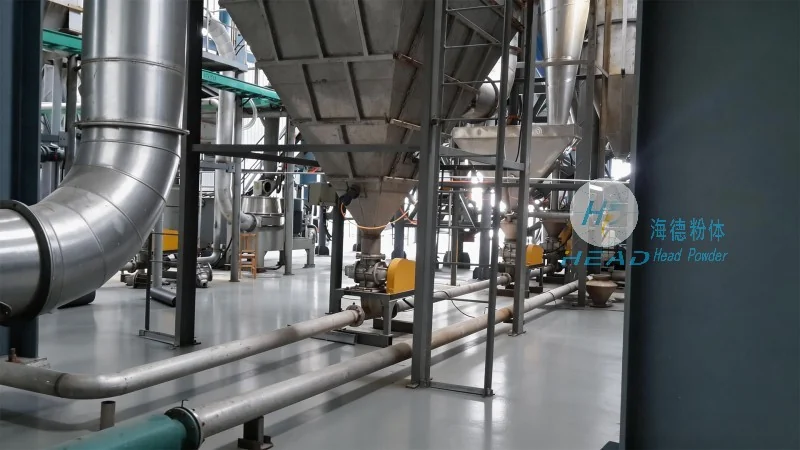
Pneumatic conveying, or air-based transport, is one of the most common methods for diatomite transportation. This technique involves transporting the material through a pipeline using air pressure or vacuum. There are two main types of pneumatic conveying systems: pressure and vacuum. Pressure systems use positive pressure to push the material forward, while vacuum systems use negative pressure to pull it. For diatomite, pressure systems are often preferred due to their ability to handle larger quantities and maintain a consistent flow rate. The system typically consists of a hopper, a rotary valve, a conveyor pipe, and a dust collector. The diatomite is fed into the hopper, then discharged into the pipe through the rotary valve. Compressed air is then introduced to move the material along the pipe. Pneumatic conveying is particularly effective for long-distance transport and can be integrated with other processing equipment, such as filters or reactors, to streamline the production process.
Screw Conveyors
Screw conveyors, also known as auger conveyors, are another widely used method for diatomite transport. These systems consist of a rotating screw (auger) inside a cylindrical tube, which moves the material forward by rotating. Screw conveyors are suitable for transporting diatomite over short to medium distances, typically up to 30 meters. They are particularly effective for handling bulk materials and can be used in both horizontal and inclined configurations. The screw's design, including the pitch and diameter, is critical for optimizing the transport efficiency. For diatomite, a low-pitch screw is often recommended to prevent material clogging and ensure smooth flow. Screw conveyors are also relatively simple to install and maintain, making them a cost-effective solution for many industrial applications.
Pipe Conveyors
Pipe conveyors, also known as tube conveyors, are a type of mechanical conveyor system that uses a flexible tube to transport diatomite. The tube is typically made of high-strength plastic or metal, and it is equipped with a series of rollers or a flexible chain that moves the material along the tube. Pipe conveyors are suitable for both horizontal and vertical transport, making them versatile for various industrial settings. They are particularly effective for transporting diatomite in environments where space is limited or where a flexible path is required. The system can be easily adjusted to change the direction of transport, and it can be integrated with other equipment, such as hoppers or storage silos, to create a seamless material handling system. Pipe conveyors are also relatively low-maintenance and can handle a wide range of particle sizes, including fine diatomite powders.
Bucket Elevators
Bucket elevators are a type of vertical conveyor system that uses a series of buckets attached to a belt or chain to transport diatomite. The buckets are filled with diatomite at the bottom of the elevator and then lifted to the top, where the material is discharged. Bucket elevators are particularly effective for vertical transport, such as moving diatomite from a storage silo to a processing unit. They are capable of handling large quantities of material and can operate at high speeds, making them suitable for high-volume industrial applications. The design of the bucket elevator, including the bucket spacing and belt speed, is critical for ensuring efficient transport and preventing material spillage. Bucket elevators are also relatively durable and can handle abrasive materials like diatomite without significant wear.
Truck and Rail Transport
For bulk diatomite transport over long distances, truck and rail transport are common methods. Trucks are typically used for short to medium-distance transport, while rail is used for longer distances. The material is usually loaded into bulk containers or hopper cars, which are then transported to the destination. Truck and rail transport is particularly effective for transporting large quantities of diatomite, such as for industrial suppliers or large-scale manufacturing plants. The method is also relatively cost-effective compared to other transport options, especially for long-distance transport. However, it is important to ensure proper loading and unloading procedures to prevent material spillage and maintain product quality. The containers used for transport are typically sealed to prevent dust generation and contamination.
Choosing the Right Diatomite Transportation Method
The choice of diatomite transportation method depends on several factors, including the distance of transport, the quantity of material, the required speed, and the specific industrial application. Pneumatic conveying is ideal for long-distance and high-volume transport, while screw conveyors are suitable for short to medium distances and bulk handling. Pipe conveyors and bucket elevators are versatile and can handle both horizontal and vertical transport. Truck and rail transport is best for long-distance bulk transport. It is important to consider the material's properties, such as particle size and moisture content, as well as the operational environment, when selecting the appropriate transport method. Consulting with a professional diatomite handling expert, such as Shandong HeadPowder Engineering Co., Ltd., can help determine the most suitable method for a specific application, ensuring efficient and reliable transport of diatomite.
Shandong HeadPowder Engineering Co., Ltd., a leading provider of diatomite processing and handling solutions, specializes in designing and implementing efficient diatomite transportation systems. With years of experience in the industry, the company offers customized solutions tailored to the specific needs of its clients. Whether it's pneumatic conveying, screw conveyors, or other transport methods, HeadPowder provides high-quality equipment and expert advice to ensure optimal diatomite transport. The company's headquarters is located in Shandong, China, and it serves clients worldwide with its reliable and effective diatomite handling solutions.

 Công ty TNHH Kỹ thuật Công trình Bột Hải Đức Sơn Đông
 156-6277-7102(Quản lý Trương)
  0531-83386006
  Quận Chương Khâu, Thành phố Tế Nam, Tỉnh Sơn Đông, Trung Quốc
Điện thoại
WeChatTư vấn
Lên đầu