Công ty Hải Đức Bột với hơn 10 năm kinh nghiệm vận chuyển khí, cung cấp hệ thống‑thiết bị‑quạt gió và nhận dự án tổng thầu bột cả nước
When it comes to the transportation of aluminum batteries, ensuring safe and efficient delivery is paramount. This process involves a combination of specialized packaging, careful handling procedures, and adherence to industry standards. For businesses dealing with aluminum battery shipments, understanding the various methods and best practices is crucial for maintaining product integrity and compliance with regulations.
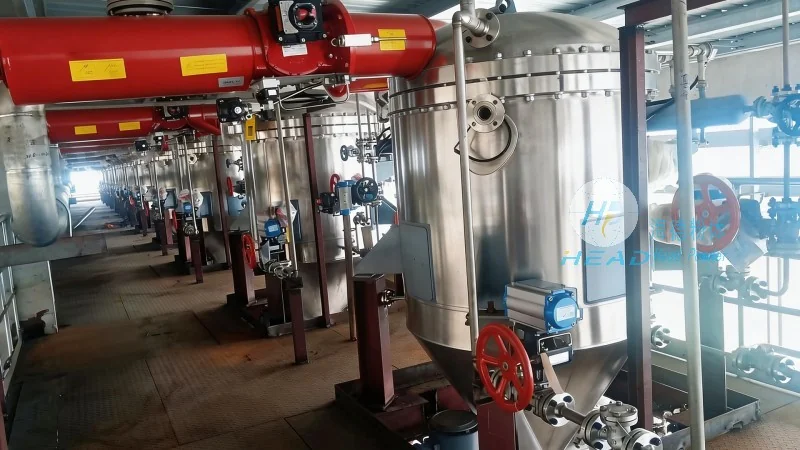
Company Profile: Shandong HeadPowder Engineering Co., Ltd.
HeadPowder, the professional provider of aluminum battery transportation solutions, is headquartered in Shandong, China. With years of experience in the industry, HeadPowder specializes in managing the logistics of aluminum battery shipments, offering comprehensive services tailored to meet the unique needs of clients. The company's commitment to quality and safety has made it a trusted partner for businesses seeking reliable aluminum battery delivery services.
Key Factors in Aluminum Battery Transportation
The transportation of aluminum batteries requires careful consideration of several key factors to ensure the batteries remain functional and safe throughout the shipping process. These factors include proper packaging to protect against physical damage, temperature control to maintain battery performance, and compliance with international shipping regulations. Each of these elements plays a critical role in preventing damage, ensuring product longevity, and avoiding potential hazards.

Common Transportation Methods for Aluminum Batteries
Aluminum battery shipments can be handled through various modes of transport, each with its own advantages and considerations. The choice of transportation method often depends on the destination, quantity of batteries, and specific requirements of the client. The primary methods include road freight, sea freight, and air freight, each requiring tailored handling and packaging protocols.
1. Road Freight Transportation
For local or regional deliveries, road freight is a common and efficient method for aluminum battery shipments. This mode of transport allows for direct delivery to the client's location, minimizing transit time and reducing the risk of handling errors. Road freight typically involves specialized vehicles equipped with secure storage compartments designed to protect the batteries from impact and vibration. The drivers are trained to handle sensitive equipment, ensuring that the batteries are loaded and unloaded carefully to prevent damage. This method is particularly suitable for smaller quantities of aluminum batteries or when the destination is within a reasonable distance from the origin.
2. Sea Freight Transportation
For international shipments of aluminum batteries, sea freight is often the most cost-effective option. This method involves transporting the batteries via container ships, which provide a stable and secure environment for the goods. The batteries are typically packed in sturdy containers that are designed to withstand the rigors of ocean travel, including rough seas and temperature fluctuations. The containers are sealed and labeled according to international shipping standards, ensuring that the batteries are handled with the utmost care. Sea freight is ideal for large volumes of aluminum batteries, as it allows for bulk transportation and reduces the overall cost per unit. However, it is important to note that transit times are longer compared to other methods, and proper documentation is required to comply with customs regulations.
3. Air Freight Transportation
Air freight is the fastest mode of transport for aluminum battery shipments, making it suitable for urgent or time-sensitive deliveries. This method involves transporting the batteries via cargo planes, which offer rapid delivery to destinations worldwide. The batteries are packaged in lightweight and durable containers that are designed to withstand the high G-forces and vibrations experienced during flight. The containers are often equipped with temperature control systems to maintain optimal conditions for the batteries. Air freight is particularly advantageous for high-value or perishable aluminum batteries, as it minimizes the time the batteries spend in transit. However, it is generally more expensive than other methods and may have weight restrictions that need to be considered.
Best Practices for Packaging Aluminum Batteries for Transportation
Proper packaging is a critical component of aluminum battery transportation, as it directly impacts the safety and integrity of the batteries during transit. The packaging must be designed to protect the batteries from physical damage, moisture, and temperature extremes. Each battery is typically placed in individual protective cases, such as foam or plastic inserts, to prevent direct contact with other batteries or the container walls. The cases are then secured in a larger container, such as a wooden crate or a reinforced plastic box, which provides additional cushioning and stability. The container is sealed with tamper-evident seals to ensure that the batteries have not been tampered with during shipping. Additionally, the packaging must be labeled with appropriate handling instructions, such as "This Side Up" and "Keep Dry," to guide handlers and prevent mishandling.
Compliance with International Shipping Regulations

Aluminum battery shipments must comply with various international regulations to ensure safe and legal transport. These regulations include the International Air Transport Association (IATA) Dangerous Goods Regulations for air freight and the International Maritime Organization (IMO) regulations for sea freight. The batteries must be classified as a dangerous good and properly labeled with hazard symbols and handling instructions. The packaging must meet specific requirements for strength, leak-proofing, and ventilation to prevent the release of hazardous materials. Additionally, the batteries must be accompanied by a shipping document that provides detailed information about the contents, including the quantity, weight, and hazard classification. Compliance with these regulations is essential to avoid delays, fines, or even the rejection of the shipment.
Role of HeadPowder in Aluminum Battery Transportation
As a leading provider of aluminum battery transportation services, HeadPowder plays a vital role in ensuring the safe and efficient delivery of aluminum batteries to clients worldwide. The company offers comprehensive logistics solutions, including packaging, transportation, and customs clearance, tailored to meet the specific needs of each client. HeadPowder's team of experts is well-versed in the industry standards and regulations, ensuring that all shipments are handled with the highest level of care and professionalism. The company's commitment to quality and customer satisfaction has earned it a reputation as a trusted partner in the aluminum battery industry. By leveraging its expertise and resources, HeadPowder helps businesses streamline their aluminum battery transportation processes, reduce costs, and improve overall efficiency.

 Công ty TNHH Kỹ thuật Công trình Bột Hải Đức Sơn Đông
 156-6277-7102(Quản lý Trương)
  0531-83386006
  Quận Chương Khâu, Thành phố Tế Nam, Tỉnh Sơn Đông, Trung Quốc
Điện thoại
WeChatTư vấn
Lên đầu