Công ty Hải Đức Bột với hơn 10 năm kinh nghiệm vận chuyển khí, cung cấp hệ thống‑thiết bị‑quạt gió và nhận dự án tổng thầu bột cả nước
When it comes to the transportation of lithium cobalt oxide, several common methods are employed to ensure safe and efficient handling. These methods are crucial for maintaining the integrity of the material and adhering to industry standards. Understanding these approaches helps in selecting the most appropriate method for specific operational needs.
1. Packaging and Containerization


The first step in transporting lithium cobalt oxide involves proper packaging and containerization. This process is designed to protect the material from physical damage, moisture, and contamination. Common containers include sealed plastic or metal drums, which are often lined with protective materials to prevent any interaction with the environment. The packaging must meet specific regulations to ensure compliance with safety and transport standards. For instance, the use of non-conductive containers is recommended to avoid any accidental short circuits or fires, which could be hazardous when handling lithium cobalt oxide. Additionally, the containers are typically labeled with appropriate hazard symbols and information to alert handlers and transport personnel about the material's properties.
2. Handling and Loading Procedures
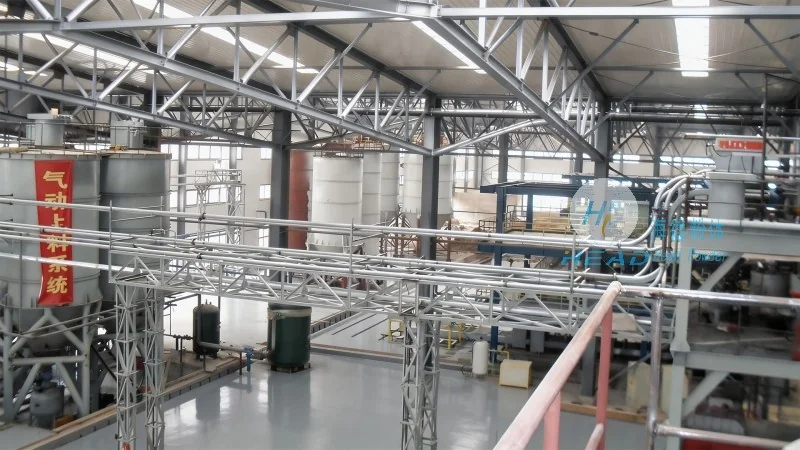
Proper handling and loading procedures are essential for the safe transport of lithium cobalt oxide. These procedures ensure that the material is moved without causing spills or exposure. Workers involved in the loading process must be trained on the correct techniques to minimize risks. For example, using mechanical handling equipment like forklifts or conveyor systems can reduce the risk of manual handling errors. The loading process should be conducted in a controlled environment, such as a warehouse or loading dock, where the material can be handled efficiently and safely. It is also important to ensure that the containers are securely fastened during transport to prevent any movement that could lead to spills or leaks. Regular checks during loading can help identify any potential issues before the shipment is dispatched.
3. Transportation Modes
The choice of transportation mode depends on the distance, volume, and urgency of the shipment. Common modes include road transport via trucks, rail transport via freight trains, and sometimes sea transport for long-distance international shipments. Each mode has its own advantages and considerations. Road transport offers flexibility and can reach destinations quickly, making it suitable for shorter distances. Rail transport is often used for bulk shipments due to its capacity and cost-effectiveness. Sea transport is ideal for large volumes over long distances but requires additional time for loading and unloading. The selection of the transportation mode also depends on the destination's infrastructure and the availability of suitable facilities. For instance, if the destination is in a remote area with limited road access, rail or sea transport might be more practical. In all cases, the mode of transport must comply with relevant regulations to ensure the safety of the material and the environment.
4. Documentation and Compliance

Comprehensive documentation and compliance measures are critical for the transportation of lithium cobalt oxide. This includes preparing shipping documents such as the Dangerous Goods Declaration and the Safety Data Sheet (SDS). The SDS provides detailed information about the material's hazards, handling instructions, and emergency procedures. These documents are essential for all parties involved in the transport process, including carriers, handlers, and regulatory authorities. Compliance with international and national regulations, such as those set by the International Maritime Organization (IMO) or the United Nations (UN), is mandatory. Regular audits and inspections may be conducted to verify compliance with these regulations. Additionally, tracking and monitoring the shipment throughout its journey help ensure that it reaches its destination safely and on time. This documentation process helps in managing risks and providing clear guidance for all stakeholders involved in the transportation.
5. Storage and Handling at Destination
Upon arrival at the destination, proper storage and handling of lithium cobalt oxide are crucial to maintain its quality and safety. The material should be stored in a cool, dry, and well-ventilated area, away from sources of heat or ignition. The storage containers should be kept upright and secured to prevent any leaks or spills. Regular inspections of the storage area can help identify any issues early on. Workers handling the material at the destination must be trained on the correct procedures to minimize risks. This includes wearing appropriate personal protective equipment (PPE) such as gloves, goggles, and respirators when necessary. The storage area should also be clearly marked with hazard signs to alert others about the presence of lithium cobalt oxide. Proper documentation of the storage conditions and any handling activities helps in maintaining a safe and controlled environment. By following these guidelines, the material can be stored safely until it is ready for use or further processing.

 Công ty TNHH Kỹ thuật Công trình Bột Hải Đức Sơn Đông
 156-6277-7102(Quản lý Trương)
  0531-83386006
  Quận Chương Khâu, Thành phố Tế Nam, Tỉnh Sơn Đông, Trung Quốc
Điện thoại
WeChatTư vấn
Lên đầu