Công ty Hải Đức Bột với hơn 10 năm kinh nghiệm vận chuyển khí, cung cấp hệ thống‑thiết bị‑quạt gió và nhận dự án tổng thầu bột cả nước
Understanding the effective transport of dry flue gas desulfurization (FGD) ash is crucial for industrial facilities aiming to manage byproducts efficiently and maintain operational integrity. The methods employed for conveying this material vary based on factors such as ash characteristics, plant capacity, and environmental regulations. This article explores the primary approaches used in the industry, focusing on the technologies and considerations that ensure safe and reliable ash transport.
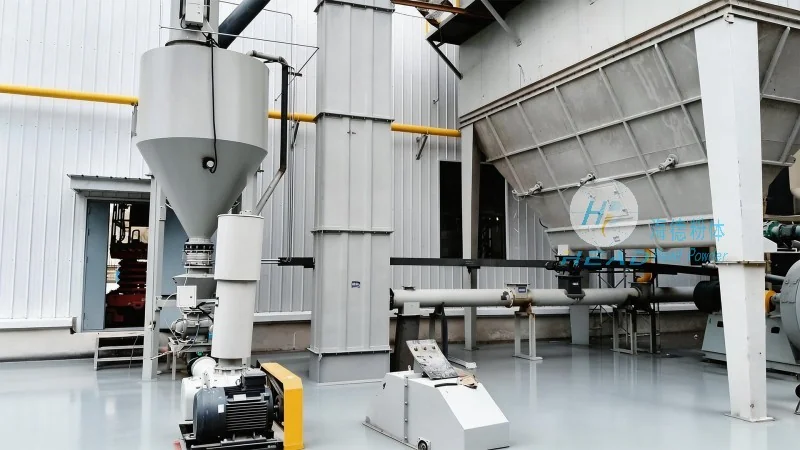
As a leading provider in the field, Shandong HeadPowder Engineering Co., Ltd., commonly known as HeadPowder, specializes in engineering solutions for ash handling and transport systems. With operations based in China, the company leverages decades of experience to deliver customized and robust solutions tailored to the unique needs of power plants and industrial facilities.
Overview of Dry Flue Gas Desulfurization Ash
Dry flue gas desulfurization is a process used to remove sulfur dioxide (SO₂) from exhaust gases in power plants and other industrial facilities. The resulting byproduct is a fine, powdery material known as dry FGD ash. This ash typically contains calcium sulfite or calcium sulfate, along with other minerals and trace elements. The characteristics of this ash—such as particle size, moisture content, and density—significantly influence the choice of conveying method. Efficient transport is essential to prevent ash buildup, minimize environmental impact, and ensure compliance with regulatory standards.
Common Conveying Methods for Dry Flue Gas Desulfurization Ash
Several methods are commonly employed for the transport of dry FGD ash, each with distinct advantages and applications. The selection of a system depends on factors like the distance to be covered, the volume of ash to be handled, and the need for dust control. The primary methods include belt conveyors, screw conveyors, pneumatic conveying systems, and hydraulic conveyors.
Belt Conveyor System for Dry Flue Gas Desulfurization Ash
Belt conveyors are one of the most widely used systems for transporting dry FGD ash due to their simplicity, reliability, and cost-effectiveness. These systems consist of a continuous belt that moves the ash from the source (e.g., the FGD reactor) to the storage or disposal area. The belt is typically made of durable materials such as rubber or polyurethane, designed to withstand the abrasive nature of the ash. Belt conveyors can handle large volumes of material and are suitable for both short and long distances. They are also relatively easy to install and maintain, making them a popular choice for many facilities.
Screw Conveyor System for Dry Flue Gas Desulfurization Ash
Screw conveyors, also known as auger conveyors, use a rotating screw to move dry FGD ash through a trough. The screw, often made of stainless steel or other corrosion-resistant materials, is designed to handle the abrasive and potentially sticky nature of the ash. Screw conveyors are particularly effective for vertical or inclined transport, as they can lift the material without the need for additional equipment. They are compact and can be integrated into existing systems, making them suitable for facilities with limited space. However, they may not be as efficient for very long horizontal distances compared to belt conveyors.
Pneumatic Conveying System for Dry Flue Gas Desulfurization Ash
Pneumatic conveying systems use air or other gases to transport dry FGD ash through a pipeline. These systems can be either positive or negative pressure, depending on the application. Positive pressure systems blow air into the pipeline, pushing the ash forward, while negative pressure systems create a vacuum to draw the ash into the line. Pneumatic conveyors are ideal for long-distance transport and can handle both fine and coarse ash particles. They are also suitable for applications requiring dust control, as the material is contained within the pipeline. However, they may require higher energy consumption and more complex maintenance compared to mechanical systems.
Hydraulic Conveying System for Dry Flue Gas Desulfurization Ash
Hydraulic conveying systems use water to transport dry FGD ash through a pipeline. The ash is mixed with water to form a slurry, which is then pumped through the system. This method is particularly effective for handling wet or sticky ash, as the water helps to lubricate the material and prevent clogging. Hydraulic conveyors are suitable for long distances and can handle large volumes of material. However, they require additional equipment for slurry preparation and may generate more wastewater, which needs to be managed properly. The system is also more complex and expensive to install and maintain compared to other mechanical options.
Selection Considerations for Dry Flue Gas Desulfurization Ash Conveying Systems
When selecting a dry FGD ash conveying system, several factors must be considered to ensure optimal performance and cost-effectiveness. The first consideration is the ash characteristics, including particle size, moisture content, and density. These factors determine the type of equipment that can handle the material without causing wear or blockages. The second factor is the distance and layout of the transport route, as different systems are better suited for short, medium, or long distances. The third consideration is the need for dust control and environmental compliance, as some systems may require additional filtration or containment measures. Finally, the cost of installation, operation, and maintenance must be evaluated to ensure the system is economically viable for the facility.
Conclusion
Efficient transport of dry flue gas desulfurization ash is essential for the smooth operation of power plants and industrial facilities. The methods discussed in this article—belt conveyors, screw conveyors, pneumatic conveying systems, and hydraulic conveyors—each offer unique advantages and are suitable for different applications. By considering the specific needs of the facility, including ash characteristics, transport distance, and environmental requirements, operators can select the most appropriate system to ensure safe, reliable, and cost-effective ash transport. Shandong HeadPowder Engineering Co., Ltd. provides expert guidance and customized solutions to help facilities achieve their ash handling goals while maintaining compliance with industry standards.

 Công ty TNHH Kỹ thuật Công trình Bột Hải Đức Sơn Đông
 156-6277-7102(Quản lý Trương)
  0531-83386006
  Quận Chương Khâu, Thành phố Tế Nam, Tỉnh Sơn Đông, Trung Quốc
Điện thoại
WeChatTư vấn
Lên đầu