Công ty Hải Đức Bột với hơn 10 năm kinh nghiệm vận chuyển khí, cung cấp hệ thống‑thiết bị‑quạt gió và nhận dự án tổng thầu bột cả nước
For cement manufacturers, selecting an efficient and reliable clinker conveying method is paramount to ensuring smooth production and operational efficiency. Clinker, a key product of the cement manufacturing process, must be transported from the rotary kiln to storage or further processing stages. Various conveying technologies are available, each with distinct characteristics and benefits. This article explores the different types of clinker conveying methods, with a focus on the advantages and features of pneumatic clinker conveying, presented by Shandong HeadPowder Engineering Co., Ltd., a leading provider of industrial conveying solutions based in China, Shandong.
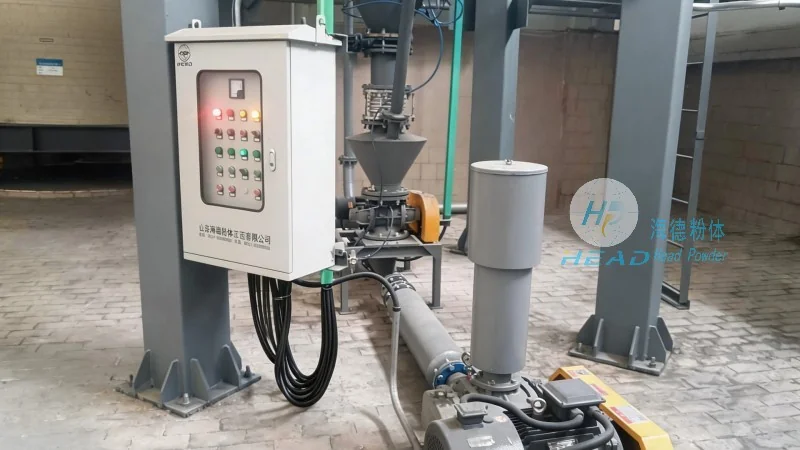
Overview of Clinker Conveying Methods
Traditional clinker conveying methods primarily include mechanical systems such as belt conveyors, bucket elevators, and screw conveyors. These systems have been widely used due to their simplicity and reliability. However, they often suffer from high energy consumption, significant maintenance requirements, and limitations in conveying distance or material handling capabilities. In contrast, pneumatic clinker conveying offers a more advanced and flexible approach to material transport.
Pneumatic Clinker Conveying: Advantages and Features
Pneumatic clinker conveying utilizes compressed air to transport clinker particles through a pipeline network. This method provides several key advantages over conventional mechanical conveyors. Firstly, it creates a dust-free environment, which is crucial for maintaining air quality and reducing occupational health risks in industrial settings. Secondly, the system is highly space-efficient, as it requires minimal floor space compared to large mechanical structures. Thirdly, the flexibility of the pipeline allows for easy reconfiguration or expansion of the conveying network, adapting to changes in production needs without major infrastructure changes.
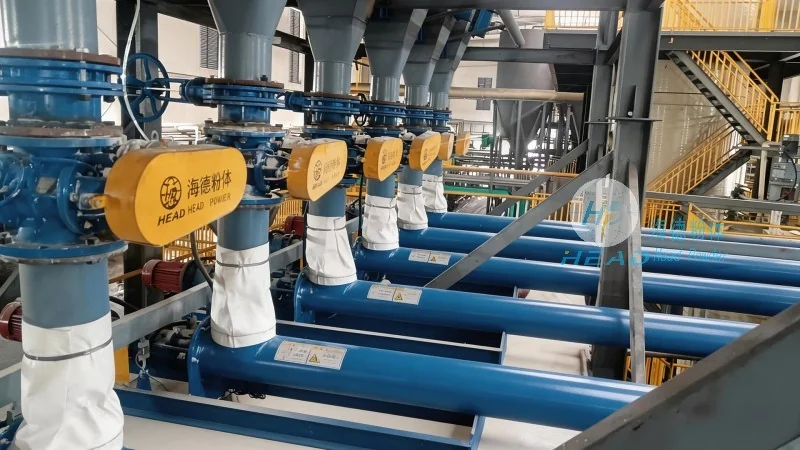
Key Benefits of Pneumatic Clinker Conveying
One of the most significant benefits of pneumatic clinker conveying is its cost-effectiveness. By eliminating the need for heavy machinery and reducing maintenance costs, companies can achieve substantial long-term savings. Additionally, the self-cleaning nature of pneumatic systems prevents material buildup and blockages, which are common issues in mechanical conveyors. This results in higher system uptime and lower downtime for maintenance, enhancing overall operational efficiency.
Technical Specifications and Performance
The performance of a pneumatic clinker conveying system is determined by several technical parameters. The system typically includes a blower unit, a material hopper, and a network of pipelines equipped with valves and filters. The selection of air pressure and flow rate is critical to ensure efficient material transport while minimizing energy consumption. Modern pneumatic systems often incorporate advanced control technologies, such as variable frequency drives, to optimize air usage and maintain consistent material flow rates, further enhancing system performance.
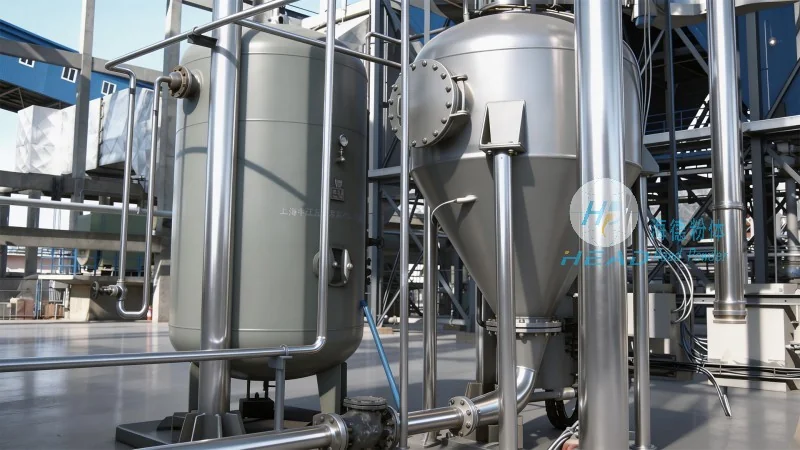
Integration with Cement Production Processes
Pneumatic clinker conveying is widely integrated into cement production facilities, connecting the kiln discharge to storage silos or feeding other processing units like cement grinding plants. The flexibility of the system allows for seamless integration with existing infrastructure, minimizing the need for new construction or major modifications. This integration ensures a continuous and reliable supply of clinker, supporting the overall efficiency of the cement manufacturing process.
Conclusion
In conclusion, the choice of clinker conveying method significantly impacts the operational performance and sustainability of cement plants. While traditional mechanical conveyors have been used for decades, pneumatic clinker conveying offers a modern, efficient, and cost-effective solution. By leveraging the advantages of pneumatic systems, such as dust-free operation, space efficiency, and reduced maintenance, cement manufacturers can enhance productivity and environmental compliance. As the industry continues to advance, the adoption of advanced conveying technologies like pneumatic clinker transport will remain a key factor in achieving operational excellence. Shandong HeadPowder Engineering Co., Ltd. specializes in providing customized pneumatic conveying solutions tailored to the specific needs of cement production facilities, ensuring optimal performance and long-term reliability.

 Công ty TNHH Kỹ thuật Công trình Bột Hải Đức Sơn Đông
 156-6277-7102(Quản lý Trương)
  0531-83386006
  Quận Chương Khâu, Thành phố Tế Nam, Tỉnh Sơn Đông, Trung Quốc
Điện thoại
WeChatTư vấn
Lên đầu