Công ty Hải Đức Bột với hơn 10 năm kinh nghiệm vận chuyển khí, cung cấp hệ thống‑thiết bị‑quạt gió và nhận dự án tổng thầu bột cả nước
Wood fibers are widely used in various industrial applications, including paper manufacturing, composite materials, and insulation products. The efficient and reliable transport of these fibers is crucial for maintaining production efficiency and product quality. Traditional conveying methods, such as belt conveyors or screw conveyors, may face challenges when handling wood fibers, especially in terms of material handling, dust control, and system maintenance. This article explores the different methods of wood fiber conveying and highlights the advantages of pneumatic conveying, a technology that has become increasingly popular in the industry.
Common Conveying Methods for Wood Fibers
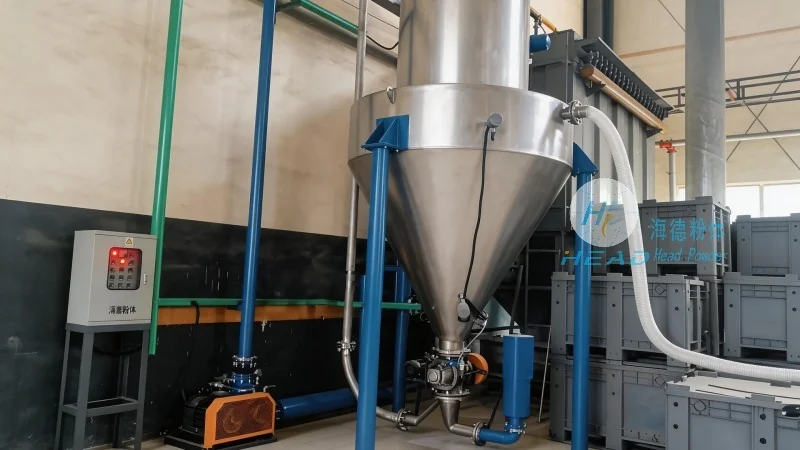
There are several conventional methods used for transporting wood fibers. One of the most common is mechanical conveying, which includes belt conveyors, screw conveyors, and bucket elevators. These systems are generally cost-effective and straightforward to install. However, they have limitations when dealing with fine or lightweight wood fibers, as they can cause material degradation, increased friction, and higher energy consumption. Another method is hydraulic conveying, which uses water to transport fibers, but this approach is less common due to issues with water management and potential environmental concerns.
Pneumatic Conveying: A Superior Solution for Wood Fiber Transport
Pneumatic conveying, also known as air conveying, is a technology that uses compressed air to move wood fibers through a pipeline. This method offers several advantages over traditional mechanical systems. First, it provides a dust-free environment, which is essential for maintaining product quality and ensuring workplace safety. Second, pneumatic systems can handle a wide range of fiber sizes and densities, making them versatile for different applications. Third, these systems are highly efficient in terms of energy consumption and can be designed to operate with minimal maintenance. The core of a pneumatic conveying system includes a blower, a hopper for material storage, and a pipeline network that directs the fibers to the processing unit. The compressed air creates a flow that propels the fibers through the system, ensuring smooth and continuous transport.
Key Advantages of Pneumatic Conveying for Wood Fibers
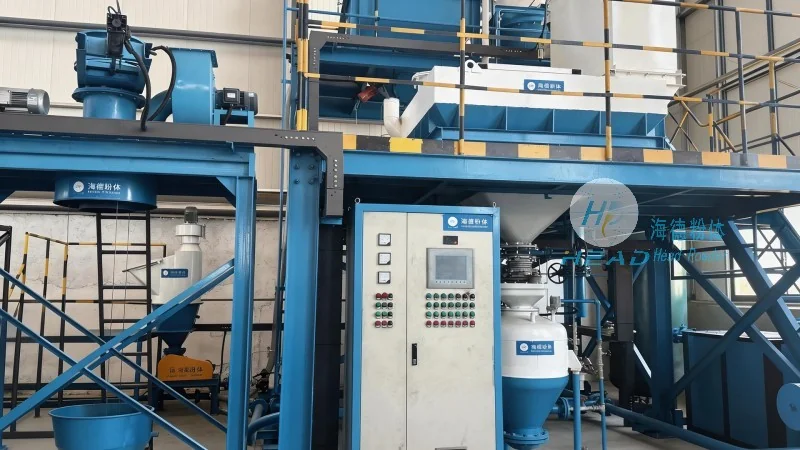
When compared to other conveying methods, pneumatic conveying for wood fibers offers distinct benefits. One of the most significant advantages is its ability to handle fine or lightweight fibers without causing degradation. The air flow in the system minimizes friction and impact, preserving the integrity of the fibers. Additionally, pneumatic systems are highly flexible, allowing for easy integration into existing production lines or expansion of the conveying network. They also provide better control over the material flow, enabling precise dosing and feeding to downstream processes. Another advantage is the reduced risk of cross-contamination, as the enclosed pipeline system prevents exposure to external elements. This is particularly important in industries where product purity is critical, such as in the production of high-quality paper or specialty composites.
Applications of Pneumatic Conveying in Wood Fiber Processing
Pneumatic conveying is widely used in various stages of wood fiber processing. In the initial stages, it can transport raw wood chips or sawdust from storage areas to the grinding or pulping units. During the processing phase, it is used to move refined fibers from the pulping or refining equipment to the drying or blending sections. In the final stages, pneumatic systems can transport finished products, such as paper or composite panels, from the production line to storage or packaging areas. The versatility of pneumatic conveying makes it suitable for both batch and continuous production processes, ensuring consistent performance and reliability.
System Components and Design Considerations
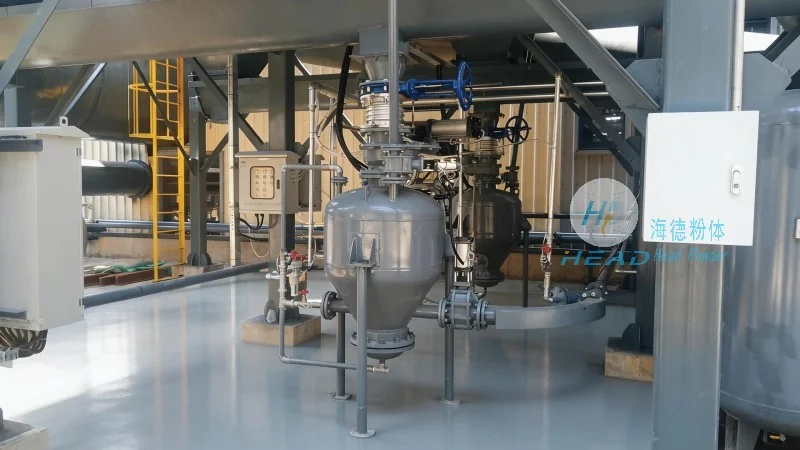
The effectiveness of a pneumatic conveying system for wood fibers depends on several key components and design choices. The blower is the primary source of compressed air, and its capacity must be matched to the material flow rate and pipeline length. The hopper or feeder is responsible for feeding the wood fibers into the system, and it should be designed to prevent material bridging or blockages. The pipeline network should be carefully designed to minimize pressure losses and ensure smooth flow. Additionally, the system may include components such as filters, cyclones, or separators to remove dust or moisture from the air, maintaining system efficiency and product quality. The choice of materials for the pipeline and components is also critical, as wood fibers can be abrasive and may cause wear over time. High-quality materials, such as stainless steel or specialized coatings, are often used to extend the system's lifespan and reduce maintenance costs.
Case Study: Implementation of Pneumatic Conveying by Shandong HeadPowder Engineering Co., Ltd.
Shandong HeadPowder Engineering Co., Ltd., a leading provider of industrial conveying solutions, has successfully implemented pneumatic conveying systems for wood fiber processing in various clients. One notable project involved a paper mill that was experiencing issues with dust and material degradation during the fiber transport process. By installing a custom-designed pneumatic conveying system, the company was able to achieve significant improvements. The new system reduced dust emissions by over 90%, improved fiber quality by minimizing degradation, and increased overall production efficiency by optimizing material flow. The project demonstrated the effectiveness of pneumatic conveying in addressing common challenges in wood fiber processing and highlighted the expertise of Shandong HeadPowder in providing tailored solutions for industrial clients.

 Công ty TNHH Kỹ thuật Công trình Bột Hải Đức Sơn Đông
 156-6277-7102(Quản lý Trương)
  0531-83386006
  Quận Chương Khâu, Thành phố Tế Nam, Tỉnh Sơn Đông, Trung Quốc
Điện thoại
WeChatTư vấn
Lên đầu