Công ty Hải Đức Bột với hơn 10 năm kinh nghiệm vận chuyển khí, cung cấp hệ thống‑thiết bị‑quạt gió và nhận dự án tổng thầu bột cả nước
Efficient and reliable material handling is a cornerstone of lithium-ion battery production, as the quality and consistency of the materials used directly impact the performance and longevity of the final battery cells. Among the various conveying methods employed in the industry, pneumatic conveying has emerged as a preferred solution for transporting powders and granules, such as active materials and precursors, used in battery manufacturing. This article explores the different lithium-ion battery material conveying methods and delves into the key advantages and characteristics of pneumatic conveying systems, highlighting why they are increasingly adopted by manufacturers.
Types of Lithium-Ion Battery Material Conveying Methods
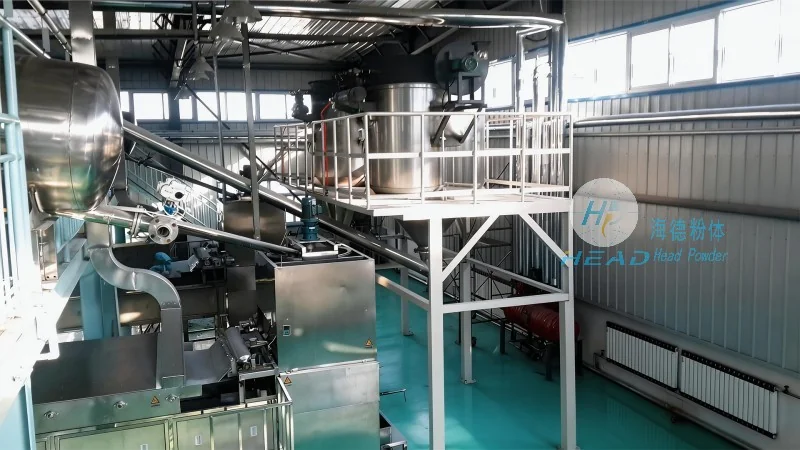
Lithium-ion battery production involves the movement of diverse materials, including lithium cobalt oxide (LCO), lithium iron phosphate (LFP), and other chemical precursors, which are typically in powder or fine granular form. The primary conveying methods used in this sector include mechanical systems like screw conveyors, belt conveyors, and bucket elevators, as well as pneumatic conveying systems. Mechanical systems are often chosen for their simplicity and cost-effectiveness, but they may struggle with handling fine powders, which can lead to material degradation or blockages. In contrast, pneumatic conveying systems are designed specifically to address these challenges, offering a more controlled and efficient approach to material transport.
Pneumatic Conveying: A Comprehensive Solution for Lithium-Ion Battery Materials
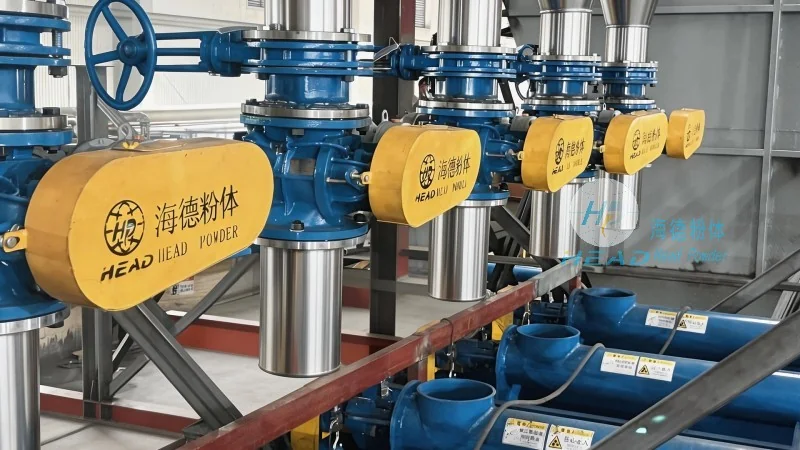
Pneumatic conveying, or air conveying, utilizes pressurized or vacuum air to move materials through a sealed pipeline. This method is particularly advantageous for lithium-ion battery materials due to its ability to handle fine powders without causing agglomeration or particle breakage. Unlike mechanical systems that rely on physical contact to move materials, pneumatic systems use air as the medium, ensuring gentle and consistent transport. This is critical for maintaining the particle size distribution and chemical properties of the active materials, which are essential for the performance of the battery cells. The flexibility of pneumatic systems also allows for the integration of multiple material handling points, enabling a seamless flow from raw material storage to processing units.
Key Advantages of Pneumatic Conveying for Lithium-Ion Battery Materials
One of the most significant advantages of pneumatic conveying is its superior containment capability. Battery manufacturing facilities require strict environmental controls to prevent dust and particles from contaminating the production environment or entering the final product. Pneumatic systems achieve this through sealed pipelines and airlocks, ensuring that materials are contained throughout the transport process. This not only enhances safety but also maintains the purity of the materials, which is vital for battery performance. Additionally, pneumatic conveying systems offer high efficiency in terms of material throughput, with the ability to transport large volumes of material over long distances with minimal energy consumption compared to mechanical alternatives.
Customization and Advanced Features of Pneumatic Conveying Systems
Modern pneumatic conveying systems for lithium-ion battery materials are equipped with advanced features that enhance their performance and adaptability. These systems often include components such as rotary airlocks, filter units, and pressure regulators to ensure smooth and unobstructed material flow. The use of high-quality materials, such as stainless steel or corrosion-resistant alloys, is standard to prevent contamination and ensure durability in environments where battery materials may be corrosive. Furthermore, many systems are integrated with monitoring and control technologies, allowing operators to track material flow rates, pressure levels, and system performance in real-time. This enables proactive maintenance and adjustments to optimize system efficiency and minimize downtime, which is crucial for maintaining production schedules in battery manufacturing.
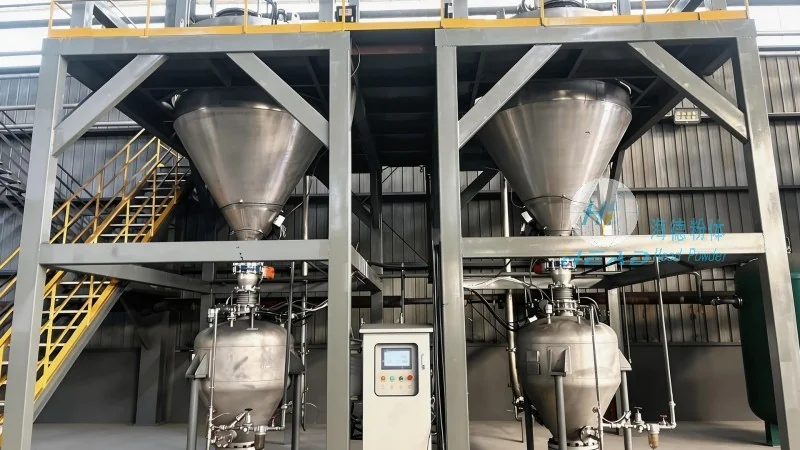
Conclusion: The Importance of Pneumatic Conveying in Lithium-Ion Battery Manufacturing
In summary, pneumatic conveying systems play a critical role in the efficient and reliable handling of lithium-ion battery materials. Their ability to maintain material integrity, provide flexible routing, and ensure high containment makes them an ideal choice for modern battery manufacturers. As the demand for lithium-ion batteries continues to grow, the need for advanced material handling solutions will only increase, and pneumatic conveying systems will remain a key component in meeting these demands. Companies like Shandong HeadPowder Engineering Co., Ltd., a leading provider of pneumatic conveying solutions, specialize in designing and manufacturing customized systems that cater to the specific requirements of battery manufacturers, ensuring optimal performance and reliability in material transport processes. By leveraging the advantages of pneumatic conveying, battery manufacturers can enhance production efficiency, improve product quality, and maintain a competitive edge in the rapidly evolving battery industry.

 Công ty TNHH Kỹ thuật Công trình Bột Hải Đức Sơn Đông
 156-6277-7102(Quản lý Trương)
  0531-83386006
  Quận Chương Khâu, Thành phố Tế Nam, Tỉnh Sơn Đông, Trung Quốc
Điện thoại
WeChatTư vấn
Lên đầu