Công ty Hải Đức Bột với hơn 10 năm kinh nghiệm vận chuyển khí, cung cấp hệ thống‑thiết bị‑quạt gió và nhận dự án tổng thầu bột cả nước
For industries dealing with polyethylene styrene (PS), selecting the right conveying method is crucial for efficiency, safety, and cost-effectiveness. Among the various options available, pneumatic conveying stands out as a preferred solution due to its unique advantages and operational characteristics. This article explores the different conveying methods for polyethylene styrene and delves into the specific benefits and features of pneumatic conveying systems.
Introduction to Polyethylene Styrene Conveying
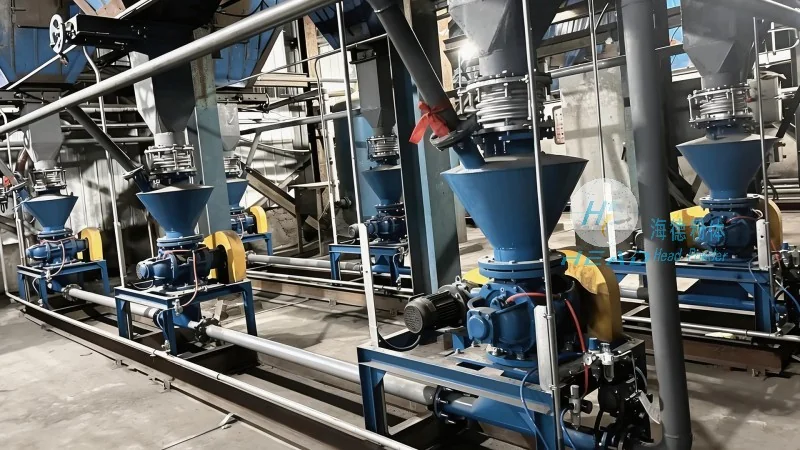
Polyethylene styrene is a versatile plastic widely used in packaging, automotive parts, and construction materials. Its handling and transportation require specialized equipment to ensure minimal degradation and contamination. Traditional methods like belt conveyors or screw conveyors may not be suitable for fine powders or granules, as they can lead to material buildup, clogging, or uneven flow. Pneumatic conveying offers a more controlled and efficient approach to moving PS materials.
Common Conveying Methods for Polyethylene Styrene
Several methods are employed for transporting polyethylene styrene, each with its own set of applications and limitations. The primary options include:
1. Gravity Conveying: This method relies on the natural flow of material from a higher to a lower level. It is suitable for bulk materials that are free-flowing and non-abrasive. However, it is limited by the need for a sufficient vertical drop and may not be effective for fine powders or when space constraints are present.
2. Belt Conveyors: Belt conveyors use a continuous belt to transport materials horizontally or at a slight incline. They are commonly used for bulk materials but may face challenges with polyethylene styrene due to the risk of material sticking to the belt or the conveyor surface, leading to inefficiencies and maintenance issues.
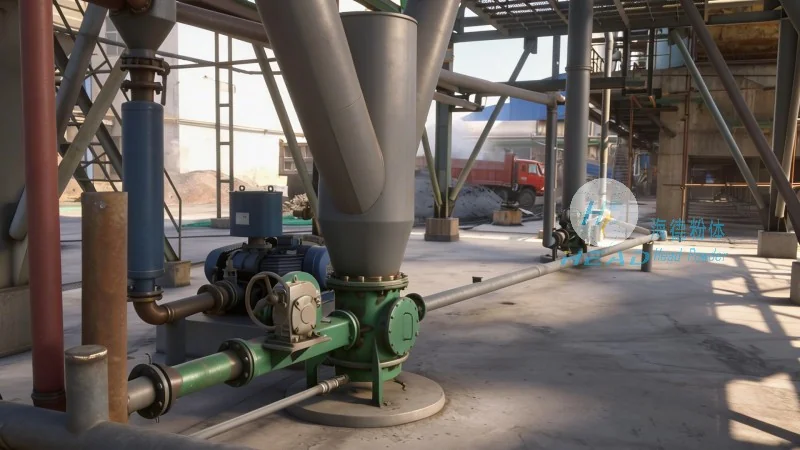
3. Screw Conveyors: Screw conveyors utilize a rotating screw to move materials through a tube. While effective for granular materials, they are prone to clogging, especially with fine powders like polyethylene styrene, which can cause operational downtime and increased maintenance costs.
4. Pneumatic Conveying: As the most advanced and versatile method, pneumatic conveying uses air pressure to transport materials in a closed system. This method is particularly effective for polyethylene styrene due to its ability to handle fine powders, granules, and even bulk materials with minimal degradation.
The Advantages of Pneumatic Conveying for Polyethylene Styrene
Pneumatic conveying systems offer several key advantages that make them ideal for polyethylene styrene applications. These benefits include:
1. Minimal Material Degradation: Pneumatic systems operate at lower temperatures and with less mechanical stress compared to other methods. This reduces the risk of material degradation, ensuring the quality and properties of polyethylene styrene are maintained throughout the conveying process.
2. Efficient and Compact: Pneumatic conveying systems are often more compact and can be installed in confined spaces. They require less floor space compared to traditional bulk handling equipment, making them suitable for facilities with limited room for large machinery.
3. Reduced Downtime and Maintenance: By eliminating moving parts in contact with the material (such as screws or belts), pneumatic systems experience less wear and tear. This leads to lower maintenance costs and reduced downtime, improving overall operational efficiency.
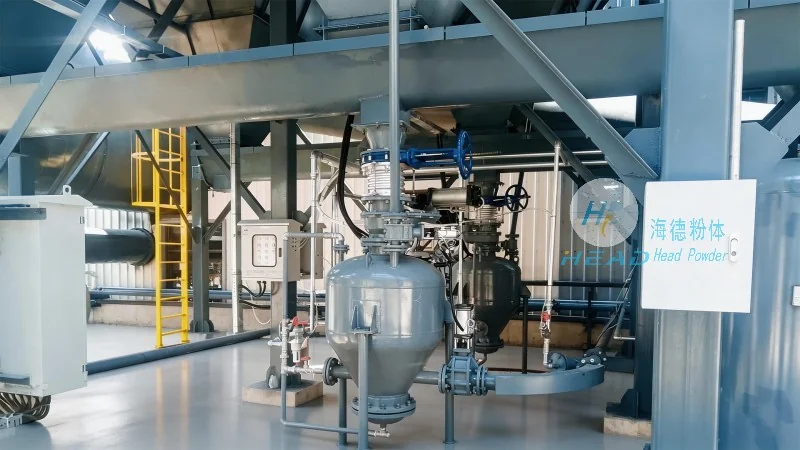
4. Versatility in Material Handling: Pneumatic conveying can handle a wide range of material types, including fine powders, granules, and bulk materials. It is adaptable to various production processes and can be integrated with other equipment for seamless material flow.
5. Improved Safety and Cleanliness: Pneumatic systems operate in a closed environment, preventing dust and particles from escaping into the workplace. This enhances safety for operators and maintains a cleaner working environment, which is crucial for industries dealing with plastic materials.
Key Features of Pneumatic Conveying Systems for Polyethylene Styrene
Modern pneumatic conveying systems for polyethylene styrene are equipped with several features that enhance their performance and reliability. These features include:
1. Positive Displacement Pumps: These pumps provide consistent air flow and pressure, ensuring reliable material transport. They are particularly effective for handling fine powders and granules, as they maintain a steady flow rate.
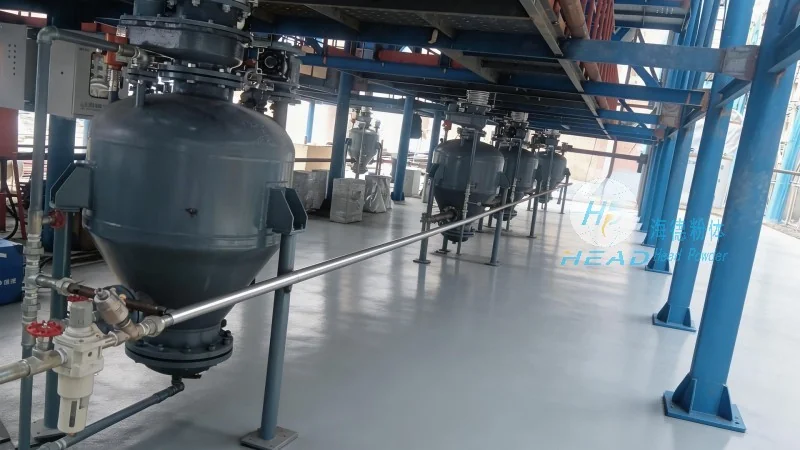
2. Filter and Dust Collection Systems: To maintain a clean and safe environment, pneumatic systems incorporate advanced filtration and dust collection mechanisms. These systems capture and remove fine particles, preventing contamination and ensuring compliance with environmental regulations.
3. Variable Speed Controls: Variable speed drives allow operators to adjust the conveying speed based on the material's characteristics and process requirements. This flexibility ensures optimal performance and prevents material degradation or clogging.
4. Material Separation and Dosing: Advanced pneumatic systems can include features for material separation and precise dosing. This is essential for applications where accurate material measurement and control are critical, such as in manufacturing or packaging processes.
Conclusion
In conclusion, the choice of conveying method for polyethylene styrene significantly impacts operational efficiency and product quality. While traditional methods like gravity, belt, and screw conveyors have their uses, pneumatic conveying emerges as the superior option due to its ability to handle fine powders, maintain material integrity, and offer enhanced safety and efficiency. Companies like Shandong HeadPowder Engineering Co., Ltd., a leading provider of pneumatic conveying solutions, offer tailored systems that address the specific needs of polyethylene styrene applications. By investing in advanced pneumatic conveying technology, industries can improve their production processes, reduce costs, and ensure consistent product quality.

 Công ty TNHH Kỹ thuật Công trình Bột Hải Đức Sơn Đông
 156-6277-7102(Quản lý Trương)
  0531-83386006
  Quận Chương Khâu, Thành phố Tế Nam, Tỉnh Sơn Đông, Trung Quốc
Điện thoại
WeChatTư vấn
Lên đầu