Công ty Hải Đức Bột với hơn 10 năm kinh nghiệm vận chuyển khí, cung cấp hệ thống‑thiết bị‑quạt gió và nhận dự án tổng thầu bột cả nước
HeadPowder Engineering Co., Ltd., a leading manufacturer based in Shandong, China, specializes in providing high-quality Polyvinyl Butyral (PVB) solutions tailored to diverse industrial applications. The company's expertise lies in the efficient conveyance of PVB materials, which are widely used in various sectors such as automotive, construction, and packaging due to their excellent adhesive properties and chemical resistance.
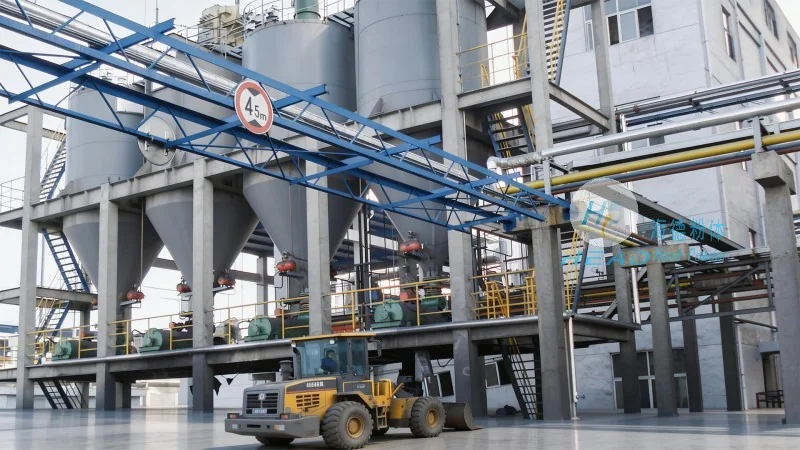
PVB is a critical component in many manufacturing processes, and the choice of conveyance method significantly impacts production efficiency and material integrity. This article aims to provide a detailed comparison of the most common PVB conveyance methods, helping industry professionals select the most suitable approach for their specific needs.
1. Bulk Handling via Conveyor Belts
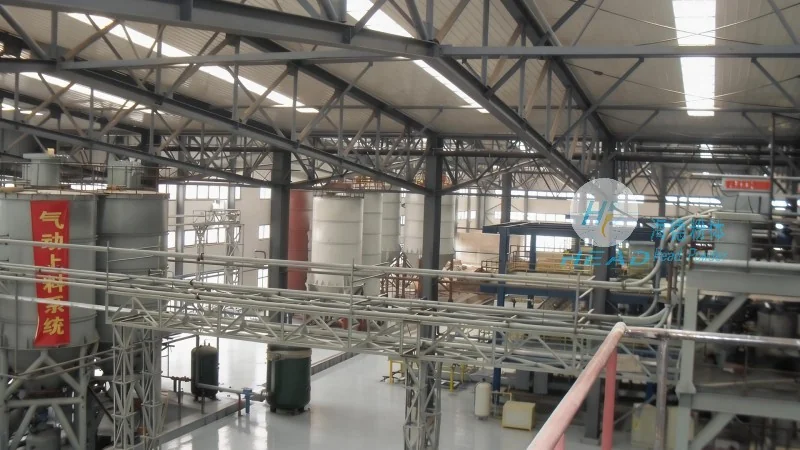
Bulk handling of PVB using conveyor belts is a widely adopted method, particularly in large-scale production facilities. This approach involves transporting PVB pellets or granules from storage silos to processing units. The system typically consists of a hopper, a conveyor belt, and a control mechanism that regulates the flow rate. Conveyor belts are chosen for their ability to handle heavy loads and maintain a consistent material flow, which is essential for maintaining product quality. The design of the conveyor system, including the type of belt (e.g., rubber or plastic) and the speed, can be customized to suit different PVB characteristics, such as moisture content and particle size. This method ensures minimal material degradation and is highly efficient for continuous production lines.
2. Pneumatic Conveying Systems
Pneumatic conveying, also known as air conveying, is another common method for transporting PVB. This technique uses compressed air to move PVB particles through a pipeline system. Pneumatic systems are particularly advantageous for handling fine PVB powders or granules, as they can transport materials over long distances without the need for multiple transfer points. The system typically includes a hopper, a blower, and a receiver. The air velocity and pressure are carefully controlled to prevent material degradation and ensure efficient transport. Pneumatic conveying is often preferred in applications where dust control is a priority, as the system can be enclosed to minimize environmental impact. However, it requires careful maintenance of the air filtration system to prevent dust accumulation and ensure consistent performance.
3. Screw Conveyors
Screw conveyors are a traditional and reliable method for conveying PVB materials. These systems use a rotating screw (auger) to move PVB through a tube or trough. Screw conveyors are suitable for both dry and slightly wet PVB, and they can handle a wide range of particle sizes. The design of the screw, including the pitch and diameter, can be adjusted to optimize material flow and prevent clogging. Screw conveyors are often used in applications where a gentle handling of the material is required, as they minimize the risk of particle breakage. This method is particularly effective for short to medium distance transport and is commonly used in mixing and blending processes. The simplicity of screw conveyors makes them a cost-effective solution for many industrial applications.
4. Bucket Elevators
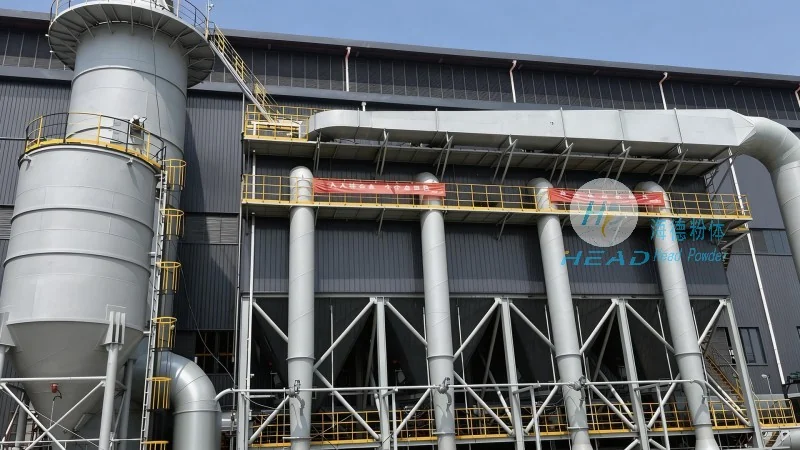
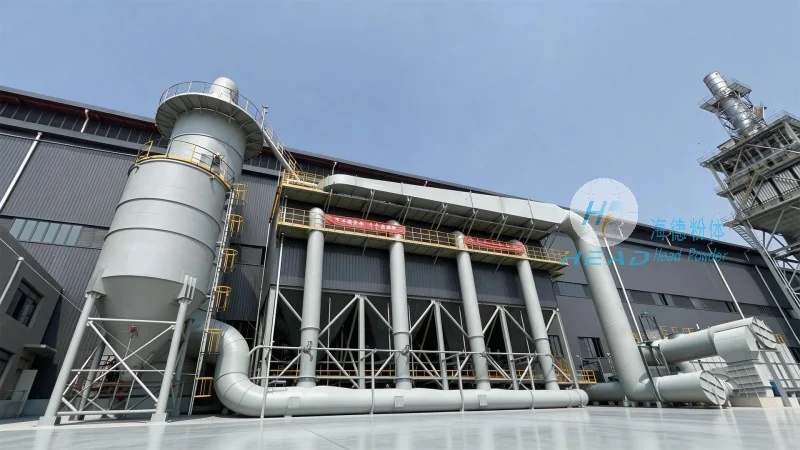
Bucket elevators are used for vertical or inclined transport of PVB materials. These systems consist of a series of buckets attached to a chain or belt that moves vertically. The buckets scoop up PVB from a lower level and discharge it at a higher level. Bucket elevators are ideal for transporting PVB in vertical or steeply inclined directions, which is common in processing plants where space is limited. The design of the elevator, including the bucket size and spacing, is tailored to the specific PVB characteristics to ensure efficient transport. Bucket elevators are capable of handling large volumes of PVB and are often used in combination with other conveyance systems to form a complete material handling solution. This method is particularly effective for applications where vertical transport is necessary, such as in storage and processing facilities.
5. Vibrating Conveyors
Vibrating conveyors use vibration to move PVB materials along a trough. The system consists of a conveyor bed that is vibrated at a specific frequency and amplitude, causing the PVB to move forward. Vibrating conveyors are suitable for handling PVB with a wide range of particle sizes and moisture content. The vibration frequency can be adjusted to optimize material flow and prevent material buildup. This method is particularly effective for transporting PVB in horizontal or slightly inclined directions and is often used in applications where gentle handling is required. Vibrating conveyors are also useful for cleaning and drying PVB, as the vibration can help remove moisture and contaminants. The design of the conveyor, including the vibration mechanism and trough material, can be customized to suit different PVB applications, ensuring optimal performance and material integrity.

 Công ty TNHH Kỹ thuật Công trình Bột Hải Đức Sơn Đông
 156-6277-7102(Quản lý Trương)
  0531-83386006
  Quận Chương Khâu, Thành phố Tế Nam, Tỉnh Sơn Đông, Trung Quốc
Điện thoại
WeChatTư vấn
Lên đầu