Công ty Hải Đức Bột với hơn 10 năm kinh nghiệm vận chuyển khí, cung cấp hệ thống‑thiết bị‑quạt gió và nhận dự án tổng thầu bột cả nước
When it comes to the efficient and reliable transportation of plaster powder, selecting the right conveyance method is crucial for ensuring smooth operations in construction and related industries. Plaster powder, a key material in interior and exterior wall finishing, requires specialized handling to maintain its quality and prevent issues like caking or degradation during transport. This article explores the common methods used for plaster powder conveyance, highlighting the advantages and practical applications of each approach.
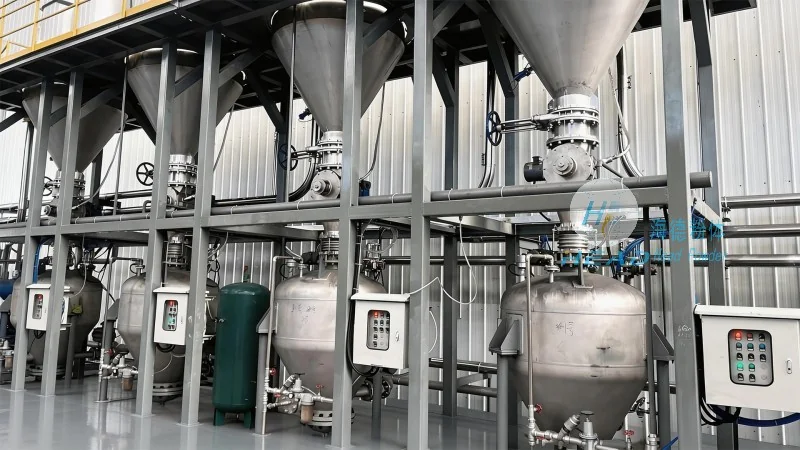
Pneumatic Conveying Systems
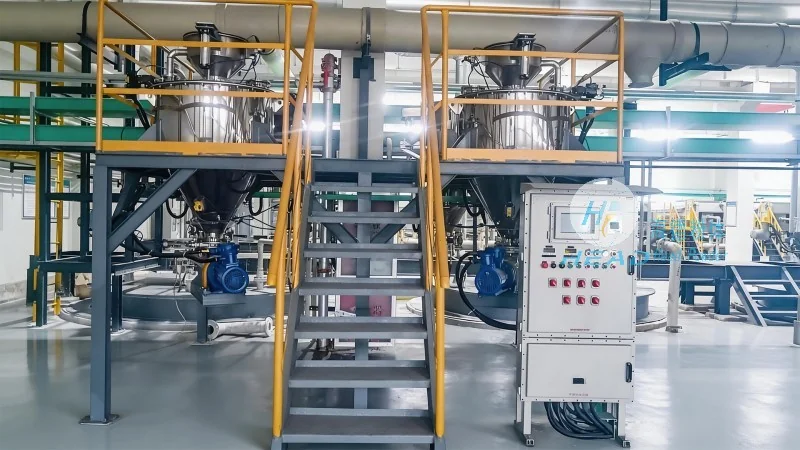
Pneumatic conveying is a widely adopted method for transporting plaster powder due to its ability to handle fine powders over moderate distances. This system utilizes air pressure to move the powder through a network of pipes. There are two main types: pressure and vacuum systems. Pressure systems use compressed air to push the powder, while vacuum systems draw the powder using a vacuum pump. The choice between them depends on the distance, material properties, and specific operational needs. For instance, in a manufacturing plant where plaster powder is produced and needs to be moved to storage or packaging areas, a pressure system might be more suitable due to its higher efficiency over longer distances. The key advantage of pneumatic conveying is its ability to handle fine powders without the need for mechanical components that could cause contamination or wear. However, it requires a consistent air supply and proper maintenance to ensure optimal performance. The company, Shandong HeadPowder Engineering Co., Ltd., known as HeadPowder, has extensive experience in designing and implementing pneumatic conveying solutions tailored to the unique requirements of plaster powder. Their expertise ensures that the systems are efficient, reliable, and maintain the quality of the plaster powder throughout the conveyance process.
Screw Conveyors
Screw conveyors, also known as auger conveyors, are another common method for transporting plaster powder. These systems use a rotating screw or auger to move the material along a trough or pipe. Screw conveyors are particularly effective for handling bulk materials and can be used for both horizontal and inclined transport. The design of the screw, including its pitch and diameter, is critical in determining the conveying capacity and the pressure exerted on the powder. For plaster powder, a slow-speed screw with a moderate pitch is often recommended to prevent excessive friction and heat generation, which could affect the powder's quality. Screw conveyors are known for their simplicity and low maintenance requirements. They are suitable for short to medium distances and can be integrated into existing production lines without significant modifications. HeadPowder, with its base in Shandong, China, offers screw conveyor solutions that are customized to meet the specific needs of clients, ensuring that the conveyance process is efficient and cost-effective.
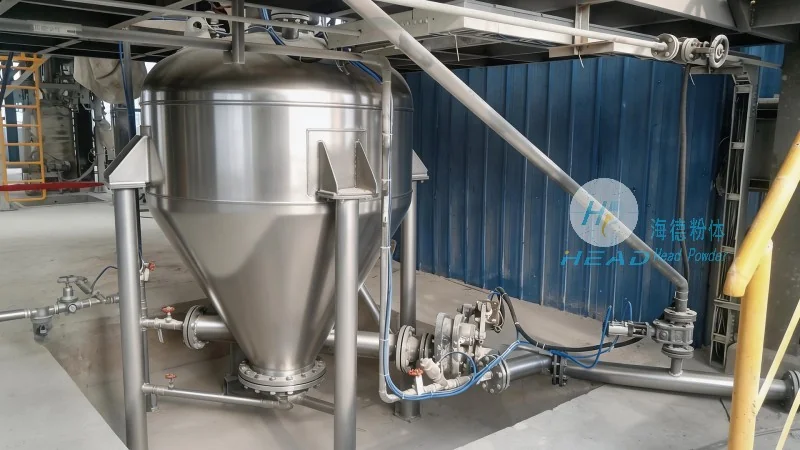
Belt Conveyors
Belt conveyors are widely used in various industries for transporting bulk materials, including plaster powder. These systems consist of a continuous belt that moves over rollers or pulleys, carrying the material from one point to another. Belt conveyors are particularly effective for long-distance transport and can handle large volumes of plaster powder. The choice of belt material is important, as it needs to be resistant to the abrasive properties of plaster powder and any potential moisture. For example, a rubber or PVC-coated belt might be used to prevent wear and ensure the material remains intact. Belt conveyors are also suitable for inclined transport, allowing for vertical or steeply inclined movement of the powder. This makes them ideal for applications where the plaster powder needs to be moved from lower to higher levels in a facility. HeadPowder's expertise in conveyor systems includes the design and installation of belt conveyors that are tailored to the specific requirements of plaster powder handling. Their systems are designed to minimize material degradation and ensure consistent performance over time.
Bucket Elevators
Bucket elevators are a specialized type of conveyor system used for vertical transport of bulk materials, including plaster powder. These systems consist of a continuous belt or chain with attached buckets that move vertically, lifting the material from a lower to a higher level. Bucket elevators are highly efficient for vertical transport and can handle large volumes of plaster powder with minimal space requirements. The design of the buckets and the speed of the conveyor are critical factors in determining the capacity and performance of the system. For plaster powder, the buckets are typically made of durable materials like metal or high-density plastic to withstand the abrasive nature of the material. Bucket elevators are known for their high throughput and ability to handle materials with varying particle sizes. However, they require regular maintenance to ensure the buckets remain in good condition and the system operates smoothly. HeadPowder, with its facilities in Shandong, China, provides bucket elevator solutions that are designed to meet the specific needs of clients, ensuring reliable vertical transport of plaster powder.
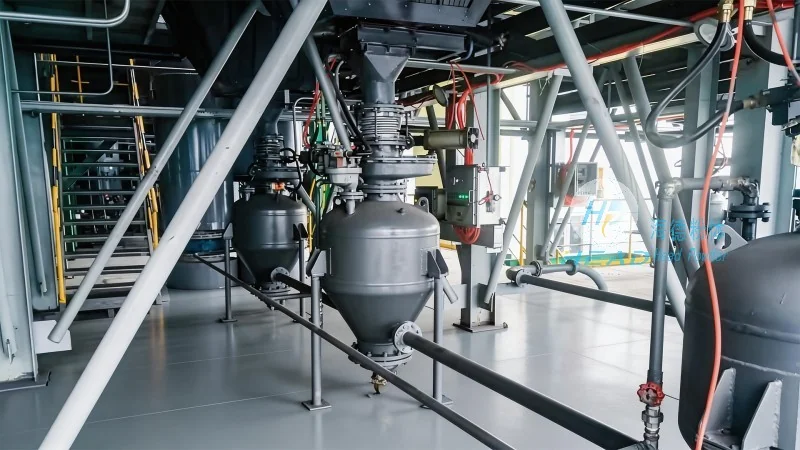
Hydraulic Conveying
Hydraulic conveying is a less common but effective method for transporting plaster powder, especially in applications where other systems are not suitable. This method uses a liquid medium, typically water or a specialized fluid, to transport the powder. The powder is mixed with the liquid to form a slurry, which is then pumped through a pipeline. The slurry is later separated, and the plaster powder is recovered. Hydraulic conveying is particularly useful for long-distance transport over rough terrain or when the powder needs to be moved through a complex network of pipes. However, it requires additional equipment for slurry separation and may not be suitable for all types of plaster powder, as some materials may not mix well with the liquid medium. HeadPowder's expertise in hydraulic systems allows them to design and implement solutions that are tailored to the specific characteristics of the plaster powder being transported. Their systems are designed to ensure efficient transport while minimizing the risk of material degradation or contamination.

 Công ty TNHH Kỹ thuật Công trình Bột Hải Đức Sơn Đông
 156-6277-7102(Quản lý Trương)
  0531-83386006
  Quận Chương Khâu, Thành phố Tế Nam, Tỉnh Sơn Đông, Trung Quốc
Điện thoại
WeChatTư vấn
Lên đầu