Công ty Hải Đức Bột với hơn 10 năm kinh nghiệm vận chuyển khí, cung cấp hệ thống‑thiết bị‑quạt gió và nhận dự án tổng thầu bột cả nước
When it comes to handling titanium dioxide powder, selecting the right conveying method is crucial for ensuring efficiency, safety, and product integrity. As a leading provider in the industry, Shandong HeadPowder Engineering Co., Ltd. specializes in solutions tailored to the unique challenges of titanium dioxide powder transportation. This article explores the common methods used for conveying titanium dioxide powder, highlighting their advantages and typical applications.
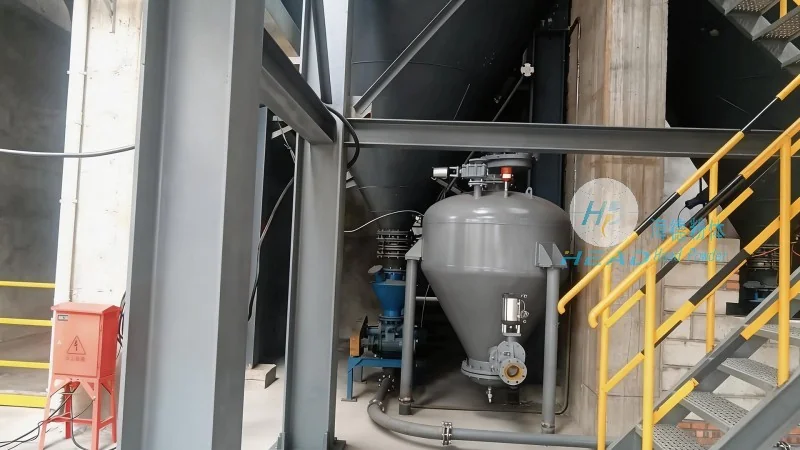
1. Screw Conveyors for Titanium Dioxide Powder
Screw conveyors, also known as auger conveyors, are a popular choice for titanium dioxide powder due to their ability to handle fine powders without the need for additional components like buckets or belts. These systems consist of a rotating helical screw inside a trough, which moves the powder forward through the conveyor. The design allows for a continuous, enclosed transport process, minimizing dust exposure and ensuring a clean transfer. Screw conveyors are particularly effective for horizontal or slightly inclined applications, making them suitable for feeding and discharging operations in processing plants. They are also easy to install and maintain, which contributes to their widespread use in the industry.
2. Pneumatic Conveying Systems
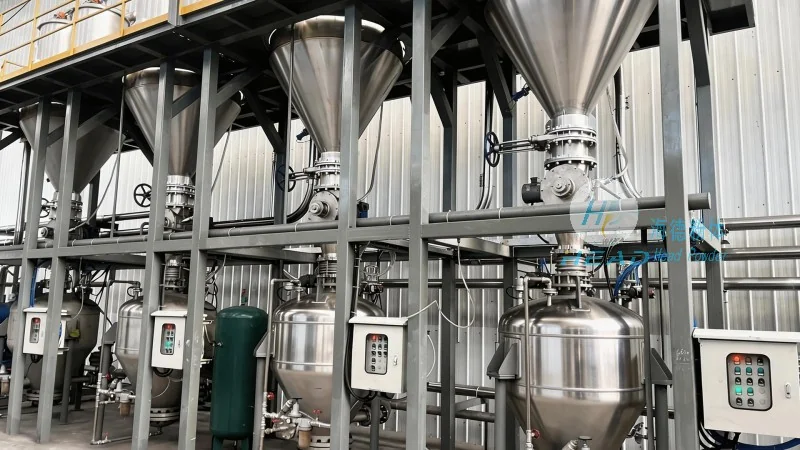
Pneumatic conveying, or air-powered transport, is another common method for handling titanium dioxide powder. This technique uses compressed air to move the powder through a pipeline. There are two main types: pressure and vacuum systems. Pressure systems push the powder with high-pressure air, while vacuum systems draw the powder into the line using a vacuum. Pneumatic conveying offers several benefits, including the ability to transport materials over longer distances and through multiple points of discharge. It also provides a closed system that prevents dust contamination and protects the powder from environmental factors. However, the choice between pressure and vacuum depends on the specific application and the characteristics of the titanium dioxide powder, such as its density and flowability.
3. Belt Conveyors
Belt conveyors are widely used in the titanium dioxide industry for bulk material handling, including powder. These systems consist of a continuous belt that moves over rollers or pulleys, transporting the powder from one location to another. Belt conveyors are particularly effective for horizontal or gently sloped applications and can handle large volumes of material. They are also relatively simple to operate and maintain, making them a cost-effective solution for many processing facilities. However, belt conveyors may not be suitable for very fine or cohesive powders, as they can lead to material buildup or slip on the belt. In such cases, additional measures like belt cleaners or anti-slip coatings may be required to ensure efficient operation.
4. Bucket Elevators
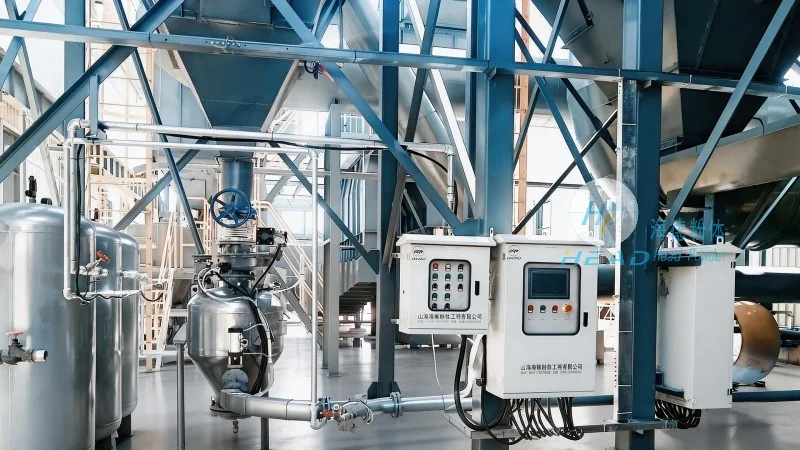
Bucket elevators are vertical or inclined conveyors that use buckets attached to a chain or belt to lift and transport titanium dioxide powder. These systems are ideal for moving materials vertically or over significant vertical distances, such as from a storage silo to a processing unit. Bucket elevators are capable of handling a wide range of powder types, including those with varying moisture content or flowability. They are also enclosed, which helps to contain dust and prevent product contamination. However, bucket elevators require more maintenance than some other systems, as the buckets and chains are subject to wear and tear. Regular inspection and replacement of components are necessary to ensure reliable operation.
5. Vibrating Conveyors
Vibrating conveyors use vibration to move titanium dioxide powder along a trough. The conveyor is typically a flat or slightly inclined surface that vibrates at a specific frequency and amplitude, causing the powder to move forward. This method is effective for handling powders that are difficult to convey using traditional methods, such as those with poor flowability or high moisture content. Vibrating conveyors are also suitable for applications where gentle handling is required, as the vibration minimizes product degradation. They are commonly used in processing plants for feeding and discharging operations, as well as for blending and mixing applications. However, the design of the vibrating system must be carefully considered to ensure optimal performance and to prevent excessive wear on the conveyor components.
6. Hydraulic Conveying
Hydraulic conveying systems use water or other liquids to transport titanium dioxide powder. The powder is mixed with the liquid to form a slurry, which is then pumped through a pipeline to the destination. This method is particularly effective for long-distance transport and for handling materials that are difficult to convey using other methods. Hydraulic conveying can handle large volumes of material and is suitable for applications where dust control is a priority. However, the system requires additional equipment for slurry preparation and separation, which increases the overall cost and complexity. It is also important to consider the environmental impact of the liquid used in the system, as it may need to be treated before disposal.

 Công ty TNHH Kỹ thuật Công trình Bột Hải Đức Sơn Đông
 156-6277-7102(Quản lý Trương)
  0531-83386006
  Quận Chương Khâu, Thành phố Tế Nam, Tỉnh Sơn Đông, Trung Quốc
Điện thoại
WeChatTư vấn
Lên đầu